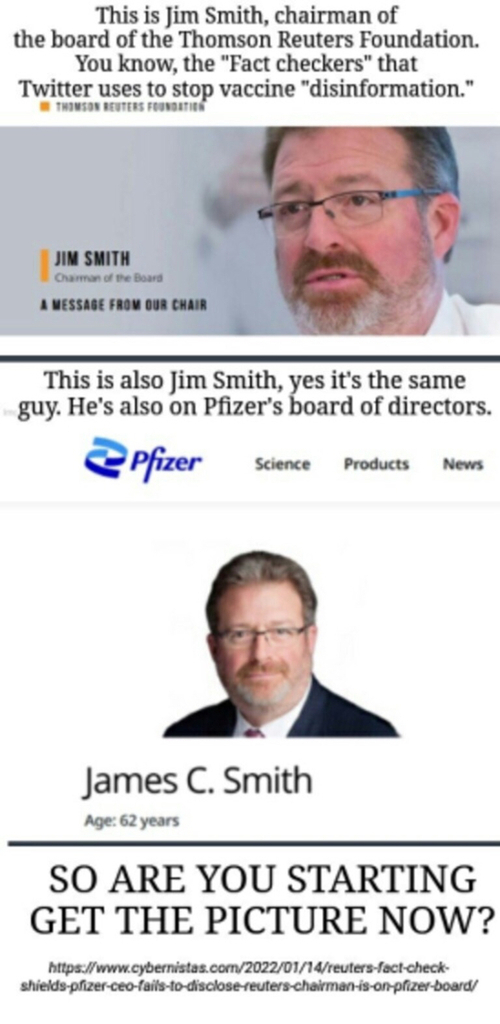
Fact checking…

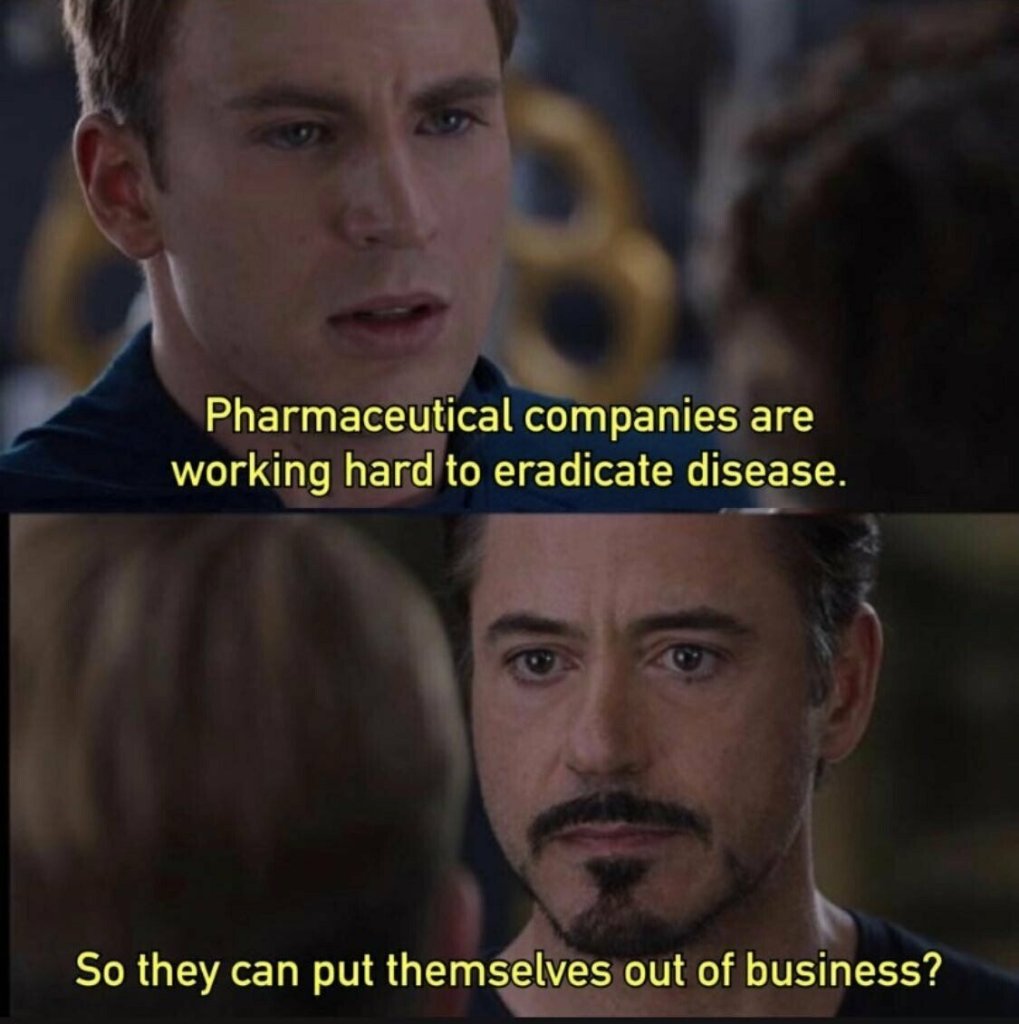
A University of Washington language guide is calling everyday words used by Americans “problematic.”
The University of Washington Information Technology department released an “inclusive language guide” that lists a number of “problematic words” that are “racist,” “sexist,” “ageist,” or “homophobic.”
According to the guide, words such as “grandfather,” “housekeeping,” “minority,” “ninja,” and “lame” are considered “problematic words.”
For example, the language guide states that the word “lame” is considered problematic because it’s “ableist.”
“This word is offensive, even when it’s used in slang for uncool because it’s using a disability in a negative way to imply that the opposite, which would be not lame, to be superior,” the guide states.
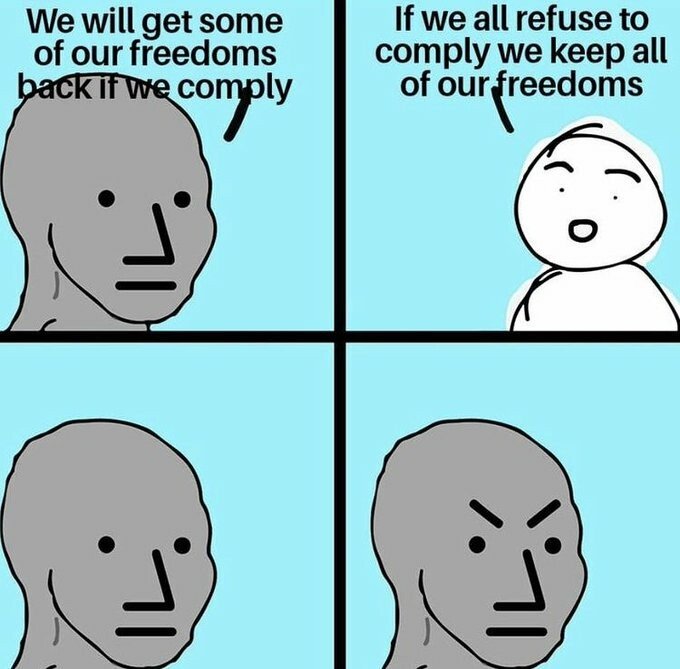
Major western news publications are running a story about a sinister plot by the Russian government, and — you may want to sit down for this — the sources of the report are anonymous, and the evidence for it is secret.
The New York Times reports that according to anonymous individuals within the US and British governments, Russia is currently plotting to topple the existing government of Ukraine in some way using some method and then somehow install a puppet regime that is sympathetic to Moscow using some sort of means. What specifically those means and methods might be are not revealed to us in this very serious news report.
“The communiqué provided few details about how Russia might go about imposing a new government on Ukraine, and did not say whether such plans were contingent on an invasion by Russian troops,” the Paper of Record informs us. “British officials familiar with the situation, who spoke on condition of anonymity, said the intent was both to head off the activation of such plans as well as to put Mr. Putin on notice that this plot had been exposed.”
Now if you are hoping to be provided with some sort of evidence for these incendiary claims, I’m afraid I’m going to have to disappoint you, because get this: the journalists reporting on this story have not seen any evidence. Apparently they’re just passing on unverified government assertions made by unknown spies to their readers because they were told to, which I guess is something journalists can do now?
I know, I know, I was a little surprised when I learned that too. But here it is, straight from the horse’s mouth:
“The British communiqué provided no evidence to back up its assertion that Russia was plotting to overthrow the Ukrainian government,” the Times reports.
You will be reassured however to learn that despite the actual evidence of the actual Russian nefariousness being kept invisible to us, anonymous officials within the US government have reviewed the intelligence gathered by anonymous British spies for us and concluded on our behalf that the evidence is solid.
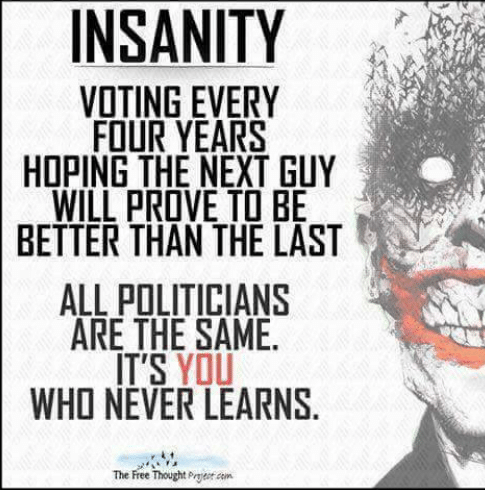
As one of the greatest works in Britain’s literary canon, Nineteen Eighty-Four sounds a chilling warning about the dangers of censorship.
Now staff at the University of Northampton have issued a trigger warning for George Orwell’s novel on the grounds that it contains ‘explicit material’ which some students may find ‘offensive and upsetting’.
The advice, revealed following a Freedom of Information request by The Mail on Sunday, has infuriated critics, who say it runs contrary to the themes in the book.
Published in 1949, Orwell’s dystopian story – set in a totalitarian state which persecutes individual thinking – gave the world phrases such as ‘Big Brother’, ‘Newspeak’ and ‘thought police’.
Its plot centres on Winston Smith, a government employee who is arrested and tortured over an illicit love affair, but it also makes powerful points about what can happen to a society that doesn’t cherish academic freedoms or its own history.
Yet it is one of several literary works which have been flagged up to students at Northampton who are studying a module called Identity Under Construction. They are warned that the module ‘addresses challenging issues related to violence, gender, sexuality, class, race, abuses, sexual abuse, political ideas and offensive language’.
In addition to Orwell’s book, academics identify several works in the module that have the potential to be ‘offensive and upsetting’ including the Samuel Beckett play Endgame, the graphic novel V For Vendetta by Alan Moore and David Lloyd and Jeanette Winterson’s Sexing The Cherry.
Throughout the long, documented history of the United States illegally overthrowing governments of foreign lands to build a global empire there has emerged three ways Washington broadly carries out “regime change.”
From Above. If the targeted leader has been democratically elected and enjoys popular support, the CIA has worked with elite groups, such as the military, to overthrow him (sometimes through assassination). Among several examples is the first CIA-backed coup d’état, on March 30, 1949, just 18 months after the agency’s founding, when Syrian Army Colonel Husni al-Za’im overthrew the elected president, Shukri al-Quwatli.
The CIA in 1954 toppled the elected President Jacobo Árbenz of Guatemala, who was replaced with a military dictator. In 1961, just three days before the inauguration of President John F. Kennedy, who favored his release, Congolese President Patrice Lumumba was assassinated with CIA assistance, bringing military strongman Mobutu Sese Seko to power. In 1973, the US backed Chilean General Augusto Pinochet to overthrow and kill the democratically-elected, socialist President Salvador Allende, setting up a military dictatorship, one of many U.S.-installed military dictatorships of that era in Latin America under Operation Condor.
From Below. If the targeted government faces genuine popular unrest, the U.S. will foment and organize it to topple the leader, elected or otherwise. 1958-59 anti-communist protests in Kerala, India, locally supported by the Congress Party and the Catholic Church, were funded by the CIA, leading to the removal of the elected communist government. The 1953 coup in Iran that overthrew the democratically-elected Prime Minister Mohammad Mosaddegh was a combination of bottom-up CIA (and MI-6)-backed street protests, and top-down conservative clergy and military to destroy democracy and return a monarch to the throne. The US-backed Ukrainian coup of 2014 is the latest example of the US working with genuine popular dissent to help organize and steer the overthrow, in this case, of an OSCE-certified elected president.
Through Military Intervention. If a coup is not feasible, the US turns to indirect or direct military intervention. One of earliest examples was the US expeditionary force that invaded Russia in 1918 during the civil war in an attempt to help overthrow the new Bolshevik government. More recently, in 1983 the U.S. military invaded Grenada to overthrow a Marxist president; in 1989 the U.S. invaded Panama to overthrow former CIA asset Manuela Noriega.
Another hybrid operation was the US bombing of Serbia in 1999 and the State Department funding of the opposition group Otpor!, which led to the ouster of Slobodan Milosevic. The most prominent recent examples of direct military invasion to overthrow governments are the U.S.-led invasions of Afghanistan in 2001 and Iraq in 2003. Indirect military intervention through proxies to overthrow governments happened in the 1980s Contra war against Nicaragua; and the 2011 to present jihadist war to overthrow the Syrian government.


You must be logged in to post a comment.