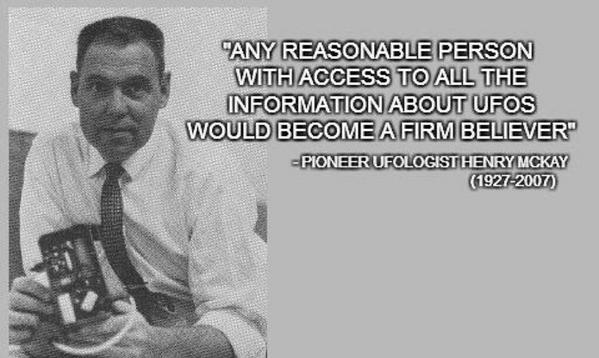
Henry McKay on UFOs…

In the wake of the Japanese attack on Pearl Harbor, “Wild Bill” Donovan, the leader of the Office of Strategic Services—America’s wartime intelligence agency—told his scientists to find a way to “outfox” the Axis enemies. In response, the scientists produced a number of dirty tricks, including explosive pancake mix, incendiary bombs strapped to live bats, truth drugs for eliciting information from prisoners of war, and a foul-smelling spray that mimicked the repulsive odor of fecal matter. In other words, desperate times called for desperate measures. Among these outlandish strategies, Operation Fantasia was the most desperate—and peculiar—of them all.
Operation Fantasia was the brainchild of OSS psychological warfare strategist Ed Salinger, an eccentric businessman who had run an import/export business in Tokyo before the war. Salinger’s business dealings had given him a cursory introduction to Japanese culture; he learned the language, collected the art and studied the superstitions—which is why the OSS hired him. Operation Fantasia, he pitched the organization in 1943, would destroy Japanese morale by exposing soldiers and civilians to a Shinto portent of doom: kitsune, fox-shaped spirits with magical abilities. “The foundation for the proposal,” Salinger wrote in a memo outlining his idea, “rests upon the fact that the modern Japanese is subject to superstitions, beliefs in evil spirits and unnatural manifestations which can be provoked and stimulated.”
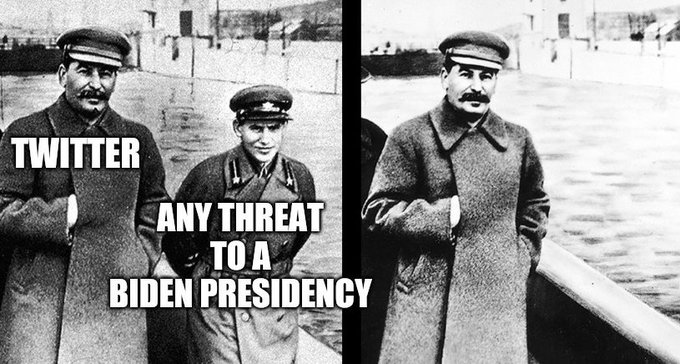
Even more astonishing still, Twitter locked the account of the New York Post, banning the paper from posting any content all day and, evidently, into Thursday morning. The last tweet from the paper was posted at roughly 2:00 p.m. ET on Wednesday.
And then, on Thursday morning, the Post published a follow up article using the same archive of materials, this one purporting to detail efforts by the Vice President’s son to pursue lucrative deals with a Chinese energy company by using his father’s name. Twitter is now also banning the sharing or posting of links to that article as well.
In sum, the two Silicon Valley giants, with little explanation, united to prevent the sharing and dissemination of this article. As Los Angeles Times reporter Matt Pearce put it, “Facebook limiting distribution is a bit like if a company that owned newspaper delivery trucks decided not to drive because it didn’t like a story. Does a truck company edit the newspaper? It does now, apparently.”
“Who does not understand should either learn, or be silent.”
John Dee

 Hellbound and Down
You must be logged in to post a comment.