
Sad but true…

The bastion of “democracy” is seemingly at it again, as The Gateway Pundit reported that Ukrainian President Volodymyr Zelensky has now officially signed into law the banning of political opposition parties in the country. Furthermore, the law signed by the Ukrainian president also secures a pathway to seize the property of those political parties outlawed.
Back on March 26th while in Poland, President Joe Biden delivered remarks that have been echoed by numerous politicians since the onset of the conflict between Russia and Ukraine, saying, “In the perennial struggle for democracy and freedom, Ukraine and its people are on the frontlines fighting to save their nation.”
But when one thinks of the concept and tenets of democracy, the notion of banning political parties that challenge one currently in power likely wouldn’t be among any of the things to crop up in one’s mind. Yet, Ukrainian President Zelensky has done exactly that and then some.
While the term “fascism” is one in recent years that has been ostensibly overused and inappropriately applied amidst modern political discourse, the move by President Zelensky quite literally resembles one of the core elements of fascism by way of the “forcible suppression of opposition.”
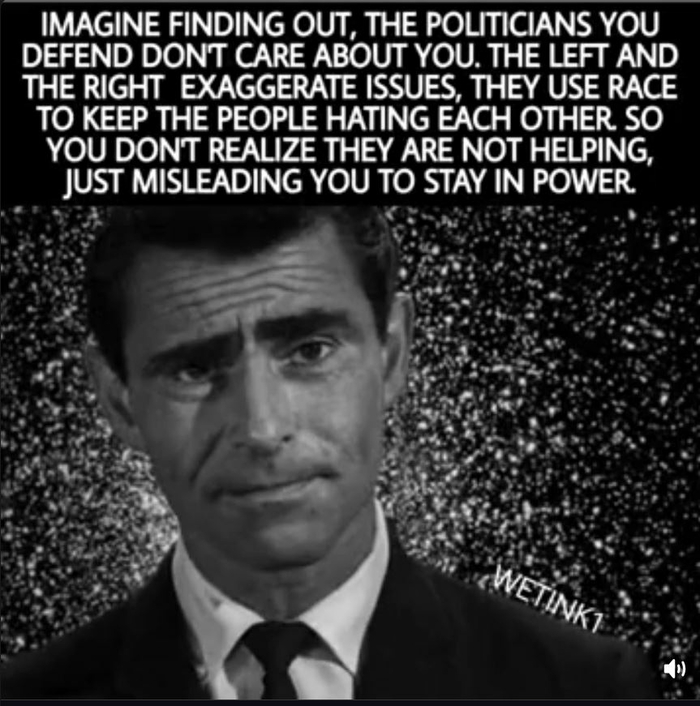
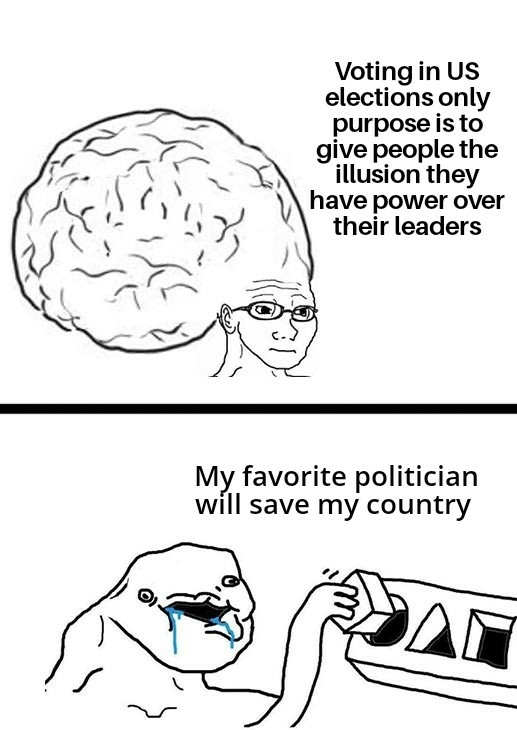

When I was a political reporter in Washington, I used to loathe the White House Correspondents Dinner. I hated how it portrayed Beltway journalism as a game. How it reduced the project of government accountability to performative antagonism practiced daily by reporters in White House press briefings — a performance exposed annually at a dinner where the most powerful people in the world would rub elbows and yuck it up about funny “inside jokes” like George W. Bush’s bungling of the Iraq War and the media’s culpability in helping him do it.
Maybe because I was a reporter at the time, I always considered the dinner’s rottenness from the perspective of the relationship between the media and politicians, lamenting that images from the Washington Hilton of the press mingling with administration officials in black tie undercut the public’s faith in an independent media.
But the further away I’ve gotten from the experience — and the faster our republic has tumbled toward oblivion — the more I’ve considered how the dinner contributed in other, significant ways to the brokenness of our current political moment: The dinner highlights the laughable disconnect between the people in Washington with the power to do something (the dinner attendees) and the rest of us mere mortals (people largely not watching the dinner at home on C-SPAN).
The presidency of Barack Obama transformed the Democratic Party in ways many pundits already have explored ad nauseum, from a revolution in data analytics to Obama’s creation of an entire political infrastructure outside of the Democratic National Committee. Yet, the White House Correspondents Dinner, now that it’s back from its hiatus in the two years we acknowledged the ongoing pandemic as real, is also a reminder of perhaps Obama’s worst contribution to modern politics: the marriage between actual Hollywood and the “Hollywood for ugly people” known as Washington.


 Hellbound and Down
You must be logged in to post a comment.