
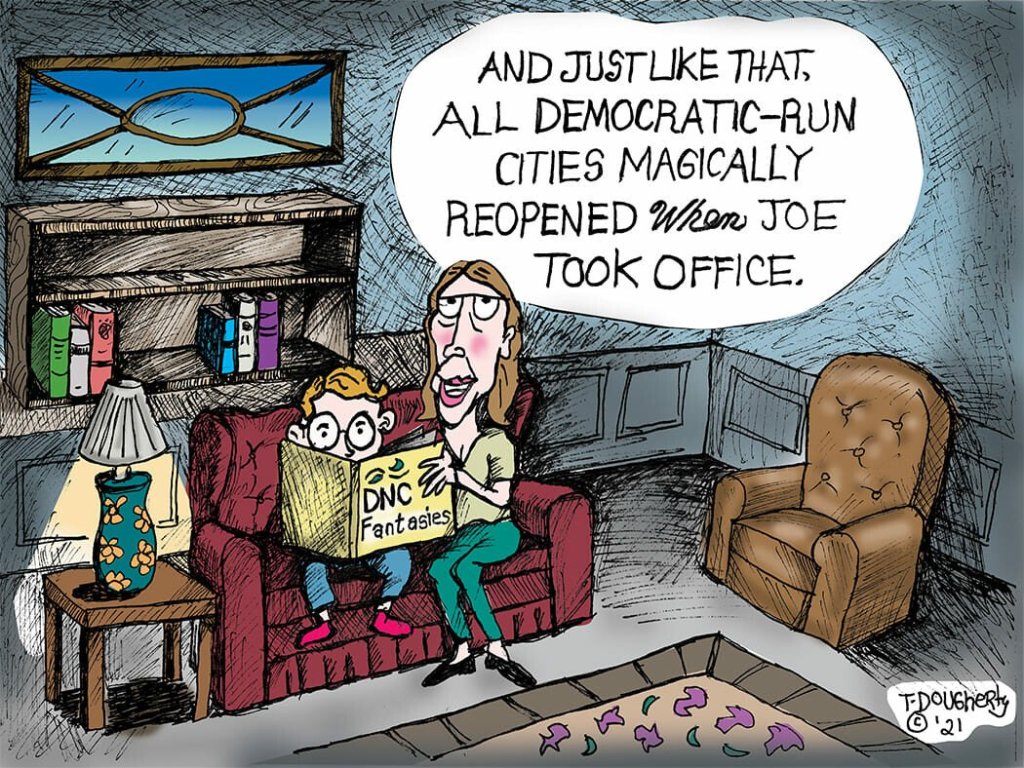
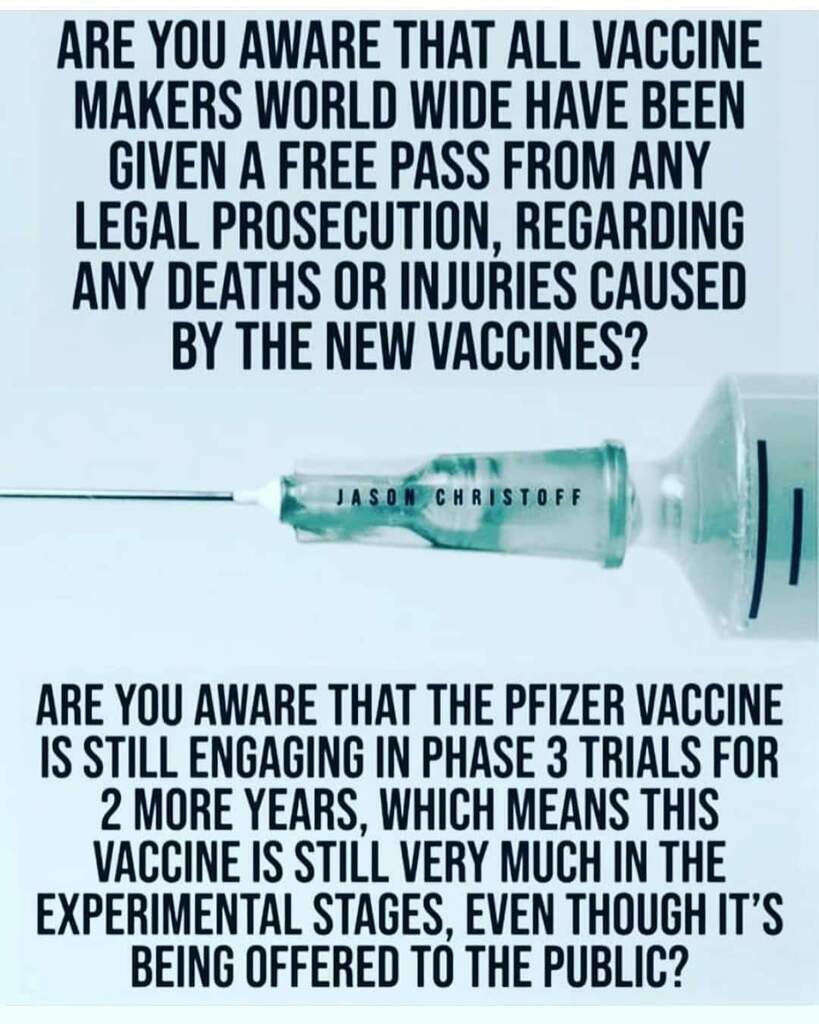
Fun facts…


The high court issued orders late Friday in two cases where churches had sued over coronavirus-related restrictions in the state. The high court said that for now, California can’t ban indoor worship as it had in almost all of the state because virus cases are high.
The justices said the state can cap indoor services at 25% of a building’s capacity. The justices also declined to stop California from enforcing a ban put in place last summer on indoor singing and chanting. California had put the restrictions in place because the virus is more easily transmitted indoors and singing releases tiny droplets that can carry the disease.
For over a decade, the retail industry has battled so-called “scalper bots,” programmed to cut digital lines and snap up limited-supply products within milliseconds of their release, that are resold at significant mark-ups.
The coronavirus pandemic exacerbated the problem because the boom in online shopping expanded scalpers’ sights to new categories from fitness equipment to essential goods like toilet paper and detergents. In Britain, scalpers using bots have also snatched online grocery delivery slots reserved for at-risk senior citizens.
The Joe Biden administration said this week that it will soon start distributing about 1 million doses per week directly to about 6,500 pharmacies in the first phase of a federal program that aims to expand access to vaccines.
Security companies that track this activity now warn that U.S. retailers and pharmacies enlisted to play a big role in COVID-19 vaccine dissemination could be the next target of bot attacks as they begin distributing as early as Feb. 11.
These fears stem from problems retailers have faced this past holiday shopping season, when the latest PlayStation and Microsoft Xbox consoles were nearly impossible to find because scalpers attacked major retailers.

“Unfortunately there is a tremendous amount of noise and harmful misinformation about [the pandemic] on the Internet,” Trudeau said. “I had to explain that as we consume increasing amounts and various sources of information on line and around us, we need to continue to be attentive to source, we need to continue to be attentive to comparing various reports and looking for trusted sources.”
“The answer is no, we’re not building containment or internment camps,” the Health Minister spokesperson said in a statement.
That was in October and, over the months, the government has moved the goal post on how travelers are treated. Now, even travelers with negative tests will be forced to quarantine at their home under government surveillance. While this is only for those engaging in international travel, as we’ve seen, the goal post moves.
“Those with negative test results will then be able to quarantine at home under significantly increased surveillance and enforcement,” Trudeau said in a press conference last week. In regards to the “increased surveillance,” this will include home visits from private covid security personnel.
“There will be increased security contractors that will do more, I would say, ‘door knocking’, to check on people who are in quarantine,” said Dr. Theresa Tam, Canada’s chief public health officer, on Friday, adding that the contractors would start in 35 Canadian cities and would expand farther in the coming weeks.
But it gets worse for those who test positive. Remember, three months ago, a positive test would mean a “voluntary” quarantine at a government facility. “Mandatory” confinement was a “conspiracy theory.” But it is not anymore.
“Those with positive tests will be immediately required to quarantine in designated government facilities to make sure they’re not carrying variants of potential concern,” Trudeau said of the new measures.
“Immediately required” does not mean “voluntarily.” It means that citizens will be forced into these facilities. Calling them “mandatory government facilities” instead of “internment camps” is a matter of semantics. Internment is defined as the state of being confined as a prisoner, especially for political or military reasons. Does that not sound like what Trudeau said in the statement above? See the shift in policy happen in the video below.
Indeed, according to the government’s own website, violators will be imprisoned.
Violating any instructions provided to you when you entered Canada is an offence under the Quarantine Act and could lead to up to:
If you break your mandatory quarantine or isolation requirements and you cause the death or serious bodily harm to another person, you could face:
The Contraventions Act provides police (including RCMP, provincial and local police) more power to enforce the Contraventions Act. They can now issue tickets to people who do not comply with the Act. Fines range from $275 to $1000.
After it apparently became too difficult to send a $2,000 check or cash deposit to every American, the Biden administration is now working on the “logistics” of sending a free face mask to every American instead.
NBC News reported that, “The Biden White House is considering sending masks directly to American households, according to three people familiar with the discussions, an action the Trump administration explored but scrapped.”
Indeed, “The Covid-19 Response Team is evaluating the logistics of mailing out millions of face coverings,” and the move comes “as Biden continues to urge Americans to use masks as a primary defense against the spread of the coronavirus.”
Biden, of course, made it a federal crime not to wear a face mask while on federal property during his first hours in the Oval Office. Biden then proceeded to break his own executive order law when he and his entire family refused to wear face masks during parts of the inauguration events. NBC News conveniently leaves this out of their article.
Researchers in Austria’s Klagenfurt Clinic are reporting promising results from CBD trials on Covid-19 ICU patients that show reduced inflammation and quicker recovery times.
Cannabidiol or CBD oil was used as part of the overall course of treatment for Covid-19 patients in the hospital’s ICU over the course of three weeks.
Rudolf Likar, head of intensive care medicine at the clinic, started by administering a dose of 200 milligrams of CBD per day which later increased to 300 milligrams.
“We have seen that the inflammation parameters in the blood go down and people leave the hospital faster than the comparison group,” Likar said. “CBD supports the immune system.”
 Hellbound and Down
You must be logged in to post a comment.