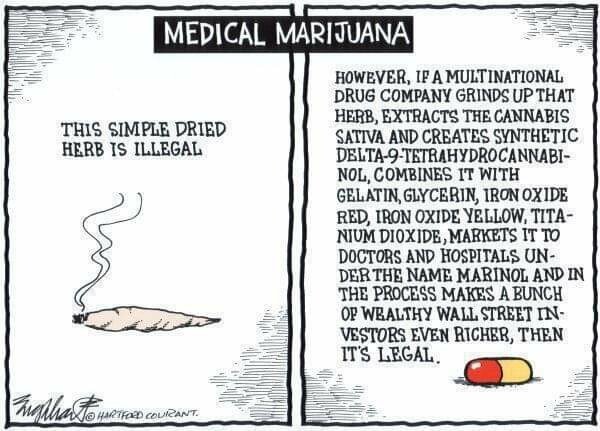
Makes sense…

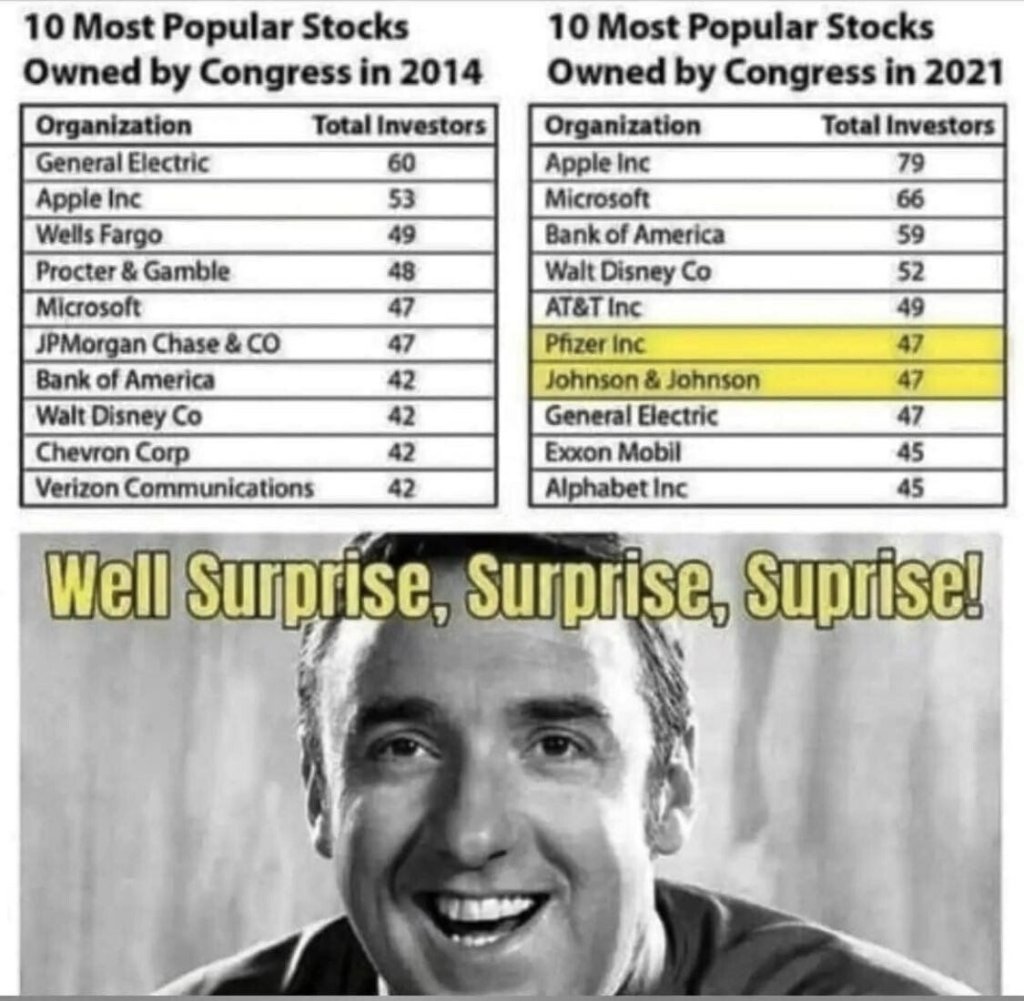

Pfizer, BioNTech and Moderna are making combined profits of $65,000 every minute from their highly successful COVID-19 vaccines while the world’s poorest countries remain largely unvaccinated, according to a new analysis.
The companies have sold the vast majority of their doses to rich countries, leaving low-income nations in the lurch, said the People’s Vaccine Alliance (PVA), a coalition campaigning for wider access to COVID vaccines, which based its calculations on the firms’ own earning reports.
The Alliance estimates that the trio will make pre-tax profits of $34 billion this year between them, which works out to over $1,000 a second, $65,000 a minute or $93.5 million a day.
“It is obscene that just a few companies are making millions of dollars in profit every single hour, while just two percent of people in low-income countries have been fully vaccinated against coronavirus,” Maaza Seyoum of the African Alliance and People’s Vaccine Alliance Africa said.
LinkedIn has decided that a video about the efficacy of Covid vaccines, originally posted on YouTube and featuring Dr. Aseem Malhotra was violating its “professional community policies.”
Interviewer Maajid Nawaz posted a screenshot of the message he received from LinkedIn on Facebook, informing him of the removal and that only he can now see the post.
No other details for the censorship were given, other than a link presumably leading to LinkedIn’s policy page which requires users to be “safe, civil and respectful,” trustworthy by using their real identity and sharing “real and authentic” information, as well as make sure the content users posts is professionally relevant.
The video, which is still available on YouTube as of this writing, features Dr. Malhotra interviewed on the LBC talk radio station, posted under the headline, “Pfizer data scandal.”
Dr. Malhotra’s conversation with LBC’s Maajid Nawaz shown in the video focused on vaccine mandates, which he believes to be unethical, and the cardiologist’s belief that the healthcare crisis is the result of what he called “the corporate capture of public health.”

Leading medical journal The BMJ has published an incendiary report exposing faked data, blind trial failures, poorly trained vaccinators, and a slow follow-up on adverse reactions in the phase-three trial of Pfizer’s Covid jab.
Central to the exposé is Brook Jackson, who, for two weeks, served as regional director at Ventavia Research Group, the company contracted to assist with the pivotal trial. She provided The BMJ with dozens of internal company documents, photos, audio recordings, and emails supporting her concerns.
Jackson reveals that Ventavia staff who conducted quality-control checks were overwhelmed by the volume of problems they were identifying. She repeatedly informed her superiors of poor laboratory management, and patient safety and data integrity issues.
In a cited internal document from August 2020, shortly after the Pfizer trial began, a Ventavia executive identified three site staff members with whom to “go over e-diary issue/falsifying data, etc.” One employee was said to have been subsequently “verbally counseled for changing data” and “not noting late entry.”
Jackson reported her concerns to the US Food and Drug Administration (FDA), but was fired later the same day on the basis that she was “not a good fit.”
Cynics will say that nothing says “trusted neighborhood doctor” quite like a company that is a cross between Big Pharma and Big Tech – but apparently Anne Wojcicki’s 23andMe wants to be perceived as having the characteristics of all three.
The company, best known for harvesting genetic data from millions of Americans via spit tests that produced questionably useful information to the customers, recently went public, and now the serious side of its business is emerging – using all that data to develop new drugs and usher in the era of a new kind of Big Pharma that relies on Big Tech strategies of collecting data and monetizing it.
It hasn’t exactly been a secret that this was the plan all along, as a report in Bloomberg now shows, citing Wojcicki’s early pitch to investors. This is not unlike what Wojcicki’s former husband, Sergey Brin, did with Google: it started out as a search engine, that once it had enough personal data harvested from users, became a massive advertising company.
Dr. Wilbur H. Chen has a problem. On one hand, he is on the Advisory Committee on Immunization Practices which is responsible for approving vaccines on behalf of the CDC. On the other hand, he has a thriving medical business that requires funds to operate properly. This may not seem to be a problem until we realize that $437,250 of the funds paid to him last year were from companies that manufacture vaccines.
If they’re going to get their vaccines approved, they’ll have to go through Dr. Chen and his advisory committee. In the good ol’ days, we would call this a conflict of interest.
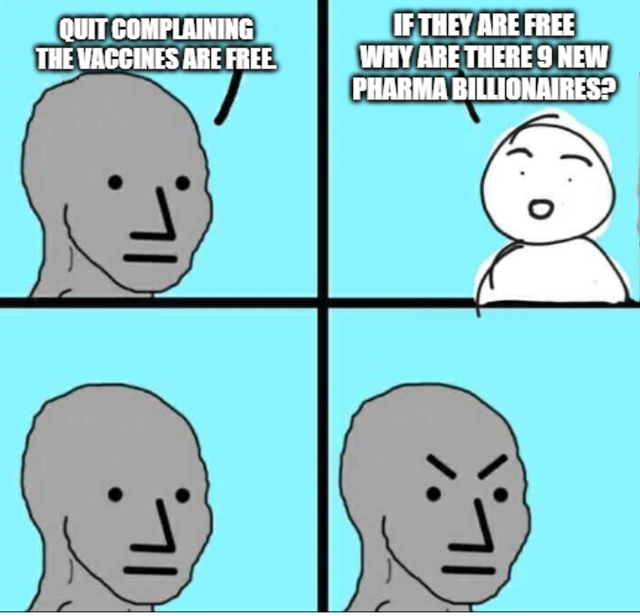
 Hellbound and Down
You must be logged in to post a comment.