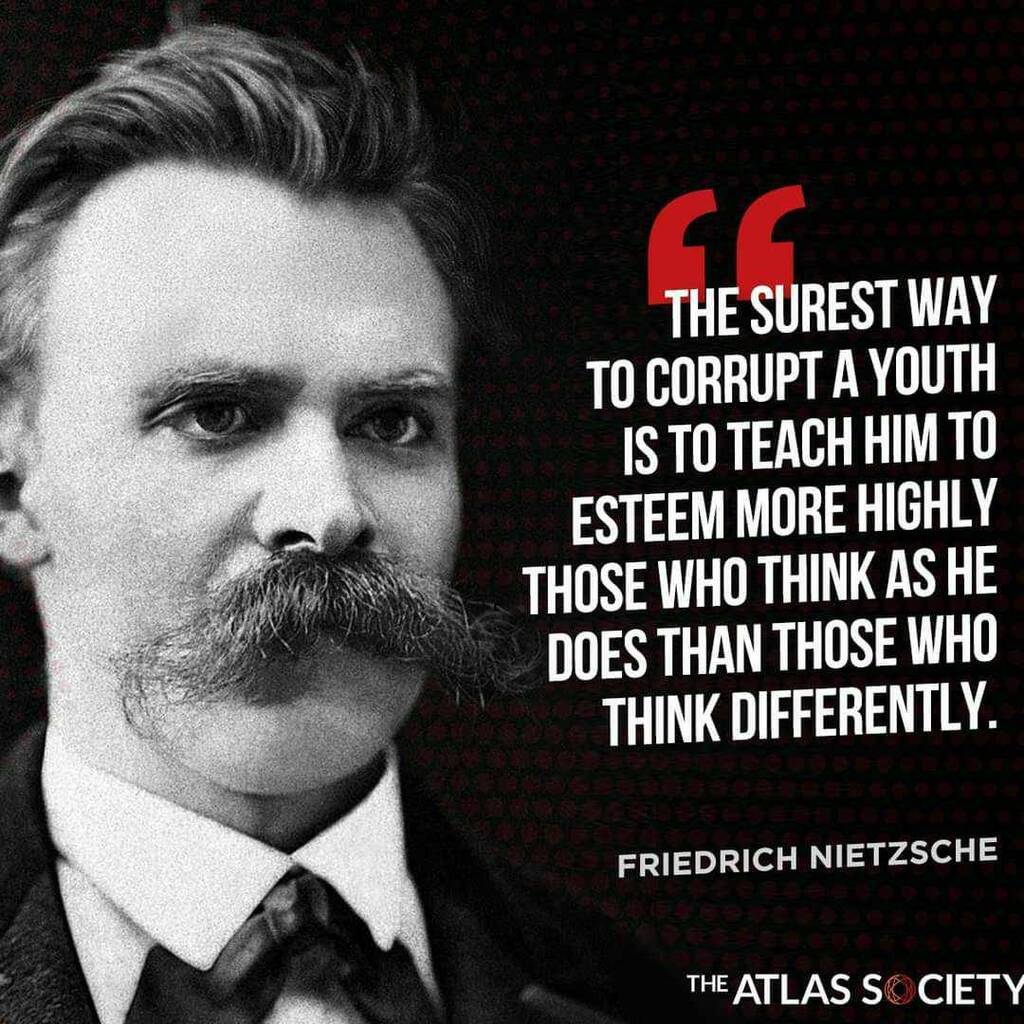
Friedrich Nietszche on corruption…

In the U.S., vaccines granted Emergency Use Authorization by the FDA, as is the case with the Pfizer and Moderna COVID vaccines, are considered experimental. Administrators of emergency use vaccines are required by law to inform vaccine recipients of the potential risks.
With the mass vaccination program now in full swing, we are hearing of more and more reports suggesting this fundamental right and legal requirement is not being respected. The vast majority of people are simply not being given the opportunity to exercise this right that is a foundational principle of medical ethics and central to the concept of patient autonomy. Most people likely don’t even know what information they should be able to receive prior to vaccination.
Check out our video below (under 8 minutes in length), presented by Rob Verkerk Ph.D., including inputs from dentist, Dr. Zac Cox, from the World Doctors Alliance and integrative doctor, Dr. Anna Forbes, founder and director of the UK Medical Freedom Alliance.
You don’t need to sign something to give consent — baring your arm is sufficient.


What not to NOT love about Artificial Intelligence (AI)?
One documentary reveals more unscrupulous details:
CODED BIAS explores the fallout of MIT Media Lab researcher Joy Buolamwini’s discovery that facial recognition does not see dark-skinned faces accurately, and her journey to push for the first-ever legislation in the U.S. to govern against bias in the algorithms that impact us all.
Modern society sits at the intersection of two crucial questions: What does it mean when artificial intelligence increasingly governs our liberties? And what are the consequences for the people AI is biased against? When MIT Media Lab researcher Joy Buolamwini discovers that most facial-recognition software does not accurately identify darker-skinned faces and the faces of women, she delves into an investigation of widespread bias in algorithms. As it turns out, artificial intelligence is not neutral, and women are leading the charge to ensure our civil rights are protected.


You must be logged in to post a comment.