Language Police: USC Removes ‘Field’ from ‘Field Work’ Because It May Be ‘Anti-Black or Anti-Immigrant’

USC’s School of Social Work is removing the word “field” from its curriculum and practice, arguing that it “could be considered anti-black or anti-immigrant” to say someone is “going into the field” or conducting “field work.” The university explains, “our goal is not just to change language but to honor and acknowledge inclusion and reject white supremacy, anti-immigrant and anti-blackness ideologies.”

“We have decided to remove the term ‘field’ from our curriculum and practice and replace it with ‘practicum.’ This change supports anti-racist social work practice by replacing language that could be considered anti-black or anti-immigrant in favor of inclusive language,” a letter from the Practicum Education Department read.

The letter was shared by Houman David Hemmati, a board-certified MD Ophthalmologist and Ph.D. research scientist, who said the USC Suzanne Dworak-Peck School of Social Work “will no longer use the word ‘field’ (as in ‘conducting field work’) because it’s perceived as racist.”
Keep reading

Enigmatic ‘writing system’ in ice age cave art deciphered

Hunter-gatherers who painted on cave walls 20,000 years ago also left behind something quite unexpected.For years, archaeologists have worked to understand the hidden meanings in the thousands of examples of prehistoric art found on cave walls across Europe.

These artistic works often featured animals such as bison, fish, reindeer and (the now extinct) aurochs, but some of them also included a sequence of dots and marks that seemed to be some form of writing system – one which experts had long struggled to fully interpret.

Now, though, a new collaboration between researcher Ben Bacon and experts from Durham University and University College London has finally lifted the lid on exactly what these symbols meant.

It turns out that the marks were actually part of an ancient writing system – a lunar calendar which was used to document the timing of the reproductive cycles of the animals.This type of information would have been highly relevant to the hunter-gatherers of the time.

“The results show that ice age hunter-gatherers were the first to use a systemic calendar and marks to record information about major ecological events within that calendar,” said archaeologist Prof Paul Pettitt of Durham University.

Keep reading

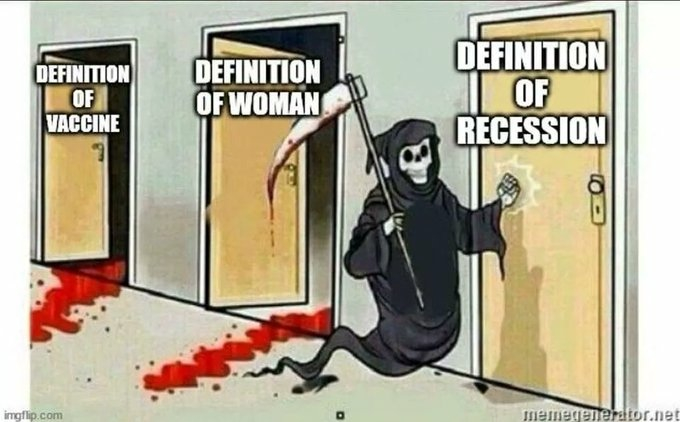
Cambridge Dictionary Changes Woman Definition to Push Transgenderism

The Cambridge Dictionary appears to have followed Merriam-Webster down the rabbit hole into woke oblivion by changing the definition of “Woman” to appease transgender radicals.

Though it remains inconclusive as to when the Cambridge Dictionary made the switch to include transgenderism, the definition for “Woman” now includes the following as a subset of the actual definition: “An adult who lives and identifies as female though they have been said to have a different sex at birth.”

The definition then includes the two following example sentences:

She was the first trans woman elected to national office.

Mary is a woman who was assigned male at birth.

According to the archives dating back to March 2022, the Cambridge Dictionary only featured the normative definition of the word woman to mean “an adult female human being.”

The related words and phrases in the SMART Vocabulary section of the definition included such charged words like gender reassignment and heteronormative.

Keep reading

Why Orwell Matters

Most people think that George Orwell was writing about, and against, totalitarianism – especially when they encounter him through the prism of his great dystopian novel, Nineteen Eighty-Four.

This view of Orwell is not wrong, but it can miss something. For Orwell was concerned above all about the particular threat posed by totalitarianism to words and language. He was concerned about the threat it posed to our ability to think and speak freely and truthfully. About the threat it posed to our freedom.

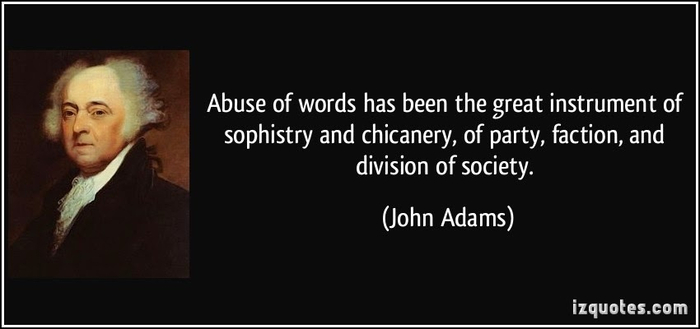
He saw, clearly and vividly, that to lose control of words is to lose control of meaning. That is what frightened him about the totalitarianism of Nazi Germany and Stalinist Russia – these regimes wanted to control the very linguistic substance of thought itself.

And that is why Orwell continues to speak to us so powerfully today. Because words, language and meaning are under threat once more.

Keep reading

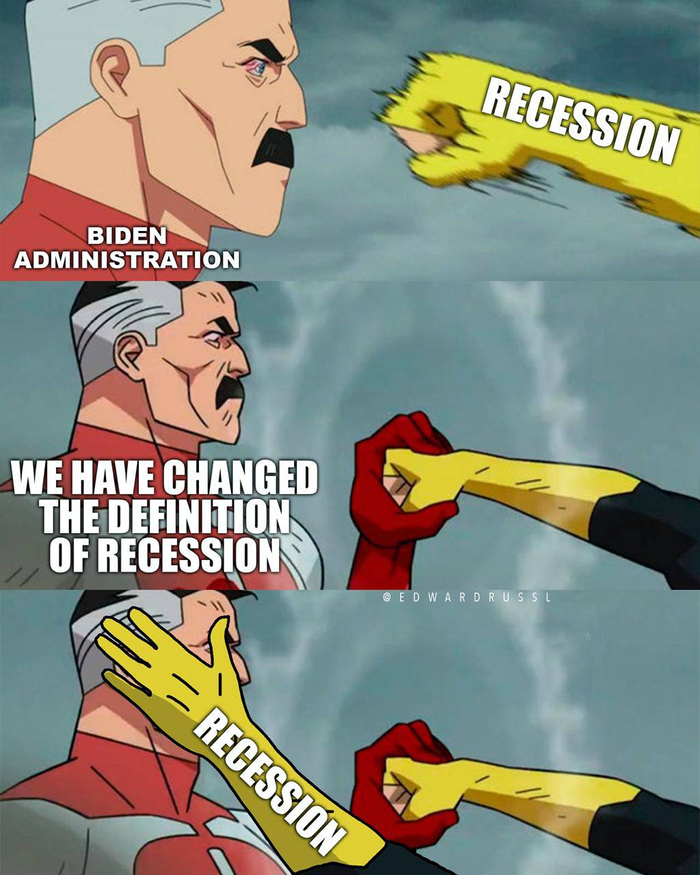
Wikipedia’s ‘Recession’ Page Shows 41 Edits In One Week, Attempts At Changing Definition

Wikipedia administrator has placed a pause on edits to Wikipedia’s “Recession” page by unregistered users until early August to stop “vandalism” and “malicious” content after the page was edited 41 times in the past seven days with repeated attempts to alter the historical definition of a recession.

On Thursday, the U.S. Bureau of Economic Analysis (BEA) estimated that the U.S. economy shrank for the second straight quarter at a 0.9 annualized rate. In recent weeks, the Biden administration had argued that there is no agreed-upon definition of a recession, despite economists consistently saying a recession can be signaled by two consecutive quarters of negative economic growth. The plethora of Wikipedia revisions come as the Biden administration attempts to go around the commonly held definition of the term.

Keep reading

Merriam-Webster Changes Definition of “Female” at the Behest of Transgender Activists

Merriam-Webster has bowed to transgender activists by literally changing the definition of the word “female” to include anyone who identifies as one.

Yes, really.

A new entry for the word female includes the description, “having a gender identity that is the opposite of male.”

Previous descriptions of the word have also been amended to please demented far-left clowns.

A female is now someone “of, relating to, or being the sex that typically has the capacity to bear young or produce eggs.”

They’re also “made up of usually adult members of the female sex.”

Definitions for the word “male” have also been similarly deformed.

Keep reading