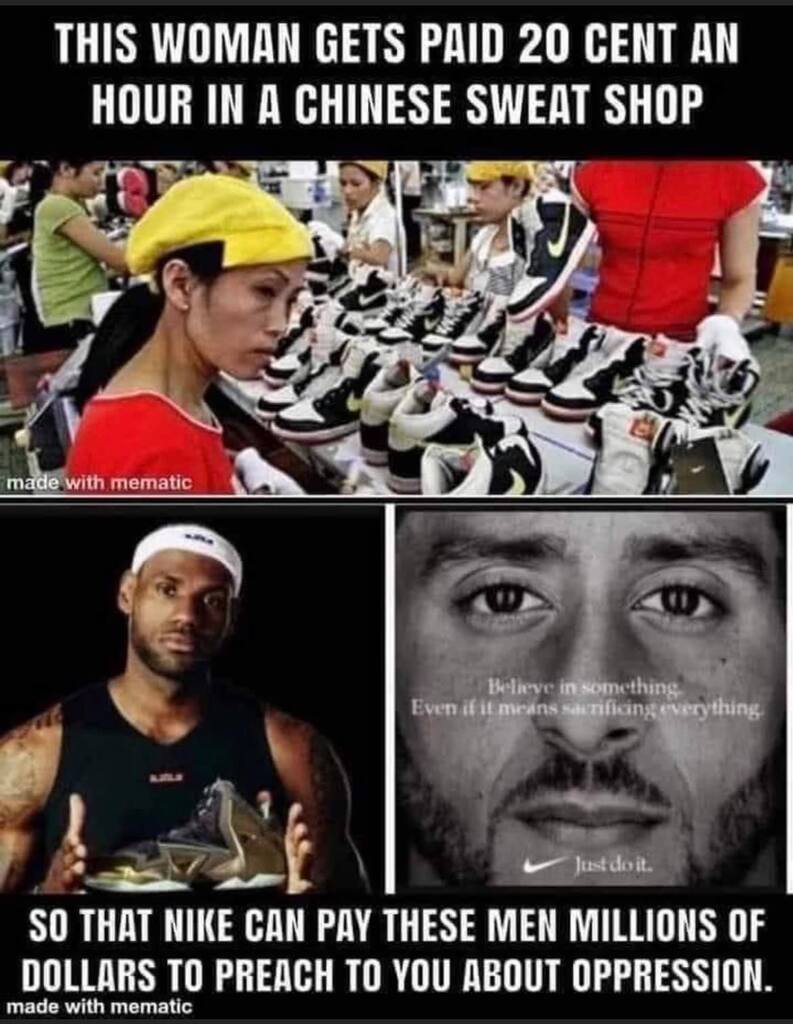
Buy my overpriced sneakers, suckers!

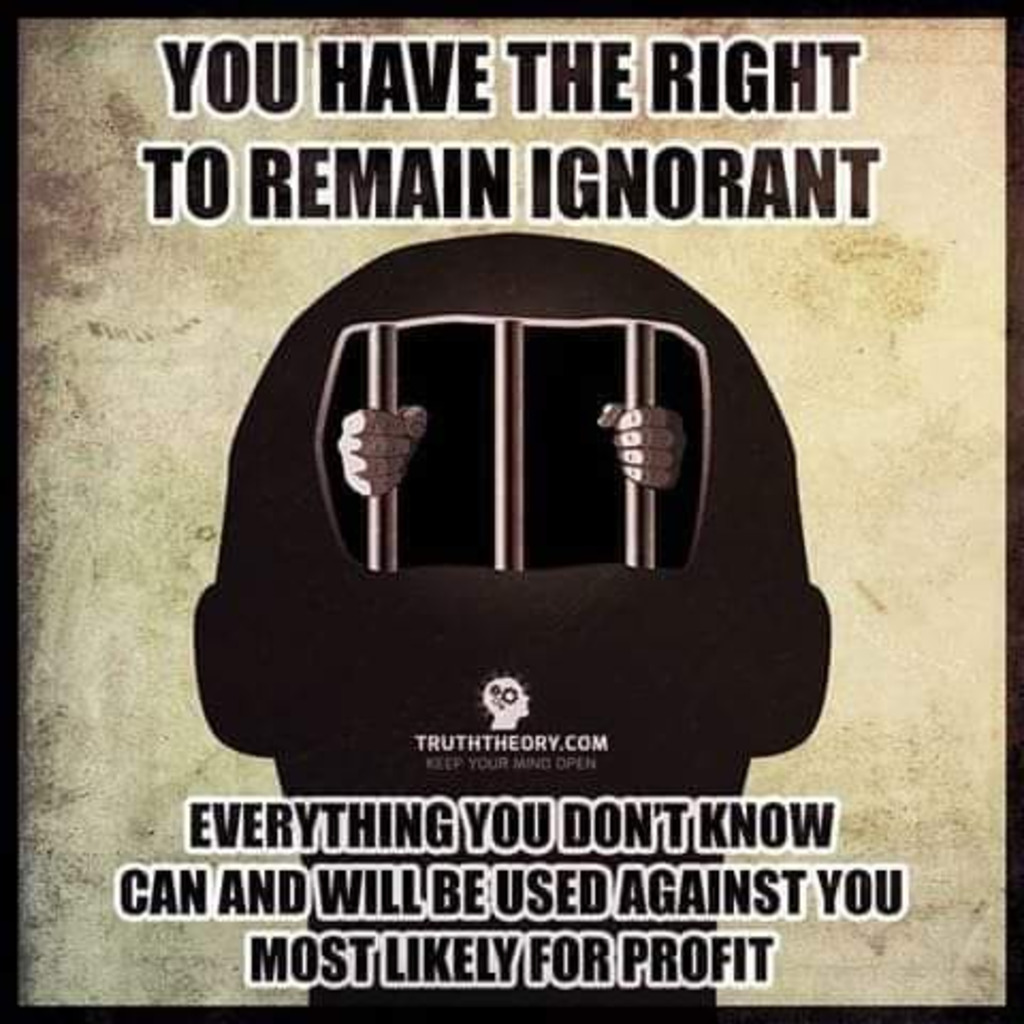
Throughout human history, our God-given liberties and freedoms have often been brutally crushed by oppressive governments, and that is still happening all over the world today. But in our time, an additional threat to our liberties and freedoms has emerged.
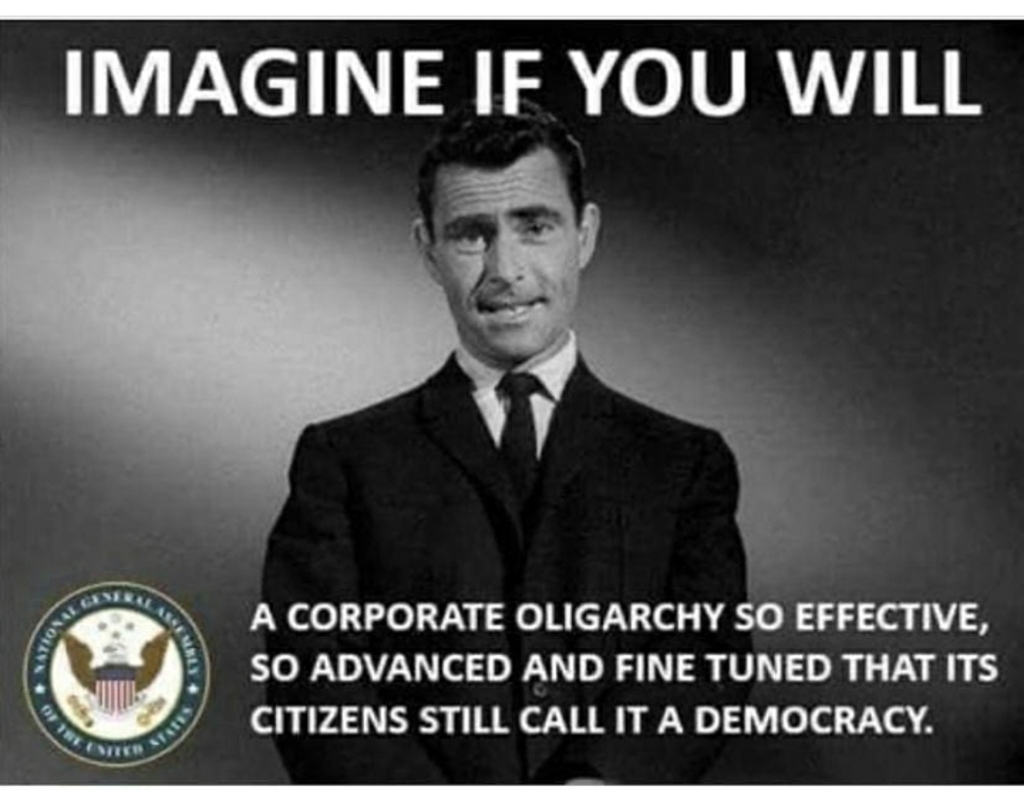
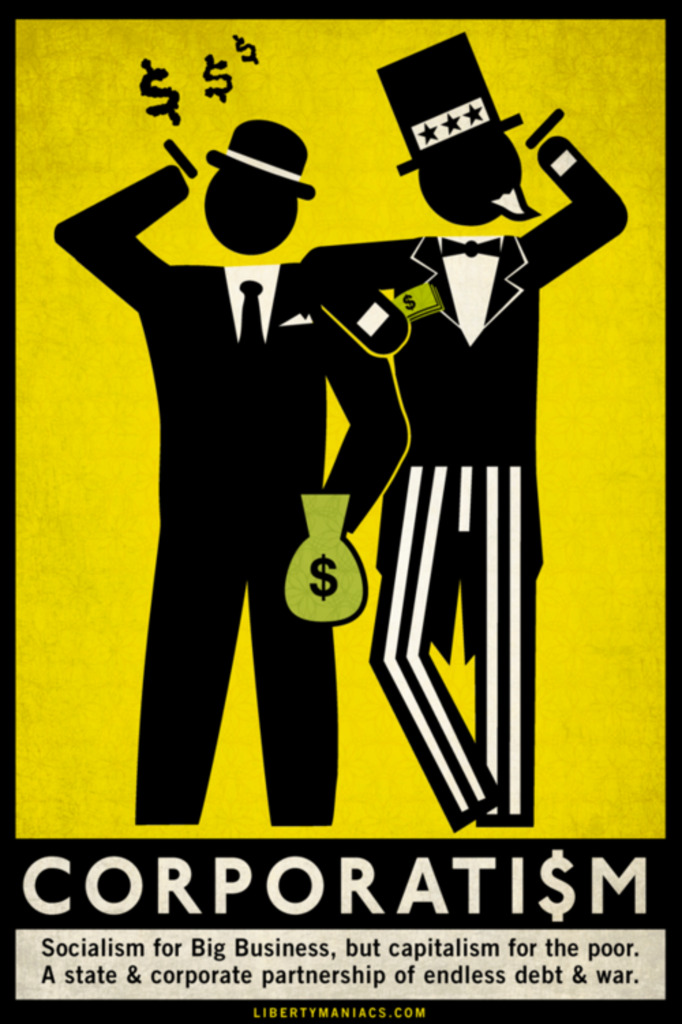
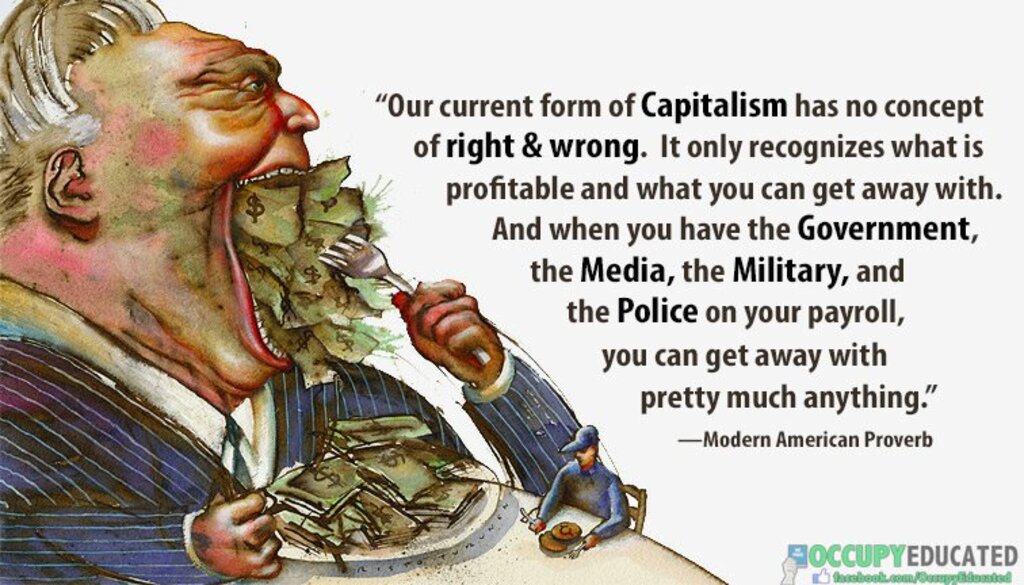
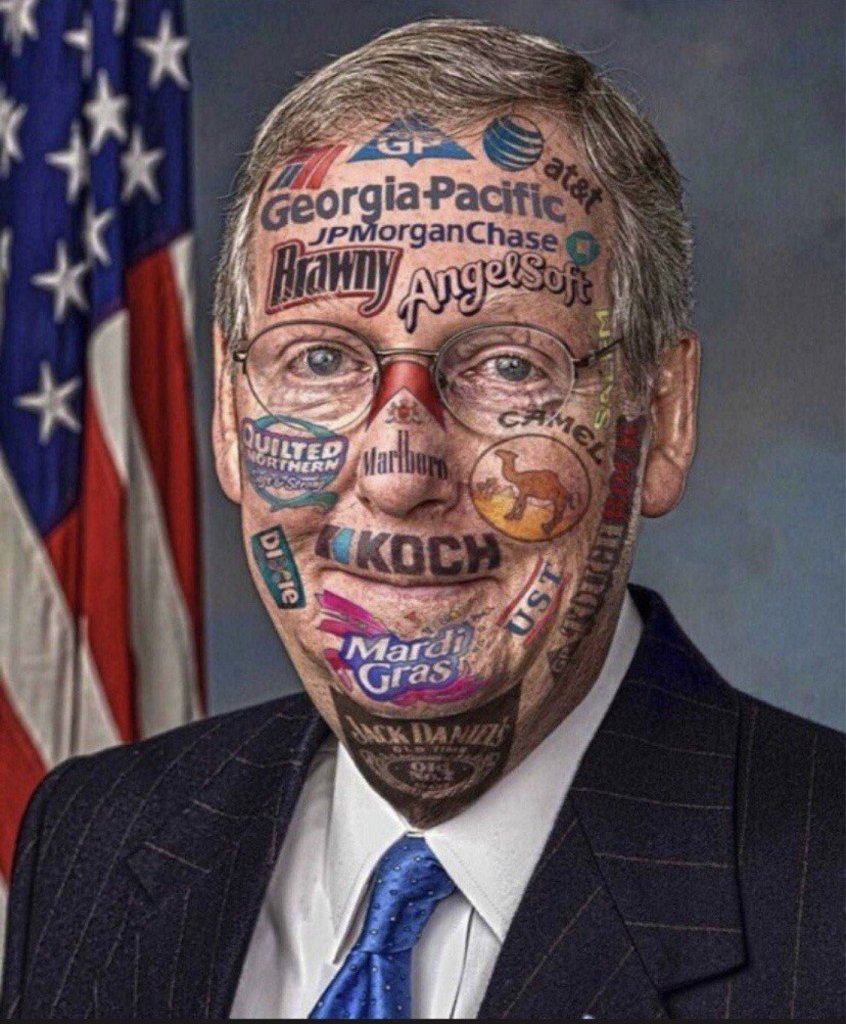
Global corporations just continue to get larger and more powerful, and in recent years they have been increasingly using that power to shape society. This is a very dangerous trend, because in the western world many of the constraints that our national governments are forced to operate under simply do not apply to corporations.
This gives them an enormous amount of leverage, and they are using it.


When information becomes a “threat”, even thinking the wrong thing can be dangerous. Over the past several weeks, I have heard the word “misinformation” uttered in the same sentence as “terror” or “terrorists” countless times. In the old days, the “extremists” and the “terrorists” were on the other side of the globe, but now we are being told that they live among us. So how can we identify them? Well, we are being told that “the bad guys” can be identified by what they believe.
Those who do not embrace the propaganda that big tech and the corporate media are relentlessly pushing are being systematically “deplatformed”, “canceled” and pushed to the fringes of society. But apparently that is not nearly enough, because The New York Times is now asking for the Biden administration to appoint a “reality czar” that will be given authority to deal with “misinformation” and “extremism”.
So exactly what will be done to those who are guilty of committing “thought crimes” against the government?
Sadly, I think that we are eventually going to find out.
 Hellbound and Down
You must be logged in to post a comment.