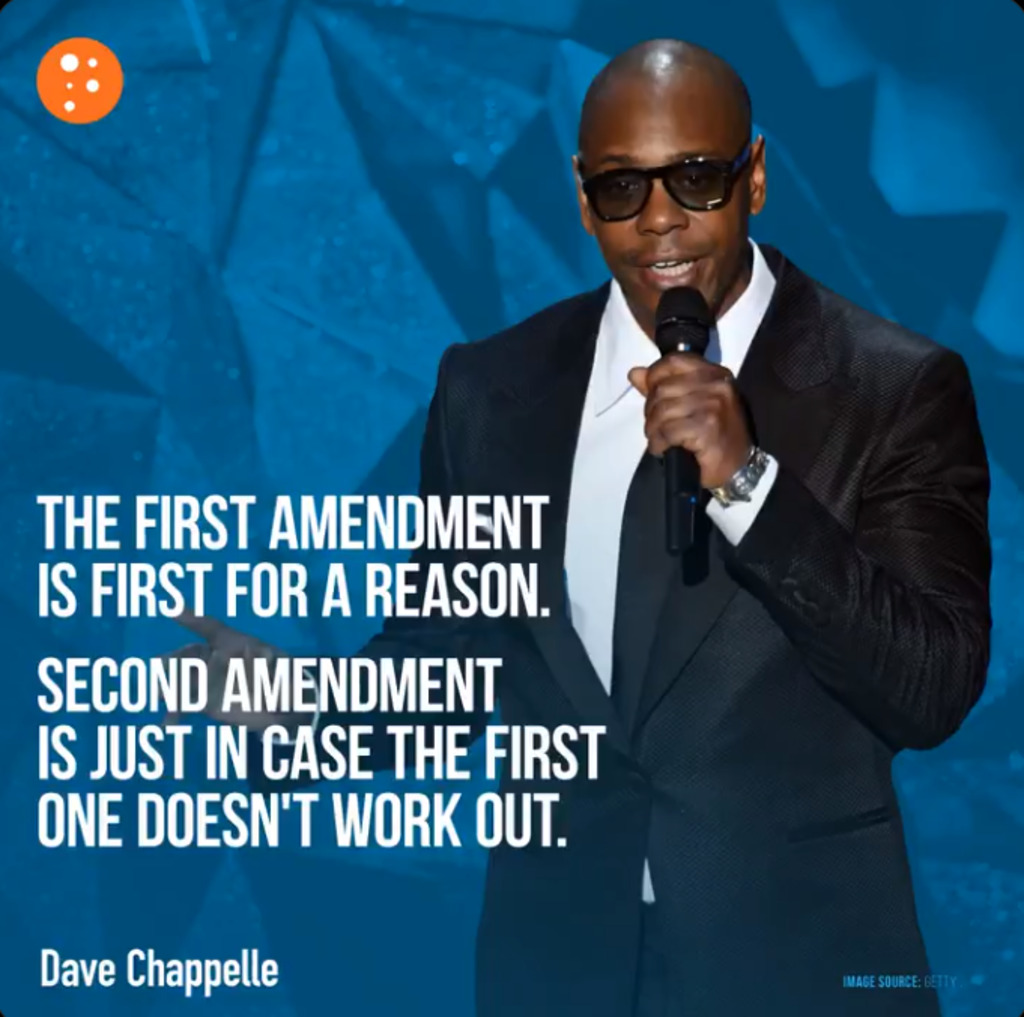
California Set to Reopen Strip Clubs Before Churches

A California judge ordered San Diego to reopen strip clubs even as local officials crack down on churches.

San Diego Superior Court judge Joel R. Wohlfeil ordered the state to end any actions that prevent the clubs from “being allowed to provide live adult entertainment,” according to the decision. The owners of two strip clubs argued that their business is legally protected speech guaranteed by the First Amendment—the same argument that churches have been making about their own services.

The judge’s decision is not final as that in a full hearing, which will occur at the end of the month, but it temporarily allows the strip clubs to reopen for indoor services, as other institutions close. In their legal complaint, strip-club owners argued they have complied with social distancing requirements. They also warned that another shutdown would mean financial ruin. The judge temporarily sided with them.

Religious-liberty advocates said that the case could pave the way for lifting coronavirus restrictions against churches. Paul Jonna, special counsel for the Thomas More Society, which is representing churches challenging the restrictions, expressed confidence that this decision bodes well for the churches. If strip clubs are entitled to constitutional protections, then churches are as well, he told the Free Beacon.

Keep reading

Orthodox Jews Say They’re Being Targeted by New NYC Lockdowns

A group of Orthodox Jewish men gathered Tuesday evening in Brooklyn, burning masks to protest the newest iteration of New York’s pandemic lockdown. Their anger is reasonable, because the newest lockdown—which disproportionately affects the city’s Jewish community and explicitly targets religious gatherings—is not. It is deeply stupid and unfair, exactly the sort of easily avoidable government overreach that makes even well-intended people doing their best to mitigate the spread of COVID-19 understandably skeptical of public health directives.

At issue is New York Gov. Andrew Cuomo’s “Cluster Action Initiative,” implemented at the request of New York City Mayor Bill de Blasio and announced several hours before the fire. The program identifies infection clusters—areas with positive test rates above 3 percent for seven consecutive days—and imposes a graduated system of restrictions until the rate drops.

In the strictest rule set, the “red zone,” schools along with businesses deemed nonessential are closed. In-person dining is banned. Houses of worship are limited to gatherings of 25 percent capacity or 10 people, whichever is smaller, with $15,000 fines for violations. In fact, as Cuomo said Tuesday in a line sure to appear in forthcoming First Amendment litigation, religious gatherings are the main target: “The new rules are most impactful on houses of worship,” he declared. “This virus is not coming from nonessential business.” (Then why, one wonders, are those businesses required to close?)

Keep reading

Official: Toilet display mocking mail-in voting is a crime

A Michigan resident’s apparent joke showing disdain for voting by mail is no laughing matter for one election official.

The resident put a toilet on their lawn with a sign that says, “Place mail in ballots here.”

Barb Byrum, the Democratic clerk of Ingham County, filed a complaint with police over the display, saying it could mislead people who aren’t familiar with the voting system.

“It is a felony to take illegal possession of an absentee ballot,” Byrum said Friday.

“Elections in this country are to be taken seriously and there are many people who are voting by mail for the first time this election,” she said.

Keep reading

CNN’s Cuomo: Being Allowed to Protest and Being Allowed to Go to Church Have ‘Nothing to Do with the Other’

During CNN’s coverage of the 2020 Republican National Convention on Monday, CNN host Chris Cuomo stated that protesting and church attendance have “nothing to do” with each other and protests are “people who are responding in this country to outrageous acts of social injustice. To say, well, it’s the same as going to church, no, it isn’t.” And that “you would have chaos” if you told people you couldn’t protest.

Keep reading

Kamala Harris’ Limited Vision of Religious Liberty

When presumptive Democratic vice presidential nominee Kamala Harris was running for president, she appeared at CNN’s Equality Town Hall, an October event focused on the LGBTQ community. How, one questioner asked, will Harris communicate her “liberal, Californian perspective when reaching out to voters in small, conservative areas?”

Harris said she’d tell the story of a day in 2004 where she arrived at San Francisco’s City Hall to find families of same-sex couples lined up around the block to witness their loved ones’ weddings. “It was a day where people who loved each other had the ability for their love to be recognized by law,” said Harris, who herself officiated gay weddings years before they were legalized statewide in California. “And if anyone has known love, and honors the importance of love and the commitment one person is willing to make to another person in the name of love,” she continued, “they should always recognize and encourage that nobody would be treated differently under the law.”

It’s an evocative story about why gay marriage should be allowed, but it doesn’t address the chief concern you’ll hear from religious conservatives these days: Whether they’ll be compelled to participate in and pay for things, particularly in the workplace, which their creeds and consciences forbid. Unfortunately, this wasn’t a momentary lapse: Harris shows little interest in reaching common ground with voters worried about religious liberty. She even seems unwilling to acknowledge the possibility that their fears could be based in something more substantive than a failure to have “known love.”

Keep reading

NFL, NFLPA agreement includes specific prohibitions on player activities

With the NFL and NFL Players Association striking a historic, on-the-fly CBA that covers 2020 and beyond, the two sides have come up with a way to ensure that players will practice personal responsibility in a pandemic.

Per multiple sources, the deal specifically prohibits players from engaging in certain behaviors this season. Players cannot attend indoor night clubs, indoor bars (except to pickup food), indoor house parties (with 15 or more people), indoor concerts, professional sporting events, or indoor church services that allow attendance above 25 percent of capacity.

Keep reading

‘Patently Unconstitutional’: Portland Judges Are Barring Arrestees From Attending Public Protests As A Condition of Release

In a move that legal experts say is “patently unconstitutional,” federal authorities in Portland are arresting people for minor offenses and then barring them from attending any future protests as a condition of their release, ProPublica reported Tuesday. According to the report, at least 12 people arrested in connection with the demonstrations were expressly prohibited from being present at any future public demonstrations as they await their days in court.

In one instance, the conditions of release issued by the U.S. District Court in Oregon for a defendant whose offense was “fail[ing] to comply with the lawful direction of federal police officers” stated that “Defendant may not attend any other protests, rallies, assemblies or public gatherings in the state of Oregon.”

Keep reading