
Sacrifices…yours, that is…

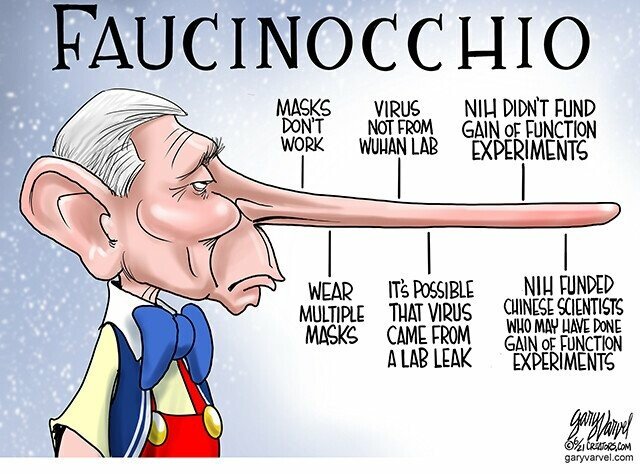
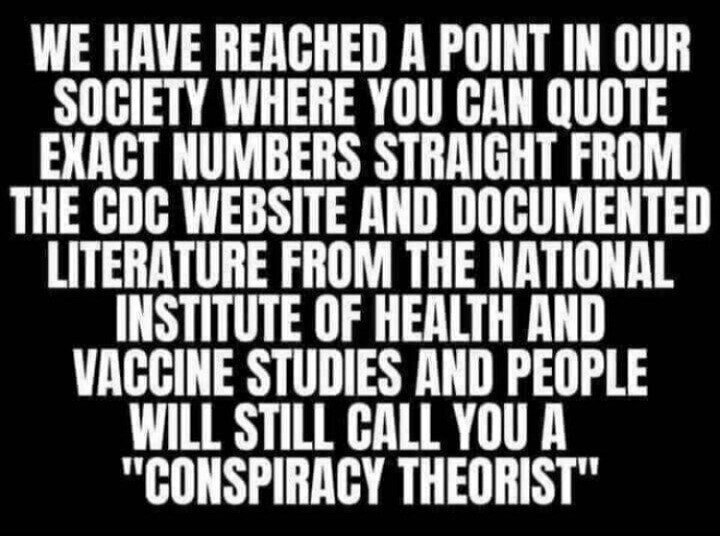
Google-owned YouTube already purges large amounts of content for containing what it deems to be “harmful conspiracy theories” and boosts what it says are “authoritative” mainstream media outlets to push what it deems to be the “right information.”
Now, a report that was sponsored by Google’s Jigsaw unit (a unit that “explores threats to open societies, and builds technology that inspires scalable solutions”) has recommended a new approach – infiltrating and subverting online conspiracy groups from within by targeting “moderate members” of these groups in the hope that they “exert influence on the broader community.”
The report was published by the research organization RAND which “develops solutions to public policy challenges to help make communities throughout the world safer and more secure.”
RAND receives funding from Google and several US government departments including the Department of Defense, the Department of Homeland Security, the Department of Justice, the Department of State, and the Office of the Director of National Intelligence.
This specific report, “Detecting Conspiracy Theories on Social Media: Improving Machine Learning to Detect and Understand Online Conspiracy Theories,” was sponsored by Google’s Jigsaw unit and was conducted within the International Security and Defense Policy (ISDP) Center of the RAND National Security Research Division (NSRD) which conducts research and analysis for the Office of the Secretary of Defense, the US Intelligence Community, US State Department, allied foreign governments, and foundations.
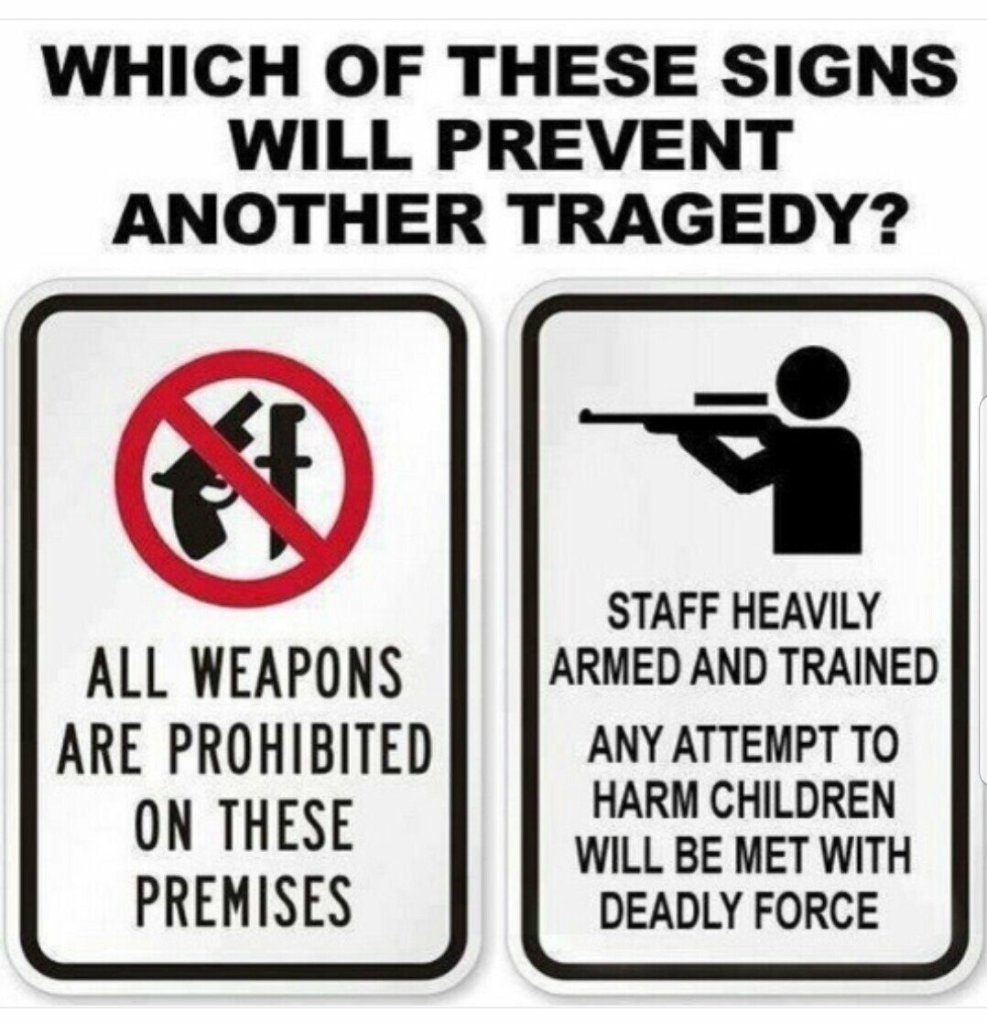
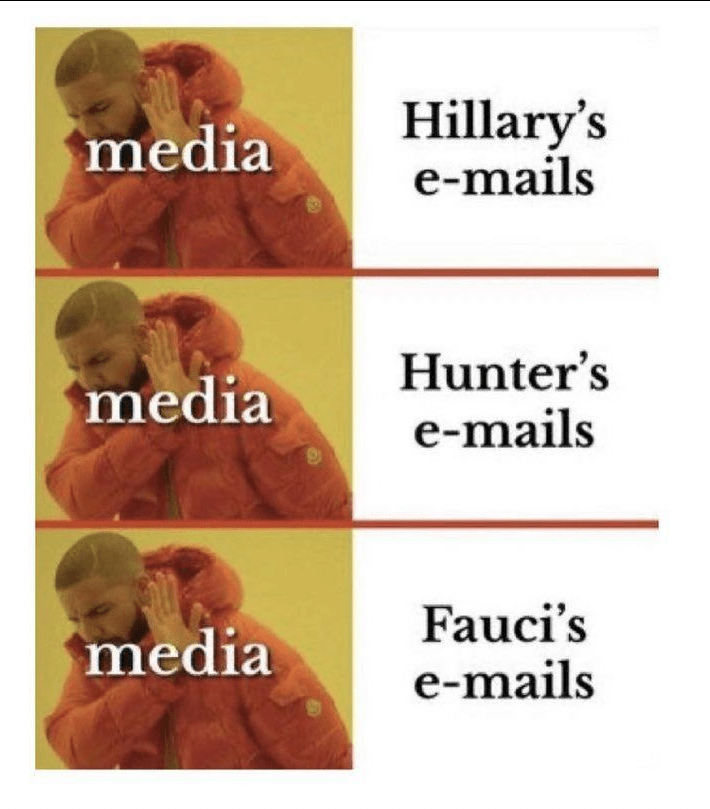
One of the most significant events of the last two decades has been largely memory-holed: the October, 2001 anthrax attacks in the U.S. Beginning just one week after 9/11 and extending for another three weeks, a highly weaponized and sophisticated strain of anthrax had been sent around the country through the U.S. Postal Service addressed to some of the country’s most prominent political and media figures. As Americans were still reeling from the devastation of 9/11, the anthrax killed five Americans and sickened another seventeen.
As part of the extensive reporting I did on the subsequent FBI investigation to find the perpetrator(s), I documented how significant these attacks were in the public consciousness. ABC News, led by investigative reporter Brian Ross, spent a full week claiming that unnamed government sources told them that government tests demonstrated a high likelihood that the anthrax came from Saddam Hussein’s biological weapons program. The Washington Post, in November, 2001, also raised “the possibility that [this weaponized strain of anthrax] may have slipped through an informal network of scientists to Iraq.” Sen. John McCain (R-AZ) appeared on The David Letterman Show on October 18, 2001, and said: “There is some indication, and I don’t have the conclusions, but some of this anthrax may — and I emphasize may — have come from Iraq.” Three days later, McCain appeared on Meet the Press with Sen. Joe Lieberman (D-CT) and said of the anthrax perpetrators: “perhaps this is an international organization and not one within the United States of America,” while Lieberman said the anthrax was so finely weaponized that “there’s either a significant amount of money behind this, or this is state-sponsored, or this is stuff that was stolen from the former Soviet program” (Lieberman added: “Dr. Fauci can tell you more detail on that”).
In many ways, the prospect of a lethal, engineered biological agent randomly showing up in one’s mailbox or contaminating local communities was more terrifying than the extraordinary 9/11 attack itself. All sorts of oddities shrouded the anthrax mailings, including this bizarre admission in 2008 by long-time Washington Post columnist Richard Cohen: “I had been told soon after Sept. 11 to secure Cipro, the antidote to anthrax. The tip had come in a roundabout way from a high government official. I was carrying Cipro way before most people had ever heard of it.” At the very least, those anthrax attacks played a vital role in heightening fear levels and a foundational sense of uncertainty that shaped U.S. discourse and politics for years to come. It meant that not just Americans living near key power centers such as Manhattan and Washington were endangered, but all Americans everywhere were: even from their own mailboxes.


You must be logged in to post a comment.