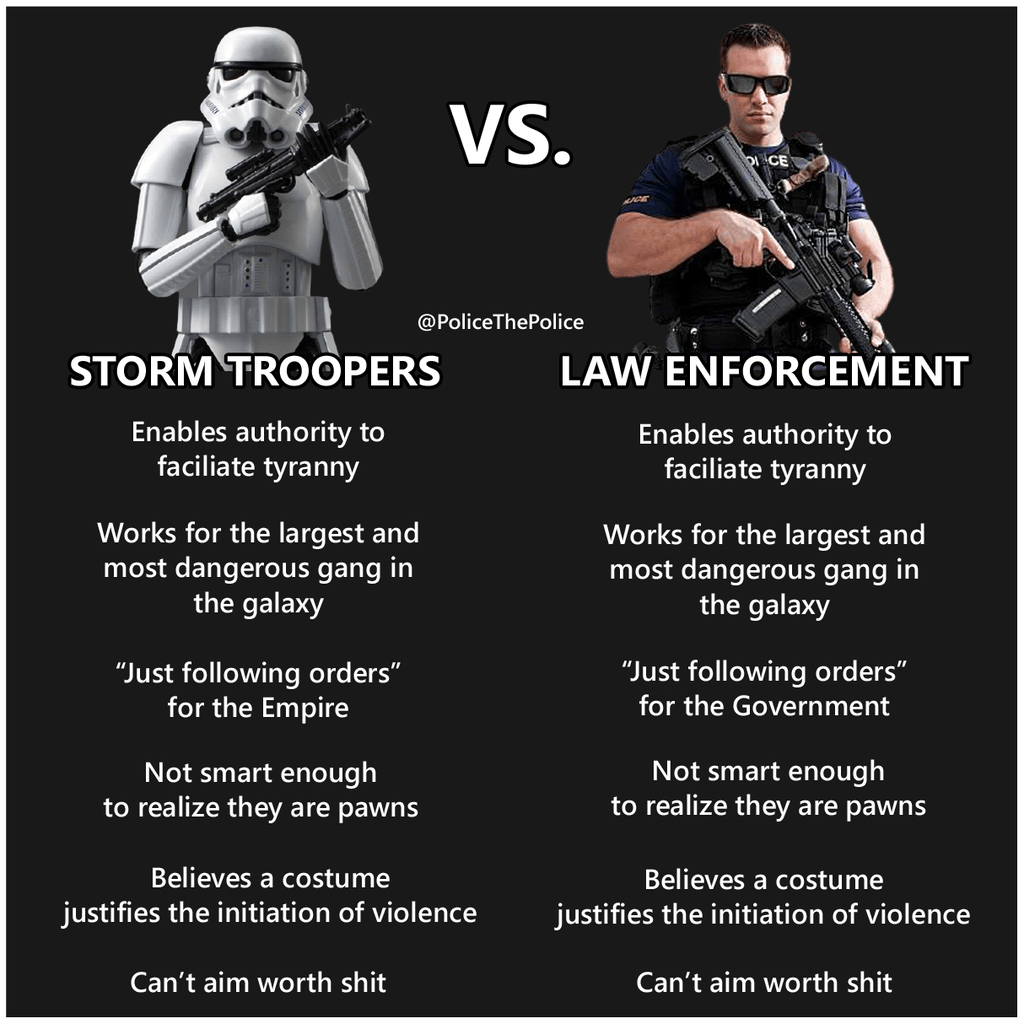
Stormtroopers vs. cops…

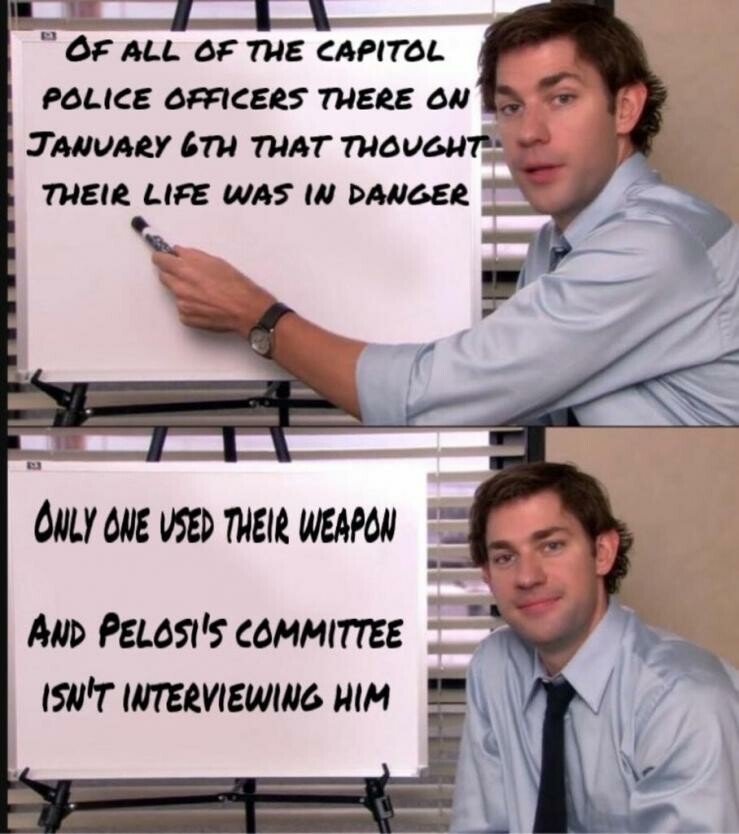
Canada has for more than the past year become known as having arguably the most stringent and far-reaching travel screening and lockdown/quarantine polices of any country. For example the US-Canada border is still closed, but is set to open August 9th – only for the fully vaccinated.
Throughout what’s essentially been more or less a ‘permanent’ state of lockdown since the start of the pandemic, even Canadians re-entering the country from outside have had to quarantine for at least two weeks if they can’t show proof of vaccination. This policy has been in effect in other countries as well, especially in Europe, which has perhaps made it inevitable that foreign travelers have sought to find ways around the restrictions. Authorities have worried about fake vaccination certificates popping up globally as the concept of ‘COVID passports’ has remained under discussion and is already fast becoming a reality at least in practice.
One particular recent instance being reported this week included a pair of American travelers busted by the Canadian government for what were described as fake COVID-19 vaccination documents, apparently in their bid to avoid quarantine measures and successfully enter the country.
They were reportedly fined 20,000 Canadian dollars each – or about $25,000 USD – after getting caught with the fakes. In total the pair will pay a whopping $50,000 fine.
“The unnamed travelers arrived from the U.S. in Canada the week of July 18. Officials from the Public Health Agency of Canada (PHAC) fined each traveler four times for a total of 19,720 CAD per traveler” Fox details.
Official protocol required that they also show a negative COVID test before boarding the inbound plane, after which travelers are required to be confined in a government-approved hotel for three days at the end of which they have to test negative again. All of this is at the traveler’s expense of course.
In this latest falsified documents case, the American pair even had fake negative tests:
The fake documents consisted of proof of vaccinations and pre-departure tests; officials also cited the pair for “non-compliance” with government requirements for accommodation and on-arrival testing, according to a PHAC press release.
Nextdoor, a social media networking service that operates as a neighborhood hub for sharing information, has been criticized by Congressional Democrats in the US for its lack of action to address the skepticism regarding the COVID vaccination.
“We urge you to release specific and clear data demonstrating the resources you currently devote to protect non-English speakers from misinformation, disinformation, and illegal content on your platform,” said the letter to Nextdoor CEO Sarah Friar, according to Politico Pro.
“Congress has a moral duty to ensure that all social media users have the same access to truthful and trustworthy content regardless of the language they speak at home or use to communicate online.” The lawmakers demanded a response by Aug. 13.
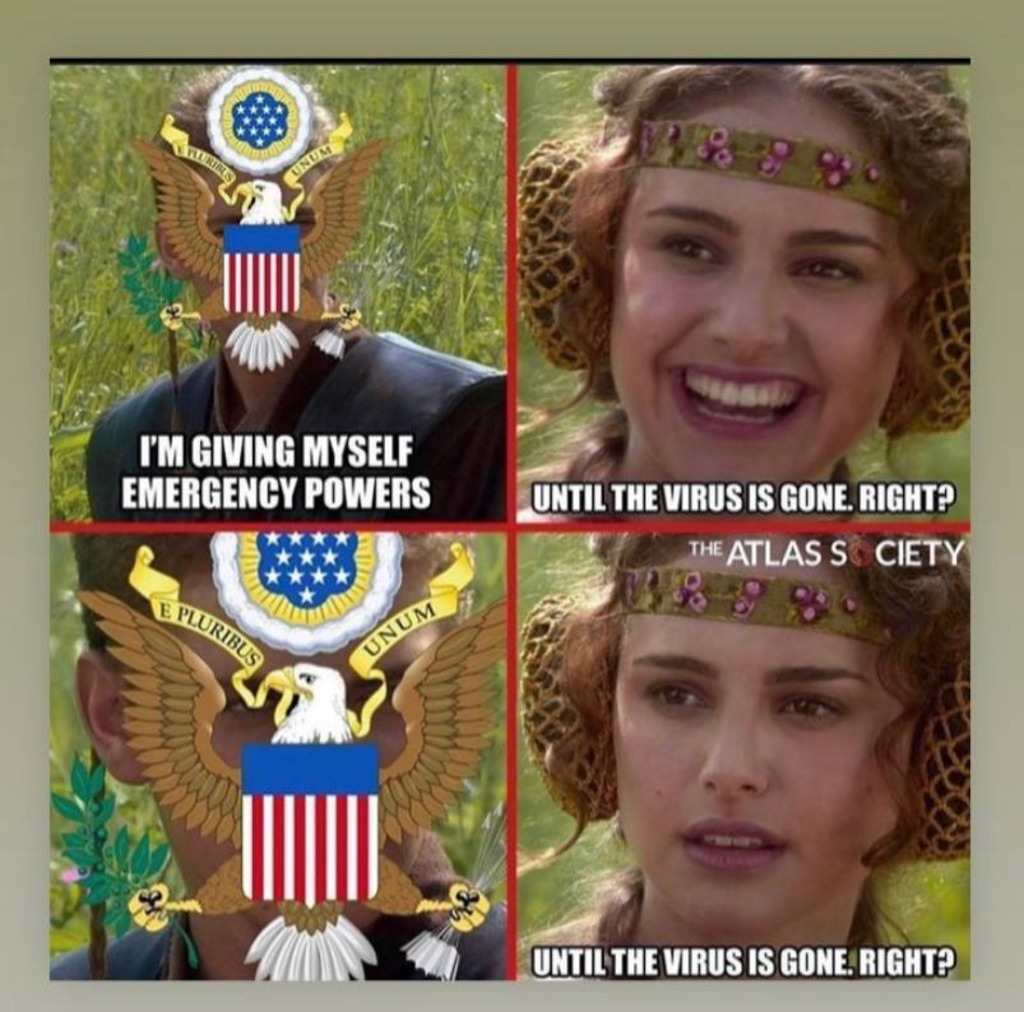
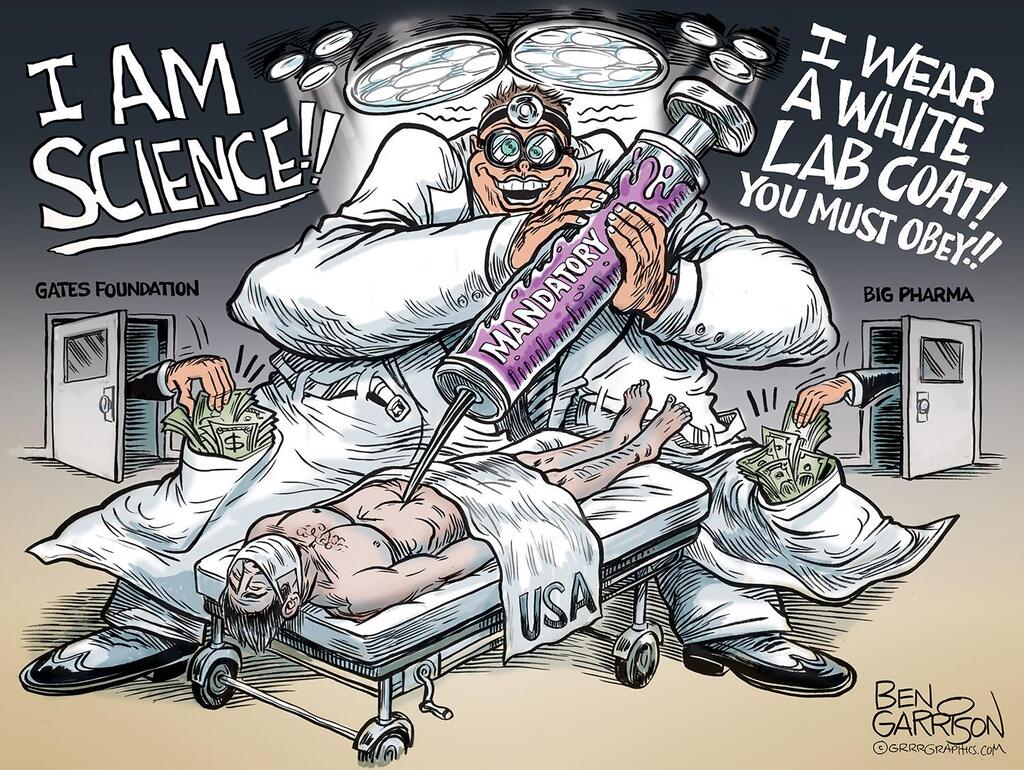
Iraqi Prime Minister Mustafa al-Kadhimi and President Biden announced last week that Washington will end its combat mission in Iraq by the end of the year. However, these long-serving U.S. soldiers are not coming home: many of the 2,500 American service members are expected to remain in the country for “training and advisory” purposes.
The United States and Iraq had issued a joint statement in April that the U.S. combat mission would be ending, but the timeline remained unclear. The timing of the recent announcement appears intended to boost Kadhimi’s prospects in October’s parliamentary elections — he faces domestic demands to oust U.S. forces, yet remains dependent on American support to maintain some semblance of control.
Many of the militia groups he now struggles to control initially assembled to fight the so-called Islamic State, or Daesh, starting in 2014. The Popular Mobilization Forces, or al-Ḥashd ash-Shaʿbī, many of whose fighters are Iraqi Shi’a, were supported by both the U.S. and Iran to defeat the Islamic State. The mobilization of these militias would not have been necessary if Paul Bremer and the Pentagon had not made the foolish decision to disband Iraq’s military following the U.S. invasion in 2003, as Iraq would still have possessed a functional army.
A liberal “journalist” advocated for “porn for children” where “no one gets choked.”
Writer Flora Gill, who boasts on her Twitter profile of writing for GQ, ST Style Magazine, The Sunday Times Magazine, and Evening Standard, claimed that children need “entry level porn.”
“Someone needs to create porn for children. Hear me out,” Gill tweeted Thursday. “Young teens are already watching porn but they’re finding hardcore, aggressive videos that give a terrible view of sex. They need entry level porn! A soft core site where everyone asks for consent and no one gets choked.”


You must be logged in to post a comment.