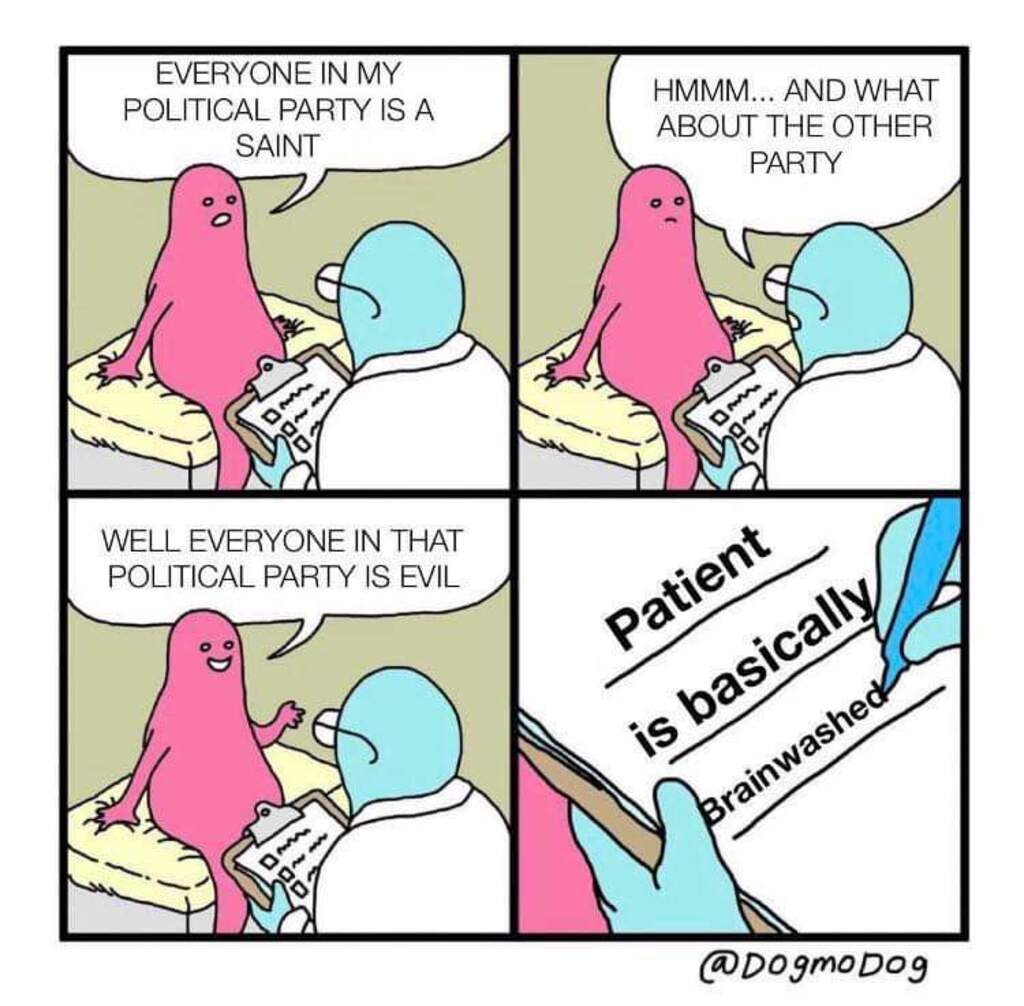
Partisans…


Privacy and security have long-been one of the top selling points for iOS devices in the interminable marketing fracas between Apple and its competitors, with fancy additions to their suite of protection features like fingerprint scanning and facial recognition. Android devices, by contrast, always seemed to lag behind in the personal encryption space, but have caught up fairly recently in the consumer’s mind, at least.
The cat, as they say, is out of the bag thanks to researchers at Johns Hopkins University, who decided to test the mobile security systems of two of the biggest mobile device makers, Apple and Google. Their findings reveal that the layers of security protecting our data are only skin deep and that much of the encryption structures built into these devices remain unused. “I’ve come out of the project thinking almost nothing is protected,” Matthew Green, the professor who oversaw the study told Wired.
Using the companies’ own data and records spanning over a decade, the team of cryptographers found a plethora of security loopholes that can and are being exploited “by hackers and law enforcement alike.” The latter’s access to our mobile devices is of particular concern, given “the privacy risks involved in unchecked seizure and search.” Significantly, it is not your local police precinct that necessarily has the right tools to extract any readable data from your cell phone or laptop (though that is changing), but rather, these unique abilities are reserved for private cybersecurity companies who offer their services to police and other government entities.
One such firm, Israeli cyber forensics firm Cellebrite, boasts about their ability to “unlock and extract data from all iOS and high-end Android devices,” a service they have been selling to governments around the world and which they have more recently integrated into a product called Universal Forensic Extraction Device or UFED, which has been purchased by multiple law enforcement agencies across the globe, including the Hong Kong Police, which used Cellebrite’s hacking technology to “crack protestors’ smartphones” during the anti-extradition riots of 2019 and the NYPD, which enrolled in Cellebrite’s “UFED Premium program” that same year and gives ‘New York’s finest’ the capability to extract ostensibly private citizens’ data from the department’s own computers and laptops.
Foreign policy tends to be complicated and messy. International issues create an explosive imbroglio mixing economic, political, and security controversies. Human rights upsets almost every calculation since America’s friends can be even crueler than its foes.
The Trump administration cared not at all about humanitarian issues. Political prisoners were only convenient weapons, useful against adversaries but forgotten with allies. Former Secretary of State Mike Pompeo’s cynicism was exceeded only by his sanctimony when it came to the issue.
Members of the Biden administration care more about such issues but have little credibility to preach to the world. The president and most of his top officials were drawn from the Obama administration, which aided the murderous Saudis in their aggressive war against Yemen. The Obama retreads supported radical jihadist insurgents against Syria’s Assad government. U.S. officials refused to call Egyptian Gen. Abdel Fattah al-Sisi’s coup a coup. And they supported a gaggle of America’s “usual suspects,” allies which killed and jailed opponents with equal aplomb.
In fact, the Obama administration made little pretense about supporting human rights. Its claim to have entered Libya’s civil war for humanitarian purposes was a shameful fake and fraud. Muammar Khadafy was a dictator, but contra the administration he had massacred no civilians and his threats of future retribution were directed against combatants. Nevertheless, the Obama administration misled China and Russia into approving a UN resolution which authorized an operation to protect civilians – and used the opportunity to impose regime change. It was cynical Trumpism before Trump.
Moreover, the practical difficulties in promoting human rights are enormous. Some advocates seem to believe that the president merely need pronounce his or her judgment and humanity will rush to comply. However, that isn’t the way of the world. History didn’t work that way during the early American republic, Cold War, or unipolar moment. And it certainly doesn’t work that way now.
Police in the UK arrested a man for handing out free soup in a park, claiming that he had violated COVID-19 restrictions.
Nick Smith had been giving out free soup to people in his village for 17 weeks before Sussex Police intervened, claiming he had violated COVID rules by encouraging people to gather.
However, Smith cited exemptions under the rules for volunteering, which allows for up to 15 people to gather either indoors or outdoors.
Smith said he found the whole experience “very shocking” and insisted he was only trying to help people struggling with mental health issues as a result of the lockdown.
“Showing up every week and being a feature they can rely on is what I wanted to do. They just come because they don’t see anybody they don’t talk to anybody and they’re going crazy,” he said.
In a plan that easily could be called the “head shrink job protection bill,” Democrats have proposed a massive and exhaustive gun-control plan that would require gun owners and their family members to undergo “psychological evaluations.”
Gun owners also would have to pay the government $800 “insurance” fees, the plan demands. And a long list of weapons simply would be banned.
The bill from U.S. Rep. Sheila Jackson Lee, D-Texas, follows on comments from Joe Biden during his campaign that he would appoint to run his gun control program a failed presidential hopeful who insisted that yes, the government was coming to confiscate guns.
Experts have recommended that President Joe Biden appoint a “reality czar” to “tackle disinformation,” the New York Times reported Tuesday.
Technology columnist Kevin Roose’s piece examines how to combat disinformation in media, citing QAnon group chats, OAN reporting, and “YouTube videos alleging that the inauguration was a prerecorded hoax that had been filmed on a Hollywood soundstage.”
“Several experts I spoke with recommended that the Biden administration put together a cross-agency task force to tackle disinformation and domestic extremism, which would be led by something like a ‘reality czar,’” Roose wrote. “It sounds a little dystopian, I’ll grant. But let’s hear them out.”
 Hellbound and Down
You must be logged in to post a comment.