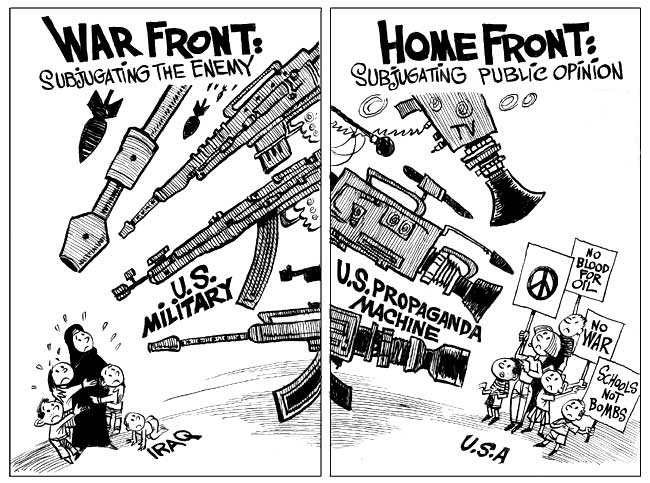
Mainstream media propaganda…

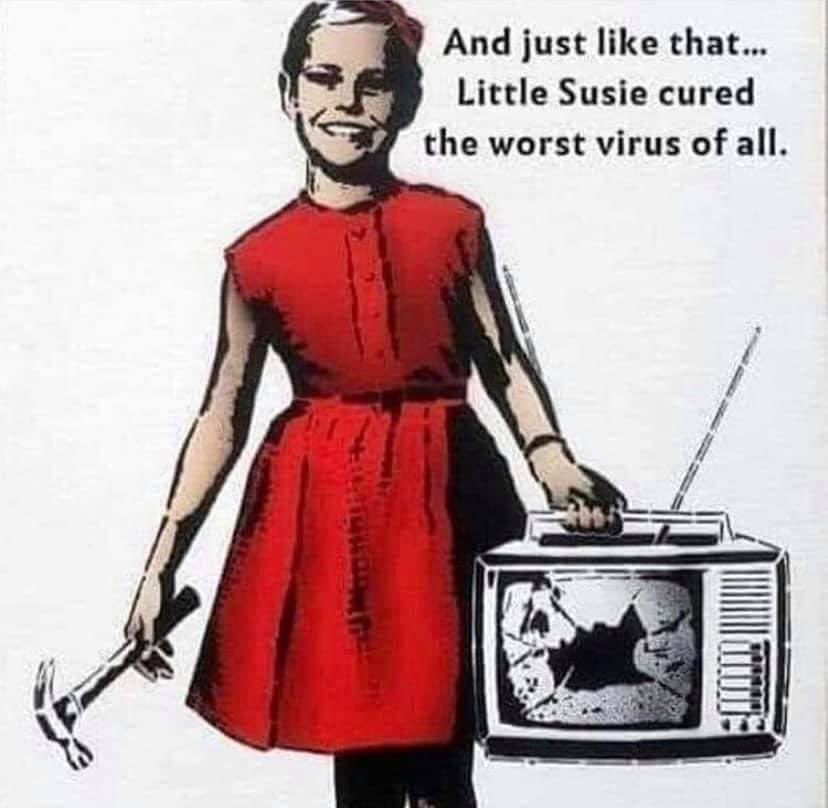
It seems like only yesterday that America’s leading organs of elite consensus were engulfed by a full-fledged panic that the country was on the cusp of all-out Civil War. The means by which this prophesied conflict would be instigated — much less fought — were never made exactly clear, but that wasn’t the point. After all, logistical or operational specifics are immaterial when it’s already been ordained that something unimaginably, harrowingly catastrophic is just around the corner.
“This is not a drill. The Reichstag is burning,” blared a five-alarm-fire warning in the Washington Post by Dana Milbank, who may want to consider a title change from “columnist” to “in-house hysteric”. Not to be outdone, establishment weather-vane Thomas Friedman joined the fray in the New York Times with an equally shocking exhortation: “I can’t say this any more clearly,” he hyperventilated. “Our democracy is in terrible danger — more danger than it has been since the Civil War, more danger than after Pearl Harbor, more danger than during the Cuban missile crisis […]”.
If these fevered prognostications even bore the faintest resemblance to political conditions in the United States, it might seem a bit odd that the pundits in question have since moved on to other subjects. Or to put it this way: if they really believed their own fantastical rhetoric, shouldn’t they have spent the past few weeks taking action more tangible than rattling off a few throwaway columns and browsing Twitter? Not that any “resistance” brigade composed of pallid middle-aged journalists would be especially formidable on the battlefield, but the point is that their conduct doesn’t come anywhere close to matching the incredible alarmism of their words.


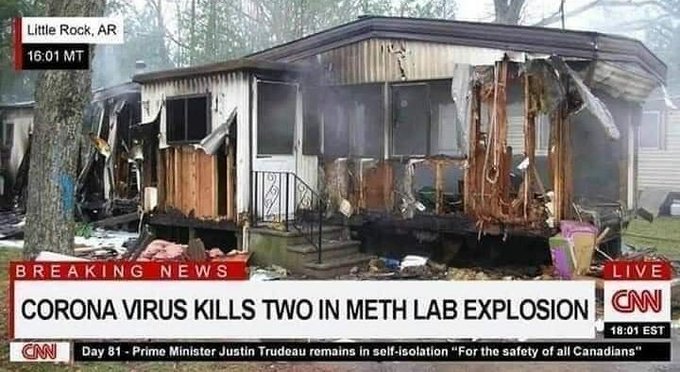

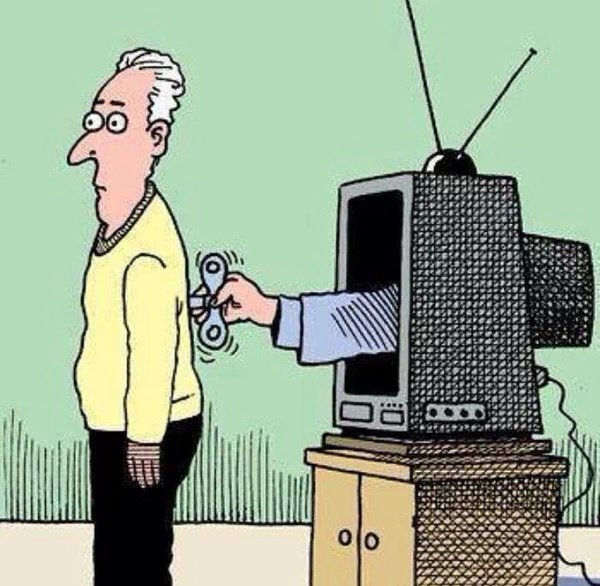

The striving for ‘juicy narratives’ is the biggest mistake of current news media. Their attempt to copy the success of Hollywood dramas by creating narratives has destroyed their credibility. It has put incentives on the wrong aspect of a reporter’s work. Instead of requiring well checked facts the editors are now asking for confirmations of preconceived tales:
What is clear is that The Times should have been alert to the possibility that, in its signature audio documentary, it was listening too hard for the story it wanted to hear — “rooting for the story,” as The Post’s Erik Wemple put it on Friday.
Callimachi is far from the only one guilty of creating fake news to fulfill her editors demand of narratives. The four year long coverage of ‘Russiagate’, the fairytale collection of made up connections between Donald Trump and Russia, was full of such. The editorial push towards narratives is rooted in the desire to create clickbait and to generate a social media echo around the reporting. That may be profitable in the short term but it is also a guarantee for a long term failure.
False of hyped narratives will over time get debunked. People then lose trust in the media that provided them with the fake news. That again will cause a long term loss of readership.
 Hellbound and Down
You must be logged in to post a comment.