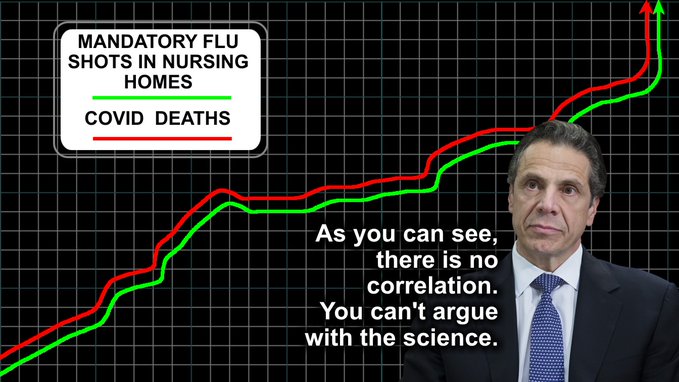
The science is settled.

The World Health Organization is collaborating with an analytics company to scan people’s social media conversations for “coronavirus misinformation;” something the WHO calls “social listening.”
The global health organization says that it’s not only fighting the pandemic but also the conversations people are having about it.
According to the WHO, there’s an “infodemic” – an overload and spread of misleading information, so much so that it decided that to tackle misinformation, it needs to employ various tools, including social listening, with machine learning monitoring.
“Countering fake news or rumors is actually only responding or mitigating when it’s too late,” said Tim Nguyen, a technology expert helping the WHO’s unit titled Information Network for Epidemics (EPI-WIN). “What we’ve put in place in the beginning of the pandemic is what we call a social listening approach.”
The company has been creepily scanning more than 1.6 million social media posts each week to monitor online conversation. It then uses machine learning to classify information into four topics; cause, illness, interventions, and treatments. The WHO’s aim is to learn the coronavirus topics that are gaining popularity so that it can then create its own content to counteract and attempt to change the narrative.
The WHO’s “social listening” goes beyond analyzing people’s conversations for content, it also tries to analyze their emotions. Through language analytics, the technology detects emotions such as sadness, acceptance, denial, and anxiety. With such insights, the WHO hopes to come up with effective strategies to adjust coronavirus narratives.
“What we’ve learned now, after two and a half months of doing this kind of analysis, is that there are recurring themes and topics that are coming back over and over again,” Nguyen explained. “What that means to us is that we need to re-push information at different times. People may not understand it the first time when we push it, but when the questions and issues come up later, it means it’s time to push it out again.”
The coronavirus cases on lower Broadway may have been so low that the mayor’s office and the Metro Health Department decided to keep it secret.
Emails between the mayor’s senior advisor and the health department reveal only a partial picture. But what they reveal is disturbing.
The discussion involves the low number of coronavirus cases emerging from bars and restaurants and how to handle that.
And most disturbingly, how to keep it from the public.

The Victorian government will debate a new bill in the State Parliament this week which would hand authorities the power to forcibly detain “conspiracy theorists” and people suspected to likely spread coronavirus, such as anti-lockdown protesters and their close contacts.
If passed, the Omnibus (Emergency Measures) Bill will allow the state to detain anyone they suspect of being “high risk” or likely to negligently spread COVID-19, either if they have the virus or have been in contact with an infected person.
According to The Age, a state government spokesman said the rule could be applied to “conspiracy theorists who refuse to self-isolate or severely drug-affected or mentally impaired people who do not have the capacity to quarantine.”
Those detained could then be placed in quarantine facilities, such as hotels, where they can be monitored by authorities.
On Sunday police fined 200 people and made 74 arrests during an anti-lockdown protest in Melbourne. Could this bill lead to the mass-forced quarantining of similar anti-lockdown protesters?

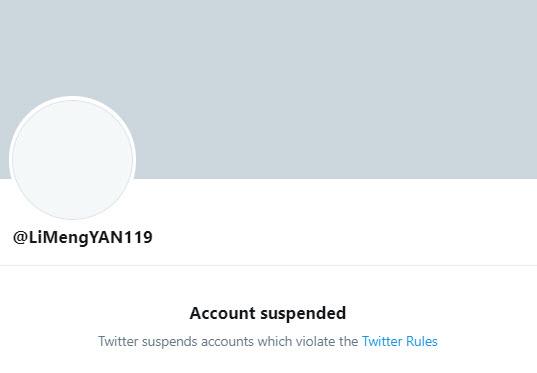
On Sunday afternoon we asked how long before the twitter account of the “rogue” Chinese virologist, Dr. Li-Meng Yan, who yesterday “shocked” the world of establishment scientists and other China sycophants, by publishing a “smoking gun” scientific paper demonstrating that the Covid-19 virus was manmade, is “silenced.”
We now have the answer: less than two days. A cursory check of Dr Yan’s twitter page reveals that the account has been suspended as of this moment.
The suspension took place shortly after Dr Yan had accumulated roughly 60,000 followers in less than 48 hours.

 Hellbound and Down
You must be logged in to post a comment.