
Ho fo’ ‘sho…

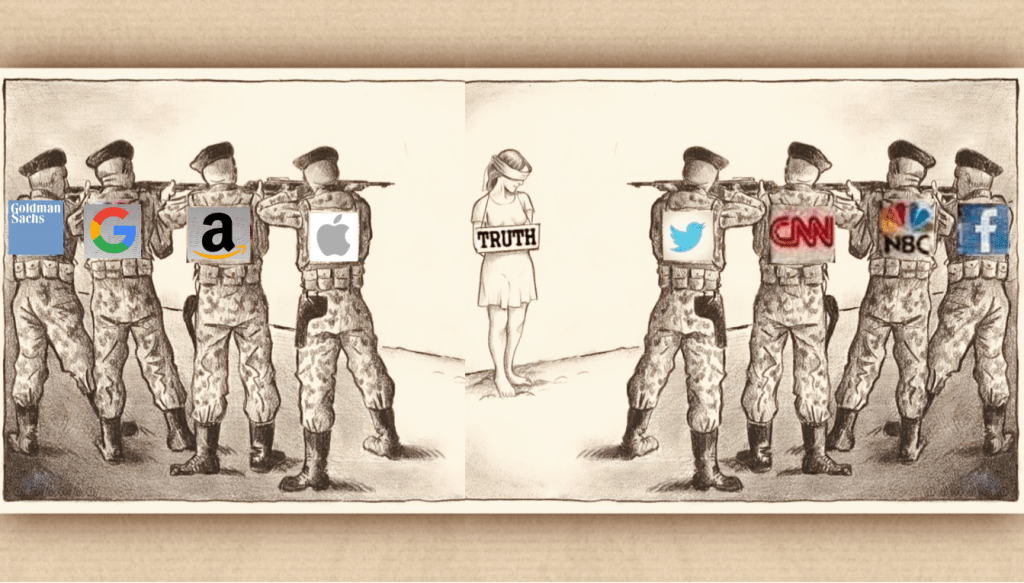
Twitter declared a free and open Internet to be “an essential human right in modern society” Saturday morning after the Nigerian government banned access to the social media giant following a dispute with its president – even as critics say it suppresses conservative content and bans its own users.
Twitter deleted a fiery tweet from President Muhammadu Buhari that many perceived as a veiled threat against violent separatists in the nation’s southeast – then his government’s information wing responded by banning the social media platform from the country.
Bing, the search engine owned by Microsoft, is not displaying image results for a search for “Tank man,” even when searching from the United States. The apparent censorship comes on the anniversary of China’s violent crackdown on protests in Tiananmen Square in 1989.
“There are no results for tank man,” the Bing website reads after searching for the term. “Tank man” relates to the infamous image of a single protester standing in front of a line of Chinese tanks during the crackdown.
China censors and blocks distribution of discussion of tank man and Tiananmen Square more generally. This year, anniversary events in Hong Kong have dwindled in size after authorities banned a vigil.

“In light of ongoing investigations into the origin of COVID-19 and in consultation with public health experts, we will no longer remove the claim that COVID-19 is man-made,” Facebook conceded, after the theory of a Chinese lab leak gained fresh currency.
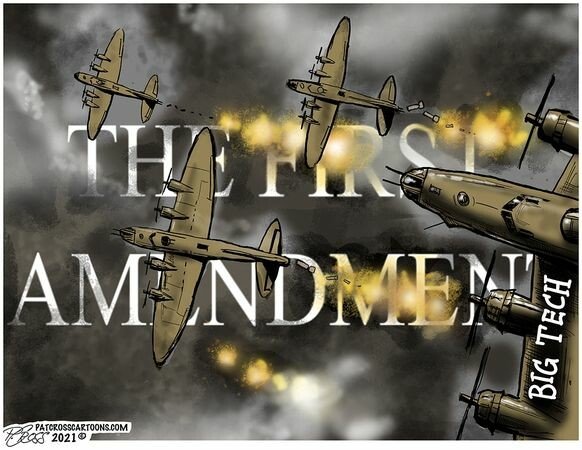
It was not the first time that an idea suppressed by the Silicon Curtain had been revived despite the best efforts of the Big Tech monopoly to suppress it.
But Facebook warned that it will go on censoring to “keep pace with the evolving nature of the pandemic and regularly update our policies as new facts and trends emerge,”
Wherever these new facts and trends emerge from, it won’t be from its platforms.
The social media monopoly isn’t admitting that it was wrong. What it’s actually saying is that it’s up to high level authorities to decide what is true and what people can be allowed to say.
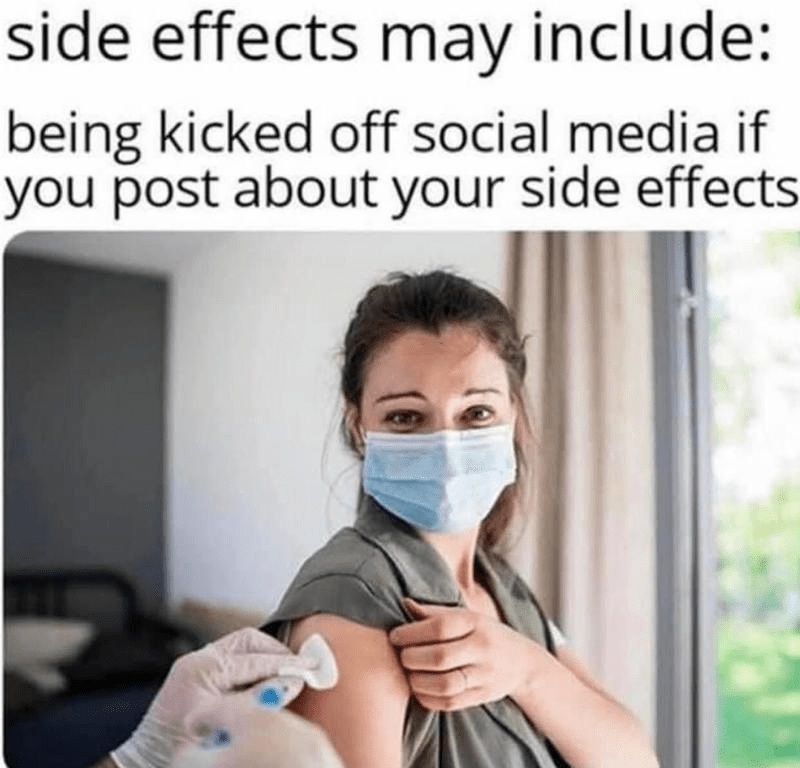
In 2020, anyone who shared information on social media about anything related to COVID-19 and the lab in Wuhan, China or that mentioned the possibility that COVID-19 was man-made, saw their post removed and may have even been banned. Facebook, Twitter, Google, the establishment media, and many in the government made it their primary mission to “dispel misinformation” over the origins of the COVID-19 virus.
The arbiters of truth in Big Tech claimed and vehemently pushed the idea — based only on theories — that the COVID-19 virus originated in nature, and anyone who challenged or questioned this view was a dangerous conspiracy theorist.
Twitter even took to completely removing the account of a Chinese virologist who came forward with these claims. Dr Li-Meng Yan, who was reportedly a post-doctoral researcher at the University of Hong Kong School of Public Health, had her Twitter account suspended after she claimed the coronavirus was created in a lab and put forth a trove of data to back up her claims.
Just one year ago, CNN put out a hit piece claiming that “Anthony Fauci just crushed Donald Trump’s theory on the origins of the coronavirus.” Anyone who claimed otherwise was fact-checked into oblivion, their profiles banned, and if they had pages, their reach was diminished to nothing, if not entirely removed.
It was established. The fact checkers were correct and anyone who challenged them was a danger to society. But the fact checkers who dismissed this information did not do so with “facts” at all. Instead, they simply promoted one theory over another. And now, they are eating their words.
Last May, Washington Post’s Fact Checker team reported that the “balance of the scientific evidence strongly supports the conclusion that the new coronavirus emerged from nature,” and their article was used to warn readers on Facebook who may have shared information which challenged this theory.
However, as the Washington Post just reported, last week, a group of 18 preeminent scientists published a letter in the journal Science saying a new investigation is needed, because “theories of accidental release from a lab and zoonotic spillover both remain viable.”
Now, Dr. Fauci has changed his stance on the matter, stating that these claims of lab origination somehow hold water a year later — despite “crushing” them last year.
 Hellbound and Down
You must be logged in to post a comment.