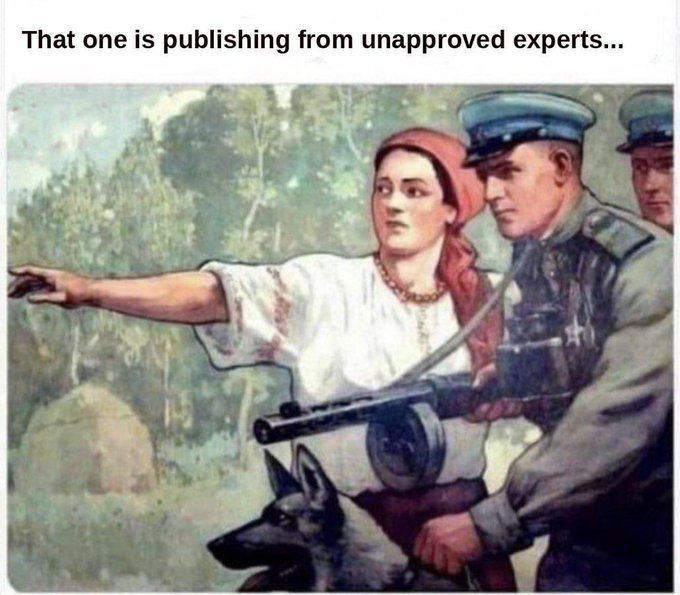
Deplatformed for wrongthink…


Google has explained how it keeps user reviews on Google Maps free from “abuse” in a new blog post, that also mentions moderating comments from people criticizing businesses for forcing masks or vaccine passports.
Meanwhile, Yelp also admitted removing tens of thousands of reviews in 2021 for violating its policies and similarly removed reviews that mentioned vaccine passports.
Sites that allow user reviews such as Yelp and Google Maps have updated their moderation policies because some businesses have been hit with bad reviews for implementing Covid-related measures.
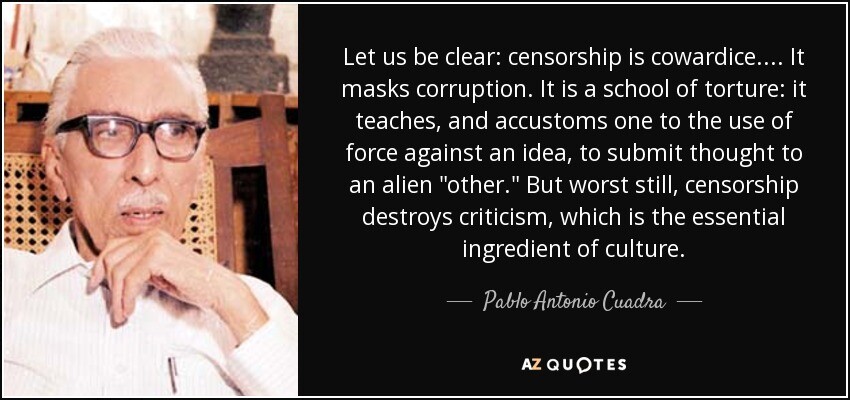
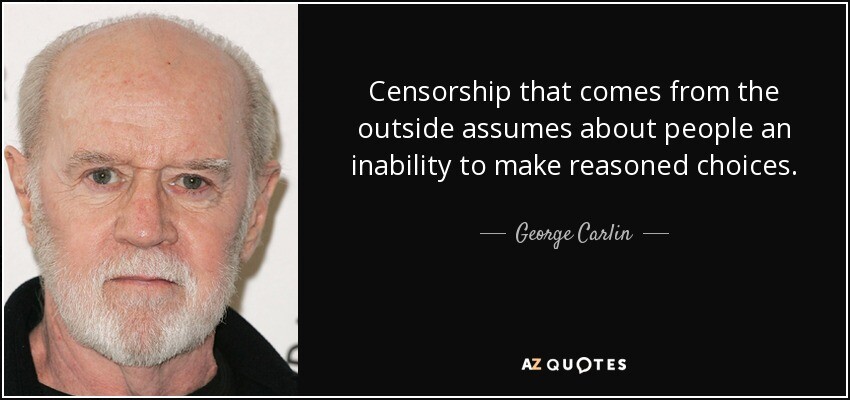
YouTube has a brand new censorship tactic that appears to be affecting small creators – and one that, on the face of it, makes no sense.
Several livestreams posted on Google’s platform last weekend by truckers protesting in Canada have had their audience limited. The reason given to viewers trying to access the videos? They were too popular.
“Video unavailable: This video is popular! Due to limited creator history, we’re limiting the number of viewers,” YouTube’s message reads, and then advises visitors to subscribe to the channel “to help this creator reach a broader audience.”
No word, though, on whether that would make the videos available to that broader audience, or if YouTube would come up with yet more “censorship gymnastics” while trying to suppress content it might not approve of.
Some incredulous Twitter users reacted by saying they were waiting for confirmation that the message was “a thing and not a meme.”
However, it definitely is a thing – and it’s not hard to see how YouTube would disapprove of the particular streams from the Ottawa protests, since they were organized by truckers opposed to Covid vaccine mandates. Reports mention that the giant platform limited viewership of at least two creators both livestreaming from the “Trucker Freedom Convoy” events.
The White House indicated Tuesday that Spotify’s attempts to address what they described as coronavirus “misinformation” on podcaster Joe Rogan’s interviews was not a strong enough response to the freedom of speech controversy.
Spotify announced a decision Sunday to include content advisory warnings on Rogan’s interviews about the coronavirus pandemic with sources dissenting from the government narrative about the virus.
“It’s a positive step but more can be done,” White House press secretary Jen Psaki said during the daily briefing on Tuesday.
Spotify acted to address the situation after musicians Neil Young and Joni Mitchell asked the company to remove their music from their platform as part of a protest of Rogan’s interviews.
But Psaki called on technology and media platforms to do more to censor what she described as “misinformation” about the virus.
“That certinaly includes Spotifly (sic) she said, mispronouncing the tech platform’s name.
Chelsea Clinton wants to talk about grifting. That’s just great.
The fruit, apparently, doesn’t fall that far from the global elitist narrative tree.
Perhaps looking to ride the coattails of those ganging up on “controversial anti-vaxx misinformation” (read: any uttered thought not handed down by Dr. Anthony Fauci from the heavens above) or perhaps looking to drum up support by her Twitter sycophants, Chelsea Clinton took to her Twitter account last week to lash out at Substack for providing a platform for free speech and for people to voluntarily subscribe to newsletters they’re interested in and willing to pay for.
Wow, sounds nefarious, Chelsea! Glad you stepped in.
The first daughter took exception with the “anti-vaxx grift” that is supposedly taking place on here on Substack, citing a Guardian article written last week as her source.
“A group of vaccine-sceptic writers are generating revenues of at least $2.5m (£1.85m) a year from publishing newsletters for tens of thousands of followers on the online publishing platform Substack, according to new research,” the Guardian wrote last week.
“Why is Substack facilitating science denialists’ ability to profit from destructive lies (and comfortable profiting themselves)?” Clinton asked.
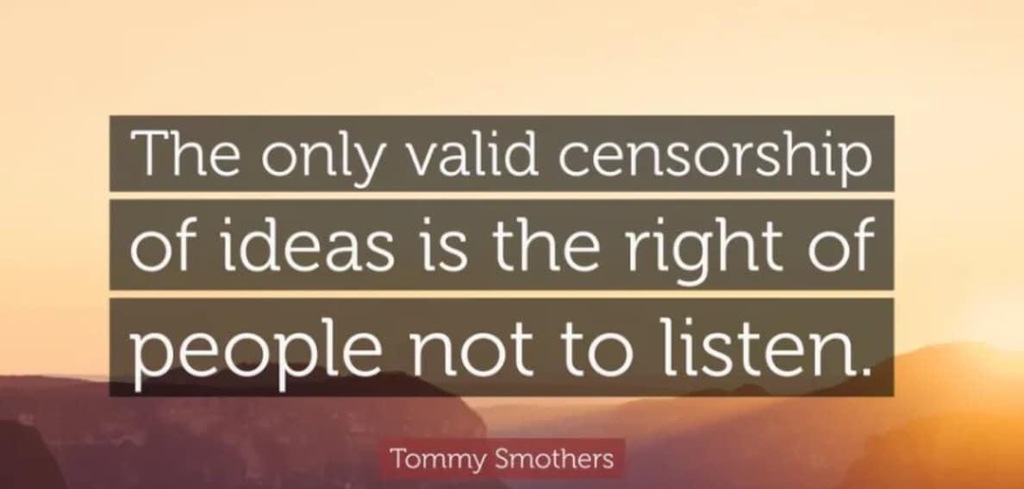
The Joe Rogan/Spotify controversy is still going on and has only gotten more vitriolic and intense. Claims that Spotify must walk away from its $200 million contract with the world’s most popular podcaster for promoting vaccine misinformation have sparked a lot of debates about freedom of speech, online censorship, what exactly those terms mean, and whether they can be correctly applied to the practice of Silicon Valley deplatforming.
When confronted with accusations of quashing free speech and promoting censorship, those who support online deplatforming in this or that situation will often respond with lines like “It’s not censorship, it’s just a private company enforcing its terms of service,” or “Nobody is obligated to give you a platform,” or “Freedom of speech isn’t freedom of reach,” or by posting the famous XKCD comic which says “If you’re yelled at, boycotted, have your show cancelled, or get banned from an internet community, your free speech rights aren’t being violated. It’s just that the people listening think you’re an asshole, and they’re showing you the door.”
And of course it’s true that nobody is legally guaranteed the right to speak on an independent online platform. But even if we ignore the fact that this censorship behavior is not being driven solely by the wishes of independent corporations and is in fact happening in increasingly close coordination with the US government whose officials openly threaten Silicon Valley platforms with repercussions if they don’t regulate speech, the fact that it is technically legal for those companies to silence voices they don’t like is not a sound argument. It doesn’t prove that censorship isn’t happening or that the deplatforming is okay, it just proves that it is technically legal for those giant monopolistic platforms to do those things. A casual glance at history shows that plenty of terrible things have been done which were perfectly legal at the time.
To really answer the question of whether the increasingly widespread practice of Silicon Valley censorship via algorithm and deplatforming is a major problem and whether an increase in speech restriction is desirable, we need to take a step back and ask ourselves why free speech even matters in the first place. Why is it something that’s written into constitutions and upheld as sacrosanct in so many nations? Why is it a value we’re told has supreme importance all our lives?
 Hellbound and Down
You must be logged in to post a comment.