The pain of irrelevance…

The Bush family has cashed in on friendship with former Chinese President Jiang Zemin, the architect of the Tiananmen Square massacre, for generations, Peter Schweizer documents in his new book Red-Handed: How American Elites Get Rich Helping China Win.
Schweizer, a veteran journalist documenting corruption in the U.S. government, has dedicated his new book to the sprawling financial ties between American elites and the Chinese Communist Party (CCP) – ties that have strengthened America’s most powerful geopolitical foe while undermining its top industries and threatening free speech and democracy.
Among the most longstanding and lucrative ties binding CCP elite to America’s wealthy is that forged by former President George H.W. Bush, who, Schweizer recalls in the book, was so beloved while serving as America’s top diplomat in China that then-President Deng Xiaoping “threw him a going-away party” in 1975, calling the Bushes “old friends.”
No one appears to have been in charge at Black Lives Matter for months. The address it lists on tax forms is wrong, and the charity’s two board members won’t say who controls its $60 million bankroll, a Washington Examiner investigation has found.
BLM’s shocking lack of transparency surrounding its finances and operations raises major legal and ethical red flags, multiple charity experts told the Washington Examiner.
“Like a giant ghost ship full of treasure drifting in the night with no captain, no discernible crew, and no clear direction,” CharityWatch Executive Director Laurie Styron said of BLM.
For those wondering why Joe Biden is soft on China, consider this never-before-reported revelation: The Biden family has done five deals in China totaling some $31 million arranged by individuals with direct ties to Chinese intelligence — some reaching the very top of China’s spy agency.
Indeed, every known deal that the Biden family enjoyed with Beijing was reached courtesy of individuals with spy ties. And Joe Biden personally benefited from his family’s foreign deals.
What are these deals? And who are the individuals who made them happen for the Bidens?
Here, then, are a few key facts about the Biden family’s $5 million-plus deals with individuals in bed with Chinese intelligence.
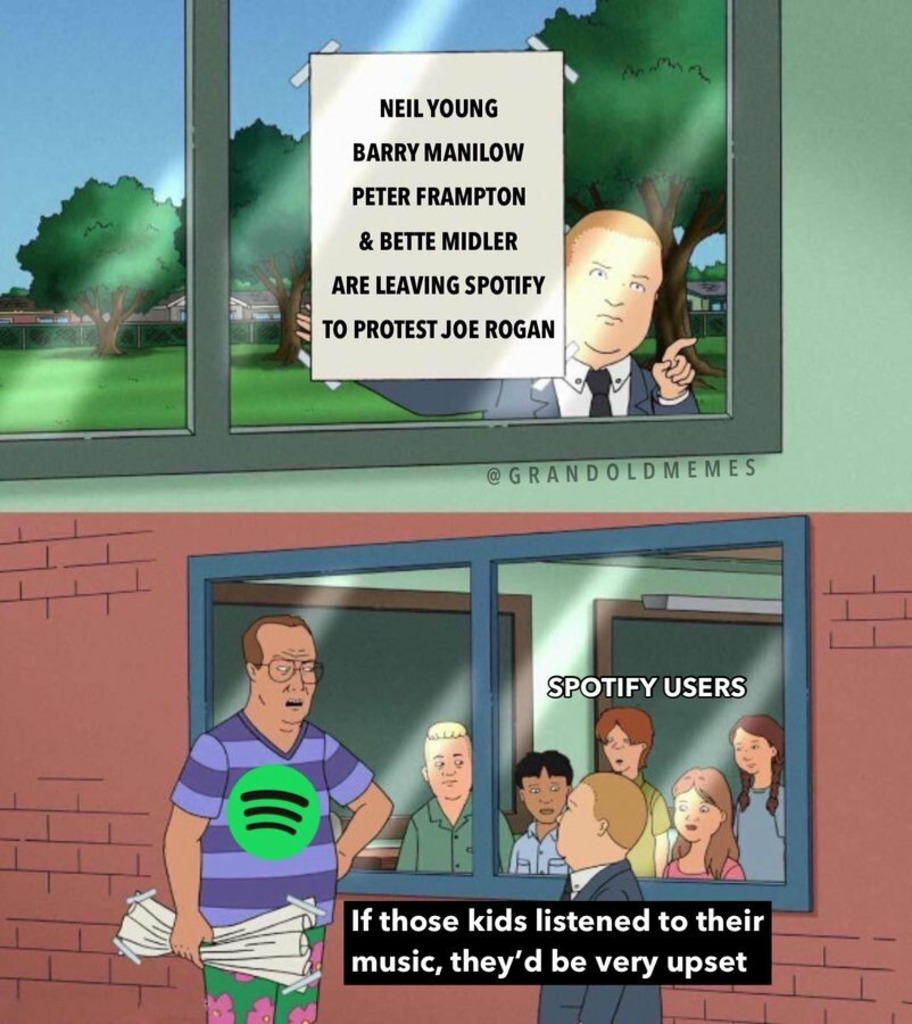
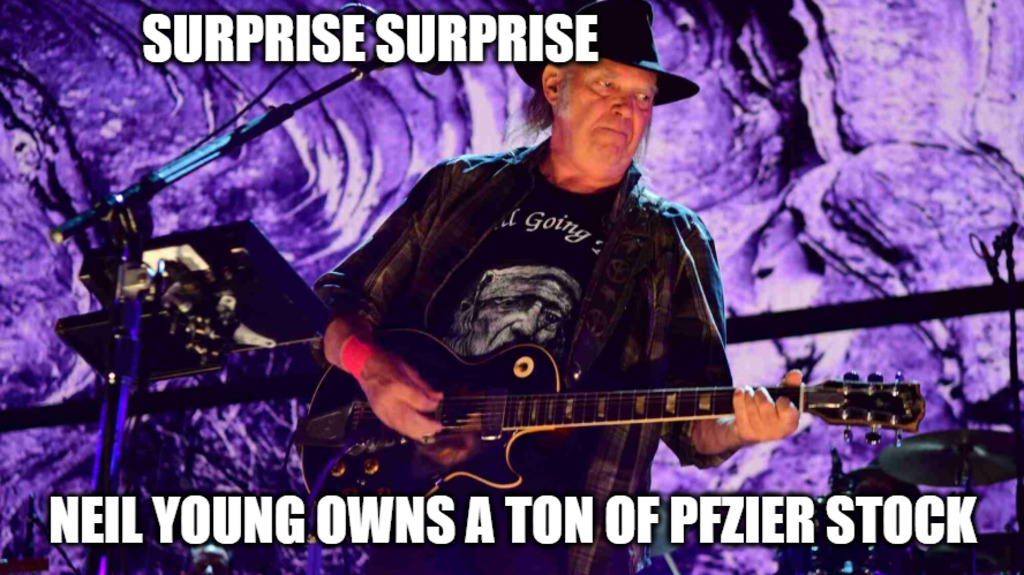
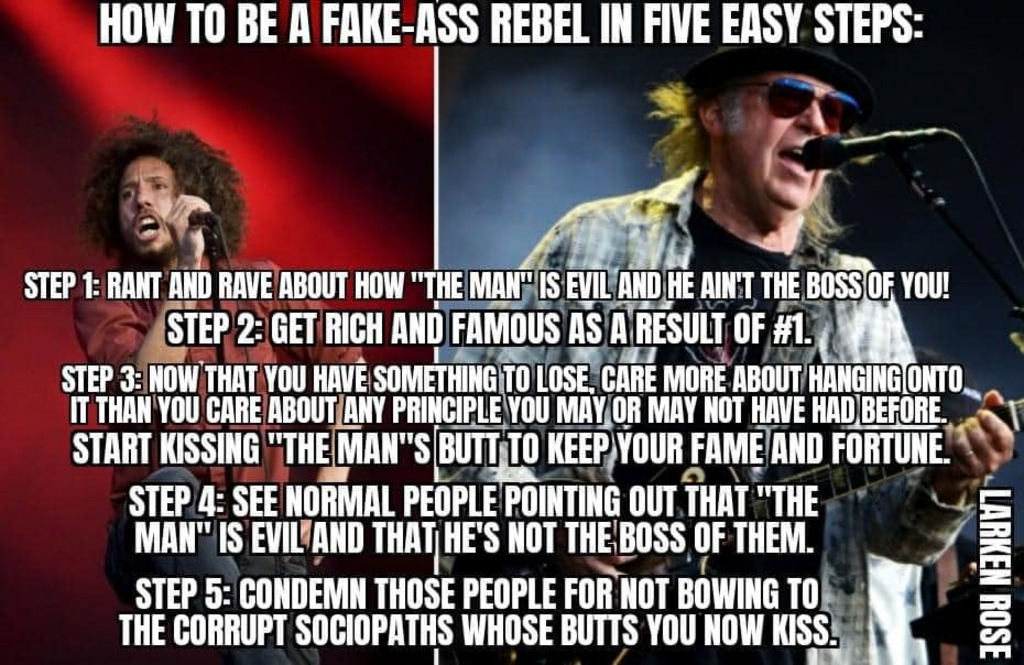
The globalist World Health Organization (W.H.O.) announced Thursday it sided with left-wing rocker Neil Young in his stand-off with podcaster Joe Rogan and streaming giant Spotify.
The move came after Spotify said it would pull the singer’s work from its platform following his demand the company either remove his music or blacklist Joe Rogan and his popular podcast.
W.H.O. chief Tedros Adhanom Ghebreyesus has now entered the fray. He announced he backed the veteran musician and thanked him for “standing up against misinformation and inaccuracies” around Covid vaccinations before stressing “we all have a role to play to end this pandemic and infodemic.”
“@NeilYoungNYA, thanks for standing up against misinformation and inaccuracies around #COVID19 vaccination,” Tedros tweeted.
“Public and private sector, in particular #socialmedia platforms, media, individuals — we all have a role to play to end this pandemic and infodemic.”
A 26-year old transgender woman who pleaded guilty to sexually assaulting a 10-year-old girl will be moved to a youth treatment center, despite prosecutor’s efforts to keep her in a Los Angeles County Jail.
LA County prosecutors said Hannah Tubbs, who identifies as female, also would not have to register as a sex offender once she finishes her two-year sentence.
Tubbs, who was busted for molesting a 10-year-old when she was a 17-year-old juvenile, will be sent to the kids lock up after LA County District Attorney George Gascón declined to file a motion to move the case out of juvenile court, where it was filed because of Tubbs’ age at the time of offense.
A judge in Antelope Valley, Calif. ruled Thursday that Tubbs would be moved to the youth treatment center immediately, where she will be kept with juvenile female prisoners.
At least 50,000 truckers in a 45-mile long ‘Freedom Convoy’ are heading to Ottawa to protest the Canadian government’s mandate for drivers crossing the US-Canada border to have the covid vaccine – and they’re being cheered on by Elon Musk.
Truckers left from British Columbia on Sunday and will be met in the nation’s capital on Saturday by other protesters driving from the east and the south of the country. The convoy has been joined by US truckers.
‘It’s 70 kilometers long,’ Benjamin Dichter, a spokesman for the Freedom Convoy 2022, told the Toronto Sun after it passed Calgary heading west on Wednesday.
‘I have seen footage from an airplane. It’s impressive.’
By Friday morning, the drivers were in Kingston, Ontario, which is about 110 miles from the capity. Several thousand people are expected to gather in the capital, and some of the group´s leaders are calling for a peaceful event, but statements from some associated with the group have included threats of violence.
The road in front of Parliament Hill is to be closed to general traffic. Buildings in the Parliamentary district are being closed and locked except for essential staff as of Friday and workers warned of threats of physical damage.
The convoy of truckers set to descend on the city has prompted police to prepare for the possibility of violence and politicians to warn against escalating rhetoric linked to the demonstration. A top Parliament official warned lawmakers to avoid the protest and to lock their doors amid reports their private homes may be targeted.
The truckers are, in part, protesting a new rule that took effect January 15 requiring truckers entering Canada be fully immunized against the coronavirus. The United States has imposed the same requirement on truckers entering that country January 22.
Elon Musk also tweeted praise for the truckers, saying: ‘If you scare people enough, they will demand removal of freedom. This is the path to tyranny.’


You must be logged in to post a comment.