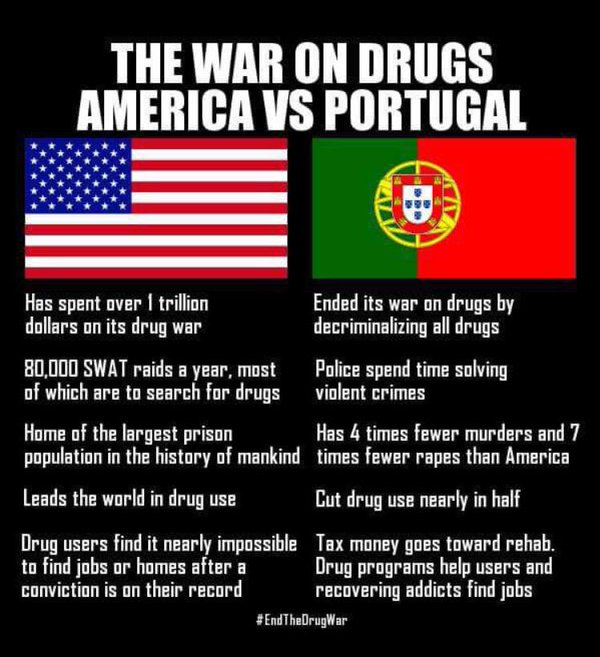
Who did it better?


The United States recorded over 81,000 drug overdose deaths in a 12-month stretch, the worst year-long total reported in American history.
The U.S. has long been struggling to combat the opioid epidemic, but experts say that the total between May 2019 and May 2020, published in a CDC report last week, can be at least partially attributed to the coronavirus pandemic.
Specifically, experts attribute the total to the pandemic’s disruption of in-person treatment and recovery when it began to spread nationwide in March. Americans who suffered from drug use were also increasingly likely to use drugs alone once they entered quarantine and were kept away from others, upping the risk that an overdose would prove fatal since nobody was available to contact already-burdened emergency services, the CDC report outlines.
Experts also said that already-lethal drugs themselves have become even more dangerous; since the pandemic caused supply problems for cartels and dealers, they mixed extremely potent drugs like fentanyl into heroin, cocaine and methamphetamine.
A friend who was noodling around the AccuWeather Inc. website today found this depressing item: “Why Have Midwestern Towns Banned a Beloved Winter Pastime?“
The article, which seems like it might just sit in a slush pile on the site’s news desk and await recycling every snow season, discusses a few horrible sledding injury lawsuits that drained the coffers of Omaha, Nebraska and Sioux City, Iowa.
“According to a study from The Center for Injury Research and Policy (CIRP) at Nationwide Children’s Hospital, more than 20,000 Americans younger than age 19 receive treatment for sledding-related injuries each year,” notes the article.


More evidence against the unexpected and unprecedented world and WHO response to the crisis in 2020 is provided in this 91-page 2019 WHO report entitled “Non-pharmaceutical public health measures for mitigating the risk and impact of epidemic and pandemic influenza”. The word “lockdown” (one form of a non-pharmaceutical intervention or NPI) does not appear in this report. Nor does the WHO report even recommend masks (a favourite 2020 NPI) in case of an epidemic, though it does advocate their use for symptomatic individuals.
On the effect of NPIs, the report stated: “The evidence base on the effectiveness of NPIs in community settings is limited, and the overall quality of evidence was very low for most interventions. There have been a number of high-quality randomised controlled trials (RCTs) demonstrating that personal protective measures such as hand hygiene and face masks have, at best, a small effect on influenza transmission, although higher compliance in a severe pandemic might improve effectiveness” (emphasis added). Yet, for COVID-19, NPIs were recommended in bundles by WHO and other experts.
As is universally acknowledged, the WHO is the apex body for advice and guidance for health problems. It houses leading epidemiological experts and before COVID, they were advocating policies reminiscent of earlier confrontations with viruses.
Given this history, it remains a mystery as to why the world entered into a lockdown. In my paper, I report the result of various studies on the effectiveness of lockdowns; except for a few, most of these studies report that the lockdowns were highly successful in saving hundreds of thousands of lives. Since the average death rate from COVID is 2.5 per cent, these results imply that somewhere between 10 to 20 million less infections resulted from this unnatural experiment.

A Boston doctor suffered a serious allergic reaction to Moderna’s coronavirus vaccine, the first of its kind documented, a report said Friday.
Dr. Hossein Sadrzadeh, a geriatric oncologist at Boston Medical Center, became dizzy and felt his heart racing minutes after receiving the vaccine on Thursday, he told The New York Times.
“It was the same anaphylactic reaction that I experience with shellfish,” Dr. Sadrzadeh told the paper, noting that his tongue became numb, his blood pressure plummeted and he broke into a cold sweat.
“I don’t want anybody to go through that.”


You must be logged in to post a comment.