
“Once a country in which each man could by and large make the decisions for his own life, we have become a land where the state holds and exercises life-and-death power over every person, group, and institution.”
Murray Rothbard
Author: HP McLovincraft
Seeker of rabbit holes. Pessimist. Libertine. Contrarian. Your huckleberry. Possibly true tales of sanity-blasting horror also known as abject reality. Prepare yourself. Veteran of a thousand psychic wars. I have seen the fnords. Deplatformed on Tumblr and Twitter.
Totally #notracist
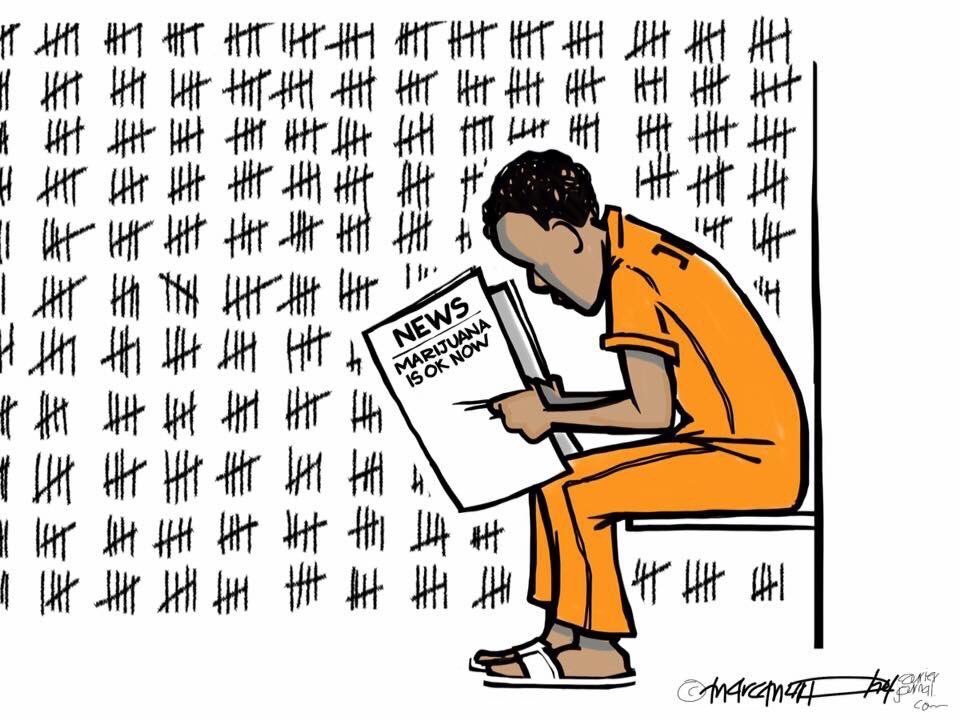
The War on (some) Drugs
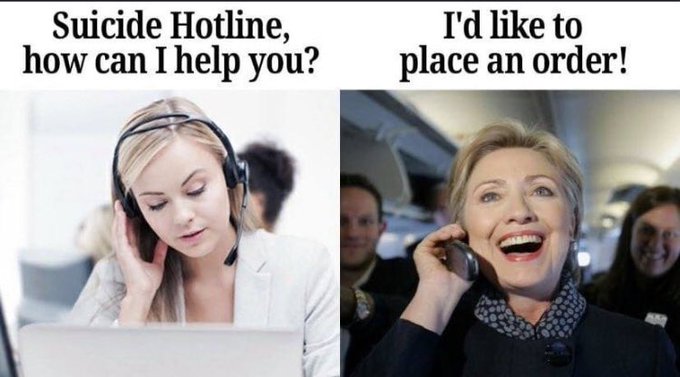
Suicided Hotline?
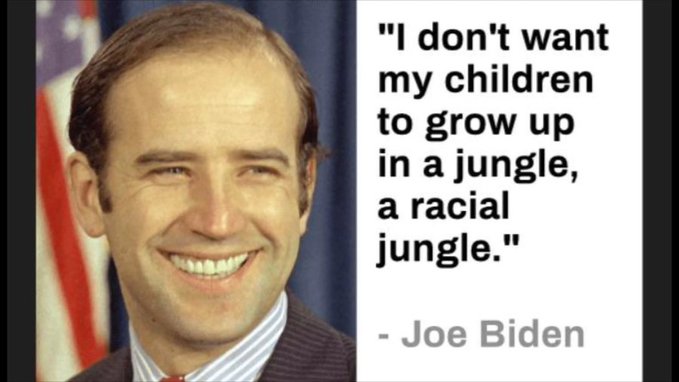
Pepperidge Farm remembers…

George Carlin’s 1st rule:

Einstein on War…

Don’t be afraid…

Ibogaine May Help Us Better Understand Substance Use Disorders, but Will it Solve the Opioid Crisis?
Among the drugs used in withdrawal treatments, ibogaine is unique. Most substances administered to patients in rehab are intended to temporarily allay withdrawal pains. The name of the practice, “substitution therapy,” already implies its flaws (ones with which Juliana was well acquainted). Ibogaine treatment, in contrast, goes after the addiction itself. It puts people into what’s often described as a “waking dream” state, with effects lasting for more than 10 hours.
“It’s not a hallucinogen like LSD. It’s not like you’re sitting there awake watching the trails on the wall,” describes Dana Beal, one of the world’s leading ibogaine activists who has experienced the effects of ibogaine firsthand. “You close your eyes and go into a waking dream. You’re paralyzed because you can’t summon the will to move. You just want to lie in a quiet room, left alone to review your lifetime of memories.”
In one small study, published in The American Journal of Drug and Alcohol Abuse in 2018, 50 percent of patients reported not using opioids in the previous 30 days at the three-month check-up following their ibogaine treatment. In comparison, says Ken Alper, associate professor of psychiatry and neurology at NYU School of Medicine, one-third to half of patients fail to even complete detoxification treatment using methadone, buprenorphine, and klonopin, today’s three most common drugs for opioid withdrawal symptoms. Among the people who do complete detoxification with these drugs, roughly half are still sober after four to five months.
“[Ibogaine] is the anti-drug,” says Beal, who along with researchers Howard Lotsof and Norma Alexander, studied ibogaine’s therapeutic effects. “You come out and you don’t want to do any more ibogaine, and you don’t want to do a lot of drugs after taking ibogaine.”
A Teenager Didn’t Do Her Online Schoolwork. So a Judge Sent Her to Juvenile Detention.
One afternoon in mid-June, Charisse* drove up to the checkpoint at the Children’s Village juvenile detention center in suburban Detroit, desperate to be near her daughter. It had been a month since she had last seen her, when a judge found the girl had violated probation and sent her to the facility during the pandemic.
The girl, Grace, hadn’t broken the law again. The 15-year-old wasn’t in trouble for fighting with her mother or stealing, the issues that had gotten her placed on probation in the first place.
She was incarcerated in May for violating her probation by not completing her online coursework when her school in Beverly Hills switched to remote learning.
 Hellbound and Down
You must be logged in to post a comment.