
Stage 4 looms…

A New York City psychiatrist, who told Yale University students that she fantasizes about shooting white people, now claims that her comments were taken “out of context.”
In April, Dr. Aruna Khilanani delivered a virtual speech for a Yale panel discussion wherein she said that she has “fantasies of unloading a revolver into the head of any white person that got in my way, burying their body and wiping my bloody hands as I walked away relatively guiltless with a bounce in my step. Like I did the world a f***ing favor.”
In an email to the New York Times, Khilanani said that she was attempting to use “provocation as a tool for real engagement” and that her words had been taken out of context in an attempt to “control the narrative” around race.

A speaker at an armed march in Oklahoma to mark the 100th anniversary of the Tulsa Race Massacre told the crowd that the ultimate goal of the movement was to “kill everything white in sight.”
Yes, really.
Billed as a ‘Second Amendment March for Reparations’, individuals from the New Black Panther Party marched through downtown Tulsa to draw attention to “racism, inequality, wealth disparity, police brutality and the like.”
Eager to fan the flames of racial division yet again, the establishment media and other cultural institutions have also been heavily promoting the 100th anniversary of the Tulsa Race Massacre in yet another example of institutionalized anti-white racism.
However, one of the speakers at the event let slip what the militant groups present actually had in mind during an address to attendees.
“The time is coming rat a tat tat…kill everything white in sight!” he said.
So much for the tolerant left!
All joking aside, while the groups involved in the march are distinct entities from Black Lives Matter, an organization that enjoys lavish establishment and corporate support, the rhetoric is barely any different.
During the George Floyd riots, BLM agitators were heard shouting, “shoot the white folks!”
Over the past several years, the city of New York has been loosening their grip on the war on cannabis. In 2014, Patrolmen’s Benevolent Association president Patrick Lynch famously grabbed a bad of oregano and gave a fear mongering speech about what was going to happen after New York stopped arresting people for possessing less than 25 grams of pot.
“We do not want police officers left holding the bag if crime rises because of poor policy,” Lynch said. “Writing a summons to someone who does not respect the law can result in a volatile situation. Police officers always have to be on guard for violent reaction and resistance which can put them in danger of physical harm and potential disciplinary charges.”

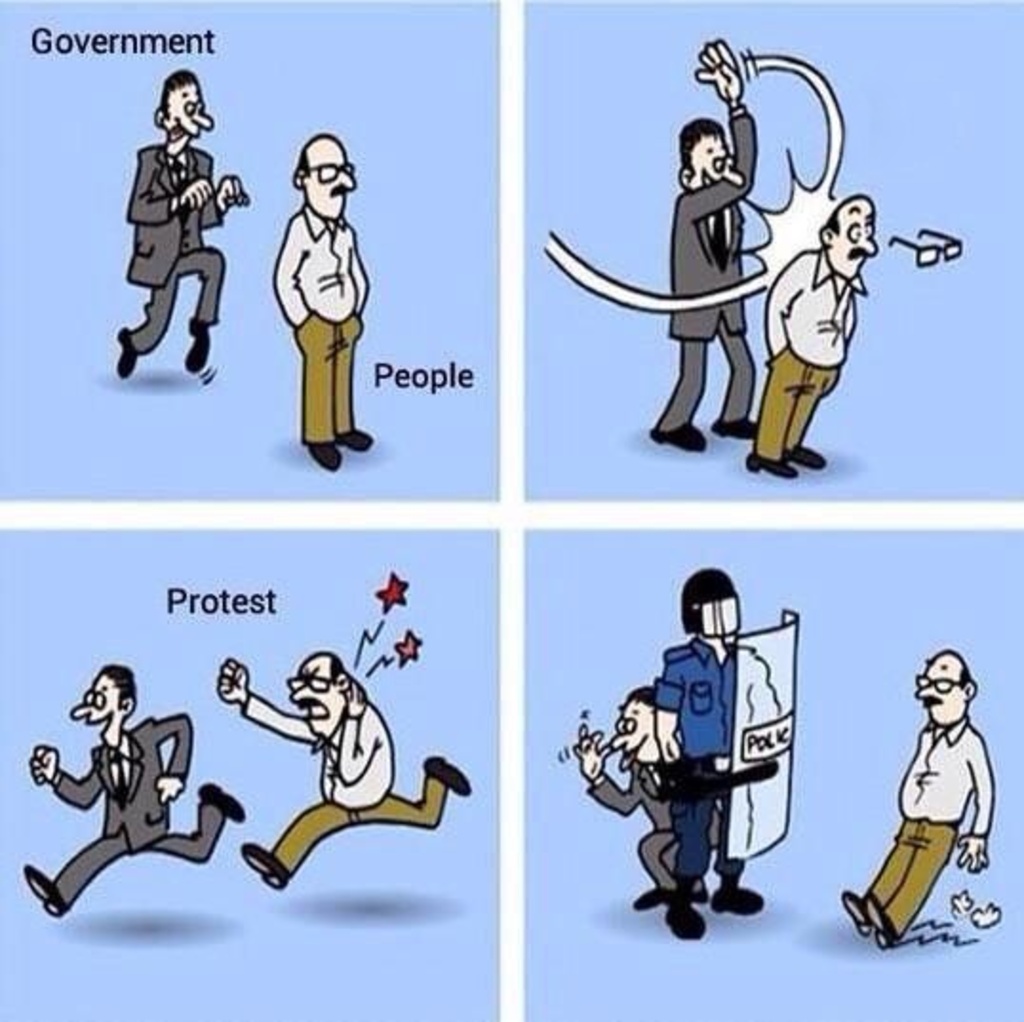
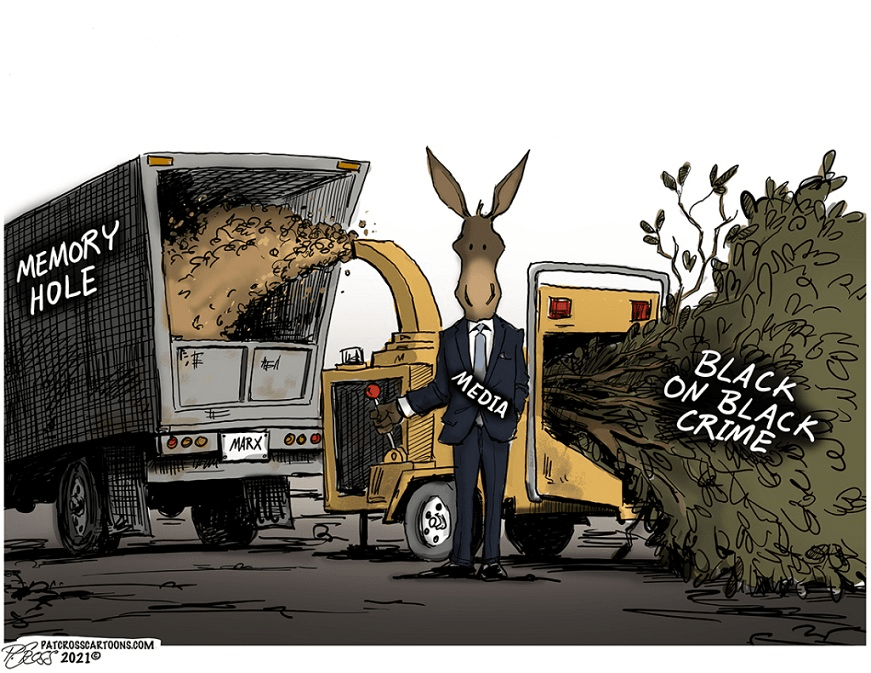

New documents obtained by Townhall show Democratic Congresswoman Maxine Waters requested an armed police escort to Minneapolis over the weekend, where she called for violent activists to “stay in the streets” during a protest against law enforcement.
Waters flew from Dulles International Airport to Minnesota-St. Paul International Airport on Saturday, April 17, just days ahead of a verdict in the George Floyd, Officer Derek Chauvin trial.
That night, Waters went to meet with protestors and demanded a guilty verdict for Chauvin “or else.”
“I know this, we’ve got to stay in the streets,” Waters said to a group of activists. “We are looking for a guilty verdict.”
“If nothing does not happen then we have to not only stay in the streets but we have to fight for justice,” she continued. “I am very hopeful and I hope that we are going to get a verdict that is guilty, guilty, guilty and if we don’t, we cannot go away.”
 Hellbound and Down
You must be logged in to post a comment.