
Tag: the war on (some) drugs
Virtue signaling…

D.A.R.E. Cop Arrested on 122 Charges for Raping Boys While Telling Them Not to Do Drugs
The Drug Abuse Resistance Education (D.A.R.E.) program should better be called an hilarious exercise in how not to convince kids to keep away from substances the state deems illegal. As cops hopped on their high horses and had children pledge not to do drugs, the rate of drug use skyrocketed — thrusting the country into one of the worst drug epidemics in human history. The hypocrisy by the cops who pushed the D.A.R.E. program has been well-documented over the years, explaining, at least in part, as to why the program was such a failure from the start. Now, another cop who pushed kids to ‘just say no’ has been arrested and accused of disturbing criminal activity.
Warminster Township Police Officer James Carey swore an oath to protect the children of Doylestown and instead of protecting them, according to a recent indictment, this cop preyed on them. Adding to the insidious nature of Carey’s alleged crimes against children is the fact that he committed them while pretending to be a role model as the school district’s D.A.R.E. officer.
Carey, 52, is facing over 100 charges, announced by Bucks County District Attorney Matt Weintraub on Wednesday. A grand jury presented a whopping 80-page indictment against Carey detailing 122 counts of involuntary deviate sexual intercourse, statutory sexual assault, aggravated indecent assault and other related charges.
Carey is accused of raping multiple boys while working as the D.A.R.E. officer at elementary, middle and high schools in the Centennial School District. The incidents allegedly spanned the course of decades taking place between 1987 and 2009 and involved at least four boys.
Peer pressure…
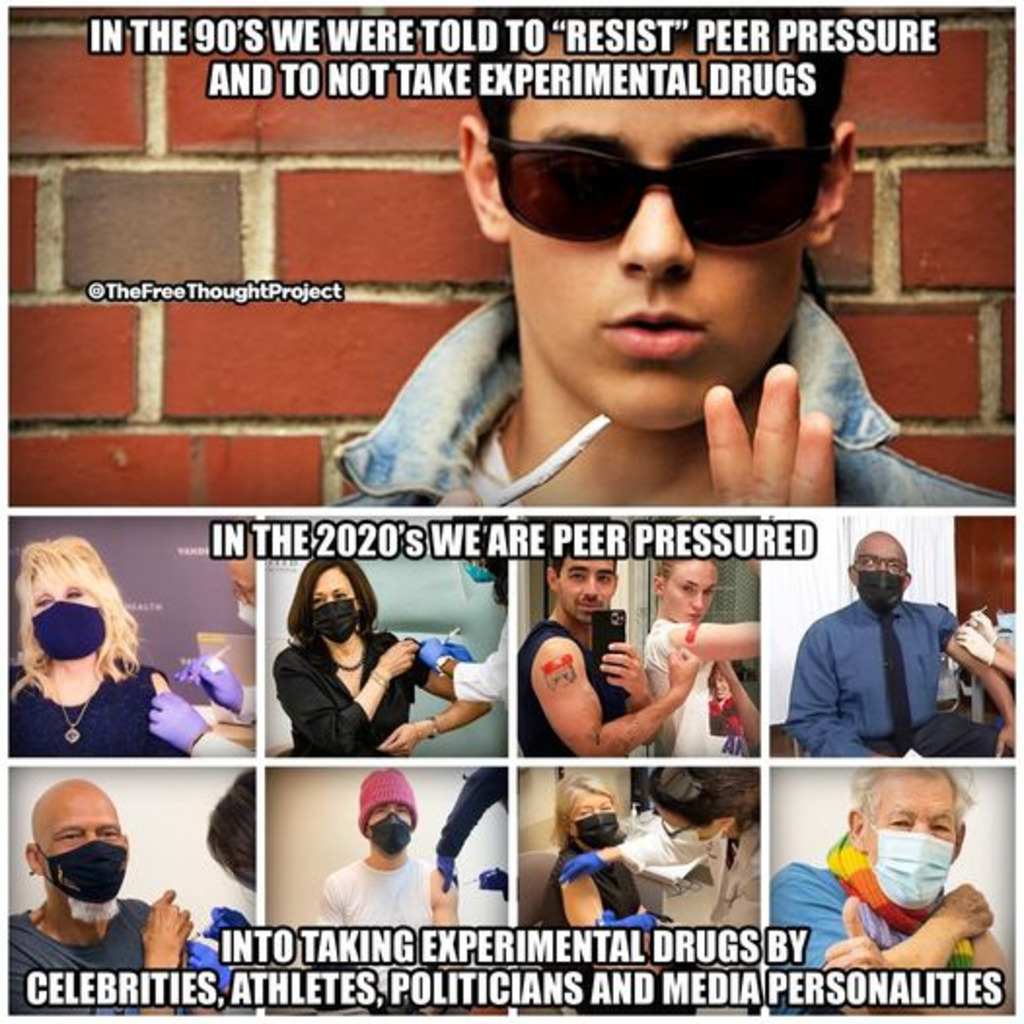
Just say no!

Where’s the justice in this?

Let that sink in…

Political prisoners…

Land of the free fail…

The Smartest Guy Joe Biden Knows: Hunter Biden Says He Smoked Parmesan Cheese, Mistaking it For Crack
This is the smartest guy Joe Biden knows.
Joe Biden’s deviant spawn Hunter sat down for an interview with CBS Sunday Morning host Tracy Smith to promote his ‘memoir’ Beautiful Things.
“I spent more time on my hands and knees picking through rugs, smoking anything that remotely resembled crack cocaine — I probably smoked more parmesan cheese than anyone that you know, Tracy,” Hunter said.
“I went one time for 13 days without sleeping, and smoking crack and drinking vodka throughout that entire time,” he said.


You must be logged in to post a comment.