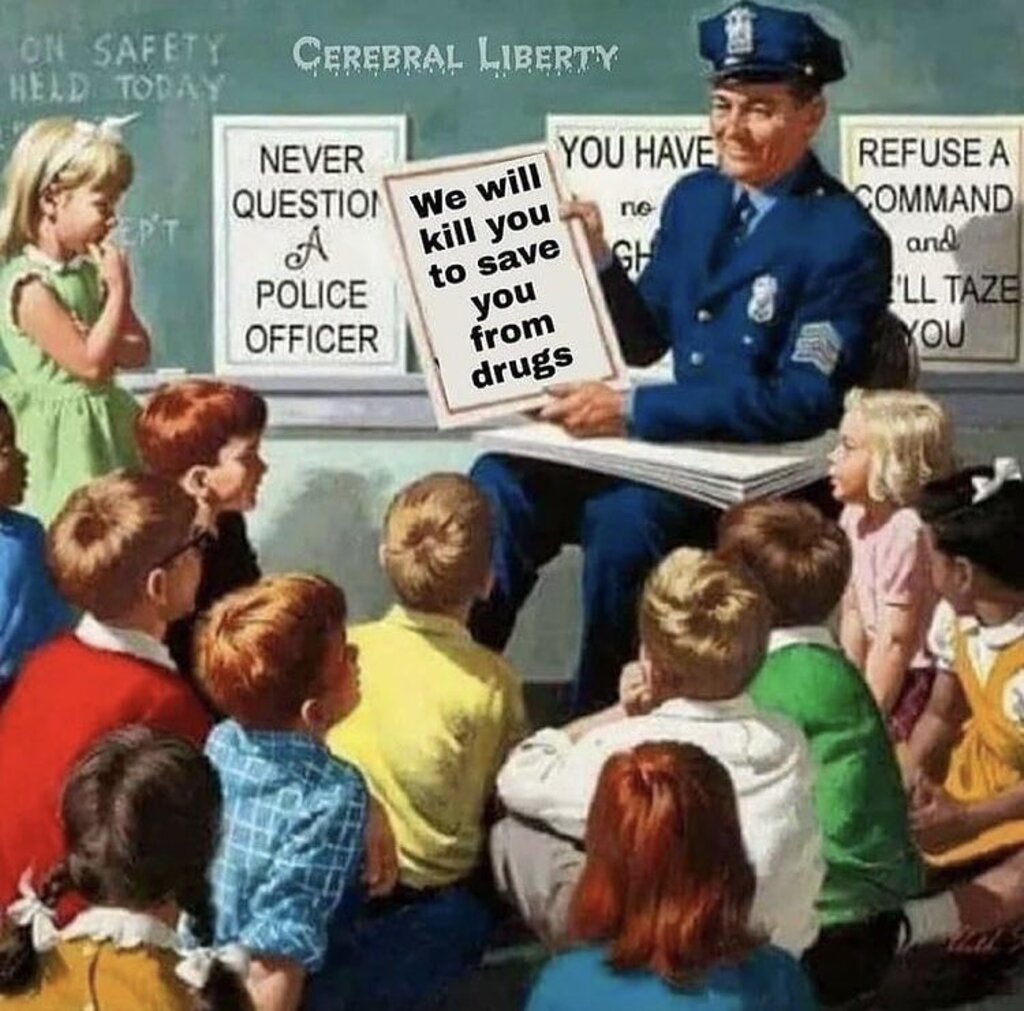
There’s no infraction so small they won’t kill you…


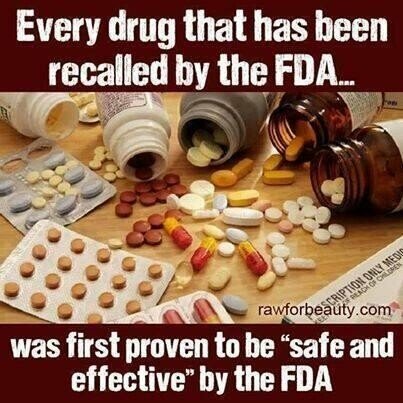


With each day that passes, the number of lives lost in COVID-19-related deaths continues to tragically grow. However, in a less noticed but equally important trend, we continue to gain insight into the countless deaths caused by lockdown measures intended to stop the virus’s spread.
The latest entry into this tragic account is a new data set showing drug overdose deaths skyrocketed in 2020 amid the height of pandemic lockdowns.
“New data shows that more Americans died of drug overdoses in the year leading to September 2020 than any 12-month period since the opioid epidemic began,” Axios reports. “The stubborn increase of such ‘deaths of despair’ shows that the opioid epidemic still has room to grow and that some of the social distancing steps we took to rein in the pandemic may have brought deadly side effects.”
Released this week by the Centers for Disease Control, the figures show that at least 87,000 people died from overdoses from October 2019 to September 2020. This amounts to a 29 percent increase from the same period in the previous year.
A study carried out by researchers at the Centre for Psychedelic Research at Imperial College London has led to breakthrough discoveries about the impact psilocybin, or magic mushrooms, has on depression. The study found that treating depression with psilocybin may be at least as effective, if not more effective as antidepressants.
According to researchers, in the most rigorous trial to date assessing the therapeutic potential of a ‘psychedelic’ compound, researchers compared two sessions of psilocybin therapy with a six-week course of a leading antidepressant (a selective serotonin re-uptake inhibitor called escitalopram) in 59 people with moderate-to-severe depression.
The results of the study were recently published in the New England Journal of Medicine. According to the study, both groups had reduced symptoms of depression, however, the reductions occurred more quickly in the psilocybin group and were greater in magnitude.
After six weeks, the self-reported results from the patients suggested the psilocybin was just as effective as the pharmaceutical, and in many cases showed a slightly bigger – but ultimately statistically insignificant – improvement in symptoms.
“We strongly believe that the … psychotherapy component is as important as the drug action,” Imperial College London neuroscientist Robin Carhart‑Harris said.


You must be logged in to post a comment.