
All you can be…


In our upside-down world, good guys often go to jail, and bad guys get promoted and live luxuriously.
Ex-President Barack Obama, a key architect of modern drone warfare, today lives in an $11.75 million, 6,892 square-foot waterfront mansion on a 30-acre property on Martha’s Vineyard, and is regarded by many people as a great moral leader.
Donald Trump, who expanded the drone war even further than Obama, is also enjoying life these days at his $160 million Mar-a-Lago estate in Palm Beach, Florida.
Daniel Hale, by contrast, a principled former Air Force officer and defense contractor who publicly exposed the drone program, will likely be spending at least the next two years in federal prison.
On March 31st, Hale pleaded guilty in the Eastern District of Virginia to one count of illegally retaining and transmitting classified national defense information in violation of the Espionage Act of 1917.
The documents pertaining to the U.S. drone war were transmitted to The Intercept reporter Jeremy Scahill in 2014/5 and published as part of a series called “The Drone Papers.”


On April 8, 2020, President Biden addressed the public concerning new executive orders he is planning on putting through.
This will be on top of the forty-eight other executive orders that have already come from the man who just last October was saying, “I have this strange notion—we are a democracy … [there are] things you can’t do by executive order unless you are a dictator. We’re a democracy, we need consensus.” He’s already surpassed both Trump and Obama in executive orders issued during the first four months of their respective presidencies.
It looks like the next EOs Biden aims at mandating are related to the topic of gun control: “Gun violence in this country is an epidemic. Let me say it again. Gun violence in this country is an epidemic.” This is ironic coming from the former vice president of the Obama administration, which started regime change wars in countries like Yemen, Libya, and Syria which in large part included supplying certain “moderate” rebel groups like al-Nusra and ISIS with weapons, cash, and intelligence support that was ultimately used to slaughter innocent men, women, and children.


Last year Senator Bernie Sanders led a public push to reduce the insanely bloated US military budget by a paltry ten percent. His push splatted headfirst against a bipartisan solid steel wall which shut him down definitively.
Sanders’ bill was killed in the Senate by a vote of 23 to 77, with half of Senate Democrats stepping up to help Republicans stomp it dead. It’s companion bill in the House of Representatives was killed by a margin of 93 to 324, with a majority of House Democrats (92 to 139) voting nay.
Contrast those numbers with those who voted to approve Trump’s $741 billion military budget this past December. The House voted to approve the National Defense Authorization Act (NDAA) budget by a margin of 335 to 78, 195 of those yes votes coming from the Democratic side of the aisle. The Senate passed that same budget by 84 to 13. This was a substantial increase from the previous year’s budget, a trend which has remained unbroken for years.

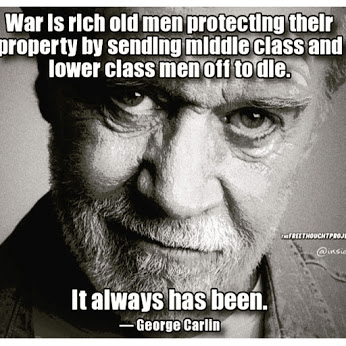
 Hellbound and Down
You must be logged in to post a comment.