A Pandemic of Surveillance

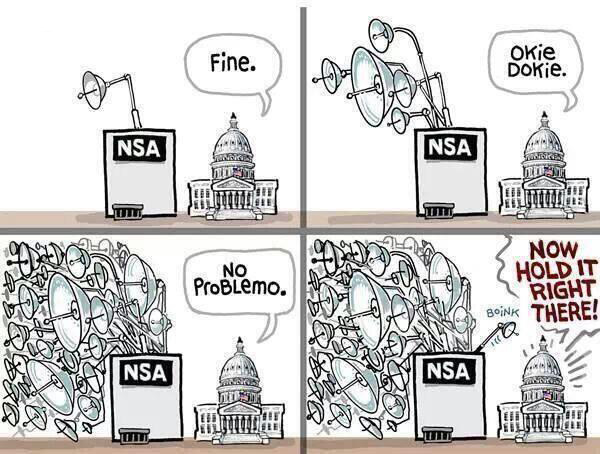
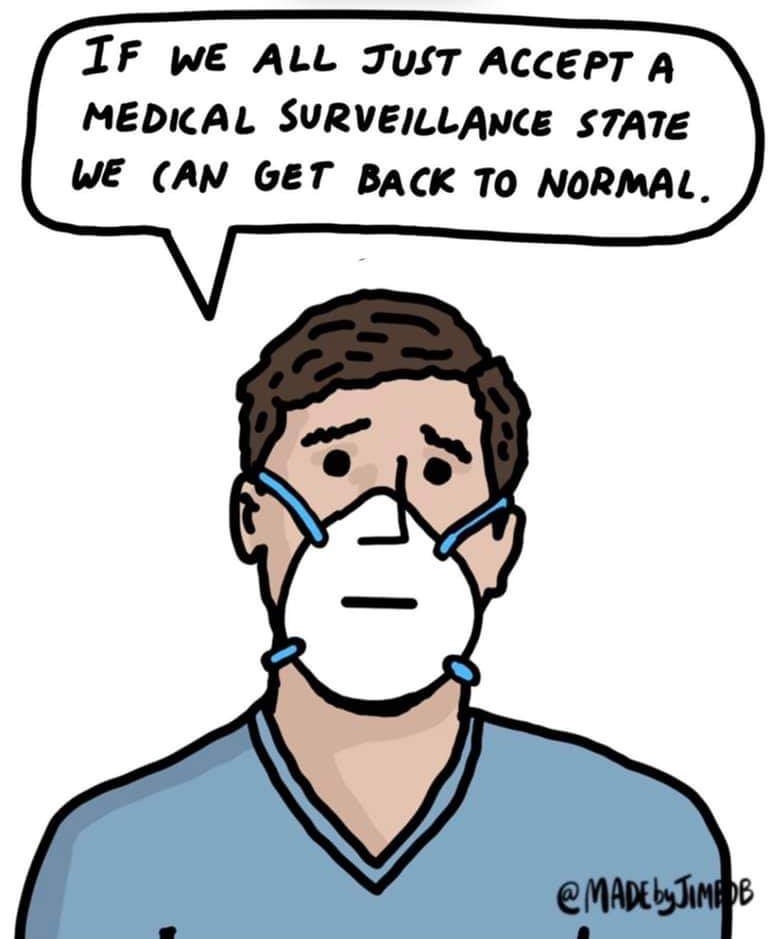
Pandemic maps are all the rage, these days, but the latest one from the Electronic Frontier Foundation (EFF) is a little different; instead of viral hotspots, it displays a plague of official snoopiness, arranged by location and sortable by technology. While it documents intrusions that predate the current crisis, the Atlas of Surveillance is all too relevant to the age of coronavirus. Concerns about curtailing contagion help to normalize detailed scrutiny of people’s lives and drive us toward a pervasive surveillance state.

“The Atlas of Surveillance database, containing several thousand data points on over 3,000 city and local police departments and sheriffs’ offices nationwide, allows citizens, journalists, and academics to review details about the technologies police are deploying, and provides a resource to check what devices and systems have been purchased locally,” EFF announced on July 13.

Users can click on the map to see what surveillance technologies are used in specified localities. If you want to see what’s going on in your area, the map is searchable by the name of a city, county, or state. The map can also be filtered according to technologies such as body-worn cameras, drones, and automated license plate readers.

Keep reading

Customs to Expand License Plate Reading Program Nationwide

The Customs and Border Protection agency has been collecting vehicle information at the border using license plate readers for years. Now, the agency will begin incorporating third-party license plate reader data collected from local governments, law enforcement and the private sector and maintained by a commercial vendor.

privacy impact assessment published July 7 outlines the agency’s plan to incorporate datasets maintained by third-party vendors as part of its investigations. The latest update is the first since December 2017, when CBP authorized the use of license plate readers for data collection.

“To meet its vast mission requirements, CBP relies on a variety of law enforcement tools and techniques for law enforcement and border security,” the PIA states. “One such tool is license plate reader (LPR) technology, which consists of high-speed cameras and related equipment mounted on vehicles or in fixed locations that automatically and without direct human control locate, focus on, and photograph license plates and vehicles that come into range of the device.”

Each data collection—or “read”—gathers the vehicle’s license plate number; an image of the vehicle, including make and model; where it is registered; the location and owner of the camera; and any associated location information, including GPS coordinates. “LPR technology may also capture—within the image—the environment surrounding a vehicle, which may include drivers and passengers,” the impact assessment notes.

Keep reading

THE MICROSOFT POLICE STATE: MASS SURVEILLANCE, FACIAL RECOGNITION, AND THE AZURE CLOUD

NATIONWIDE PROTESTS AGAINST racist policing have brought new scrutiny onto big tech companies like Facebook, which is under boycott by advertisers over hate speech directed at people of color, and Amazon, called out for aiding police surveillance. But Microsoft, which has largely escaped criticism, is knee-deep in services for law enforcement, fostering an ecosystem of companies that provide police with software using Microsoft’s cloud and other platforms. The full story of these ties highlights how the tech sector is increasingly entangled in intimate, ongoing relationships with police departments.

Microsoft’s links to law enforcement agencies have been obscured by the company, whose public response to the outrage that followed the murder of George Floyd has focused on facial recognition software. This misdirects attention away from Microsoft’s own mass surveillance platform for cops, the Domain Awareness System, built for the New York Police Department and later expanded to Atlanta, Brazil, and Singapore. It also obscures that Microsoft has partnered with scores of police surveillance vendors who run their products on a “Government Cloud” supplied by the company’s Azure division and that it is pushing platforms to wire police field operations, including drones, robots, and other devices.

Keep reading

The Surveillance State: How to Disappear

With each passing day, supposedly ‘free and democratic’ western governments are working overtime to emulate the type of surveillance states we see in countries like China and North Korea. The goal is 24/7 digital tracking of every citizen, and this authoritarian agenda is being accelerated during the current manufactured COVID-19 ‘crisis.’ Besides going off-grid to a remote rural area, is it still possible to opt-out? 

To answer this question, you will first need to audit which lines of tracking are currently in use.

Is it possible for a person to successfully evade this rapidly emerging Orwellian grid of surveillance and social control?

Even when wearing a mask in public, the State and its corporate enablers still have multiple lines of tracking honed on members of the public.

To create effective privacy shields, it is first necessary to deconstruct your current web of digital networks. In addition, there are also a number a new tools at your disposal.

Keep Reading