
Ayn Rand on altruism…

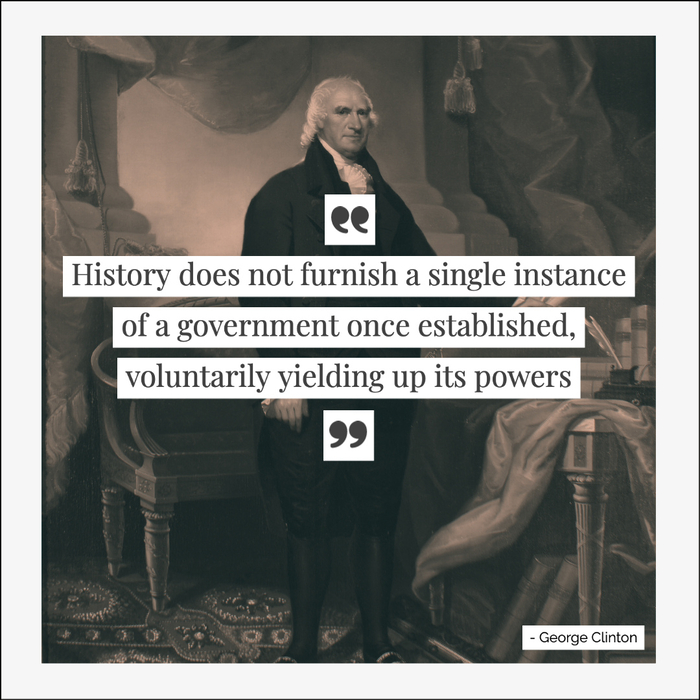
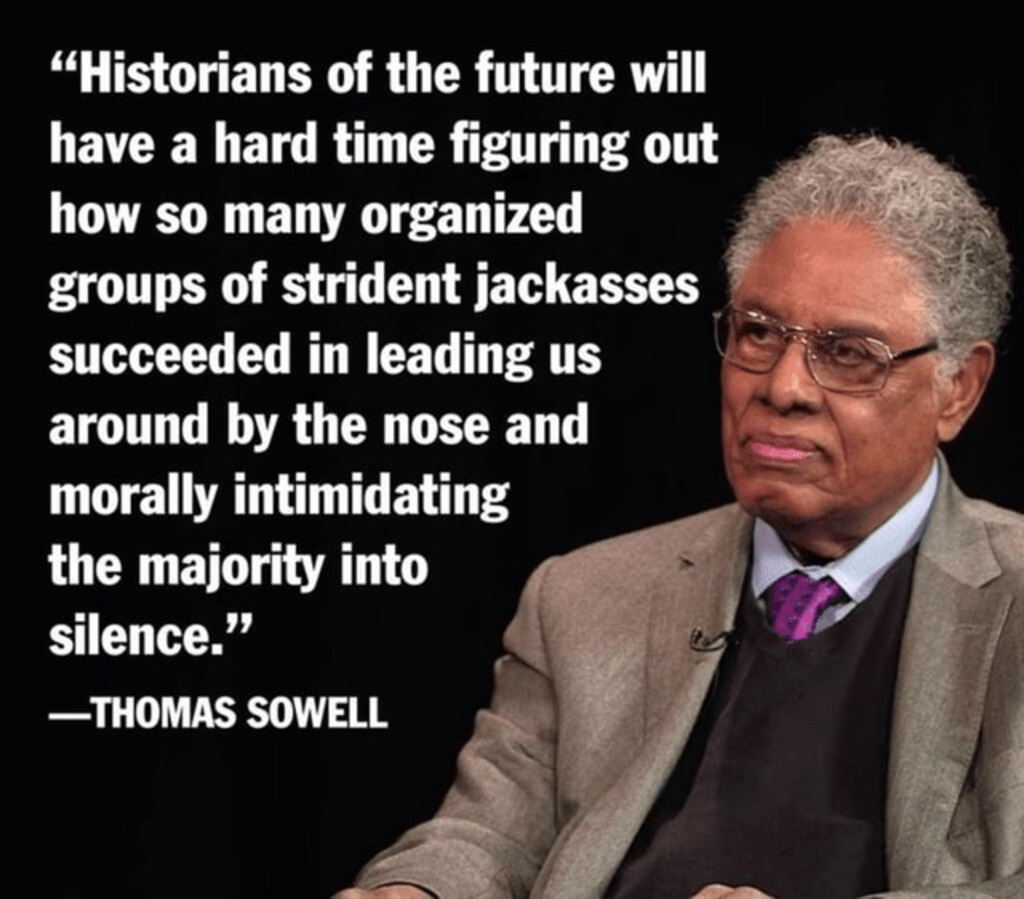
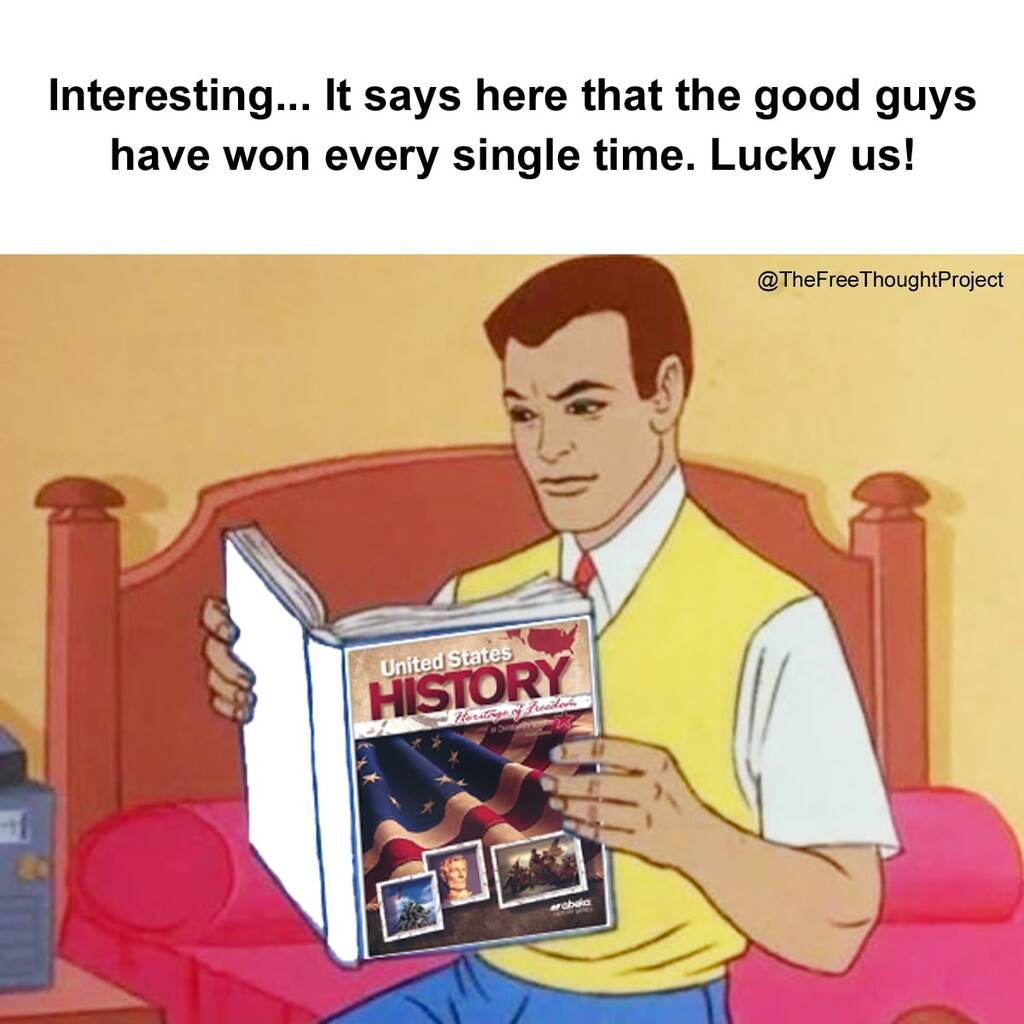
To countermand the insistence that America is solely responsible for slavery according to the 1619 Project, here are the facts which prove their blatant falsehood of research.
One must understand how, when Christianity became widespread throughout Europe, there was a distinction pertaining to the enslaving of Christians that endured through to the latter part of the 17th century, a baptized Christian could not be sold as a lifetime slave. This held true when the first black “slaves” were traded for food from a Dutch slave ship in August of 1619. The eyewitness, John Rolfe wrote in his diary, “About the last of August came in a dutch man of warre that sold us twenty negars. They were needed for the booming tobacco crop, but had been baptized, so as Christians they could not be enslaved for life, but only indentured, just like many of the English colonists, for 5-7 years.”1
As an interesting point to consider is how historians refute Rolfe’s statement, stating it was in fact a Portuguese slave trader San Juan Bautista which had been captured by the British privateers by The White Lion and The Treasurer in the Gulf of Mexico. The San Juan Bautista was bound for Mexico to sell its ‘cargo’.2 While this can perhaps be accepted, what cannot be is the demand that African slaves began at this point in our history and what becomes more dangerous, is the omission and absence of the rest of Rolfe’s diary entry regarding their status as Christians. This in and of itself marks of shoddy scholarship, for this was the basis for decades.
The other point that is not explored is the fact that England was unable to break into the African Slave Trade, as it was under the monopoly of African tribal leaders, the Middle East, the Portuguese and later the Dutch; (The White Lion was flying the Dutch flag.) The difficulty at the time for England, was that her economy was somewhat spent in maintaining their fledging colony of Virginia and with France occupying the vast territory to the north and Spain occupying the vast territory to the south, England had little inclination at the time to invoke either country in war.

Twitter has imposed a weeklong suspension on the account of writer and political activist Danny Haiphong for a thread he made on the platform disputing the mainstream Tiananmen Square massacre narrative.
The notification Haiphong received informed him that Twitter had locked his account for “Violating our rules against abuse and harassment,” presumably in reference to a rule the platform put in place a year ago which prohibits “content that denies that mass murder or other mass casualty events took place, where we can verify that the event occured, and when the content is shared with abusive intent.”
“This may include references to such an event as a ‘hoax’ or claims that victims or survivors are fake or ‘actors,’” Twitter said of the new rule. “It includes, but is not limited to, events like the Holocaust, school shootings, terrorist attacks, and natural disasters.”
That we are now seeing this rule applied to protect narratives which support the geostrategic interests of the US-centralized empire is not in the least bit surprising.
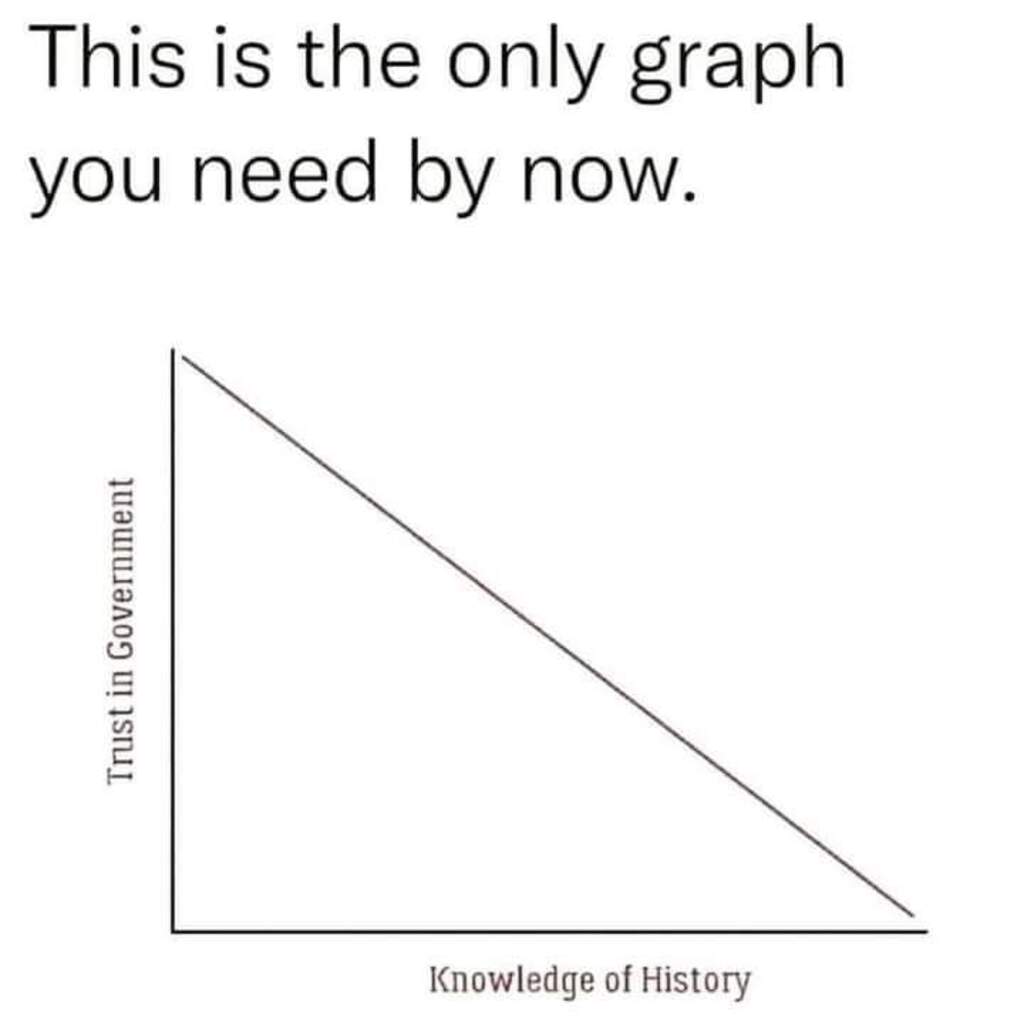
Haiphong is far from the first to dispute the mainstream western narrative about exactly what happened around Tiananmen Square in June of 1989 as the Soviet Union was crumbling and Washington’s temporary Cold War alignment with Beijing was losing its strategic usefulness. But we can expect more acts of online censorship like this as Silicon Valley continues to expand into its role as guardian of imperial historic records.
This idea that government-tied Silicon Valley institutions should act as arbiters of history on behalf of the public consumer is gaining steadily increasing acceptance in the artificially manufactured echo chamber of mainstream public opinion. We saw another example of this recently in Joe Lauria’s excellent refutation of accusations against Consortium News of historic inaccuracy by the imperial narrative management firm NewsGuard.
As journalists like Whitney Webb and Mnar Adley noted years ago, NewsGuard markets itself as a “news rating agency” designed to help people sort out good from bad sources of information online, but in reality functions as an empire-backed weapon against media who question imperial narratives about what’s happening in the world. The Grayzone’s Max Blumenthal outlined the company’s many partnerships with imperial swamp monsters like former NATO Secretary General Anders Fogh Rasmussen and “chief propagandist” Richard Stengel as well as “imperialist cutouts like the German Marshall Fund” when its operatives contacted his outlet for comment on their accusations.
Lauria compiles a mountain of evidence in refutation of NewsGuard’s claim that Consortium News published “false content” about the 2014 US-backed coup in Ukraine, copiously citing outlets which NewsGuard itself has labeled accurate sources of information with its “green check” designation system. It becomes clear as you read the article that NewsGuard’s real function is, as John Kiriakou put it, “guarding the country from the news.”

 Hellbound and Down
You must be logged in to post a comment.