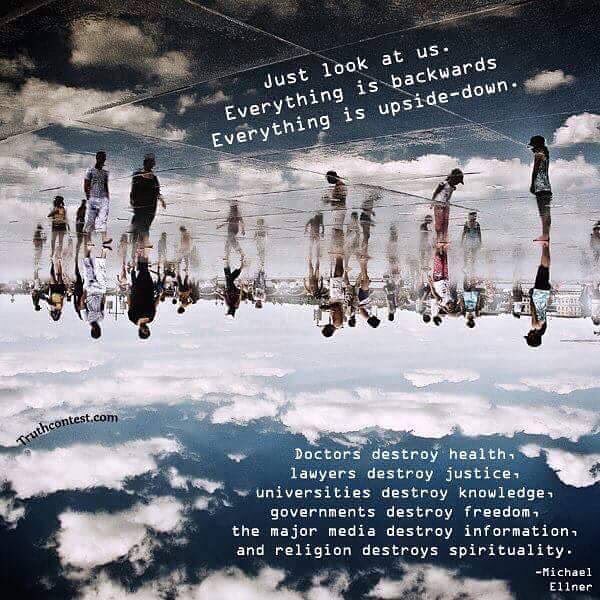
Are we in the upside down?


Coronavirus testing has been a hot-button issue since the beginning of the pandemic. First, there weren’t enough coronavirus tests to go around. Now, a new issue has emerged—just how accurate the tests people are getting actually are. According to a July 17 study published in the International Journal of Geriatrics and Rehabilitation, 50 percent of nucleic acid coronavirus tests distributed by the Centers for Disease Control and Prevention (CDC) provided inaccurate results.
The study’s lead author, Sin Hang Lee, MD, director of Milford Molecular Diagnostics Laboratory, found that the testing kits gave a 30 percent false-positive rate and a 20 percent false-negative rate.
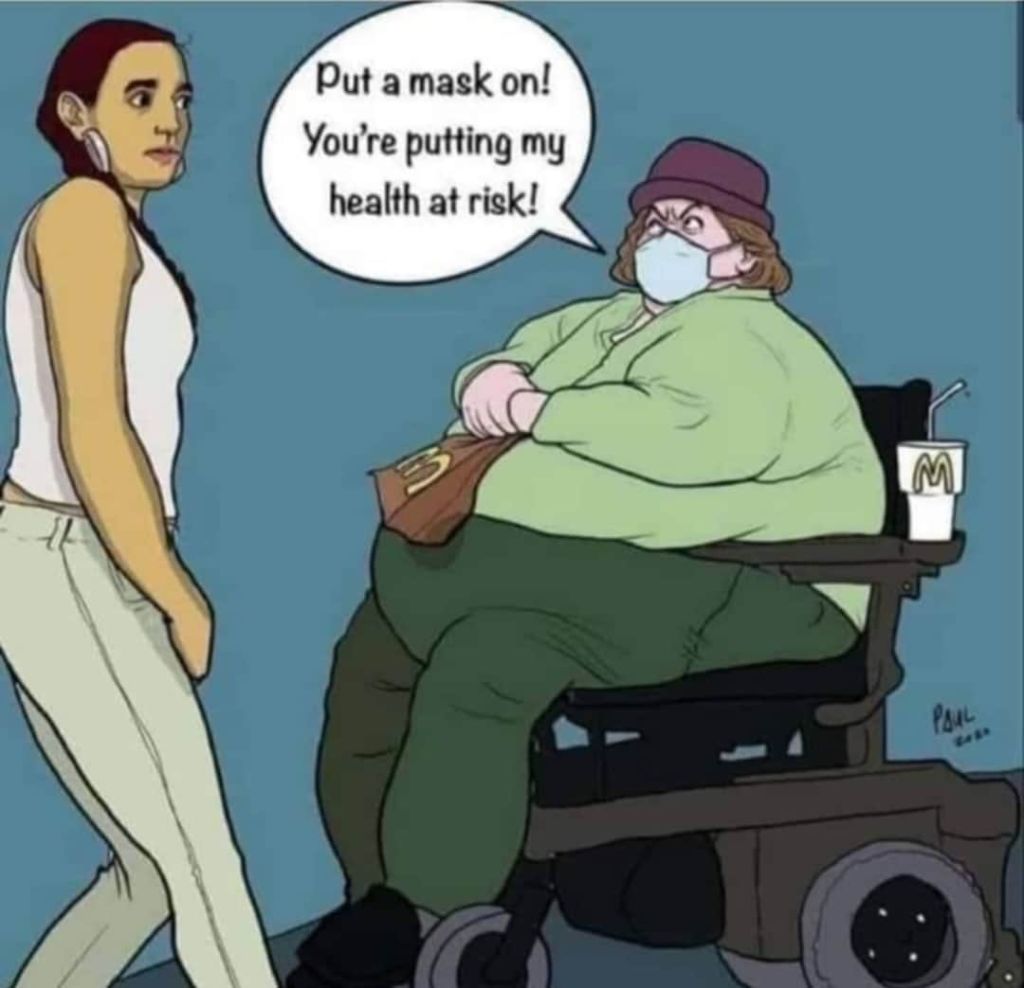
The Canadian CDC breaks it down like this … if you’re gonna have sex during the pandemic, it’s a helluva lot safer to “use barriers, like walls (e.g., glory holes), that allow for sexual contact but prevent close face-to-face contact.”
New York City actually recommended walls back in June, but did not outright call them glory holes … sorry, NYC, Canada is holier than thou!
Folks on social media are having a field day tweeting creative ways to use walls and barriers, even suggesting things like “Plexiglas shields like in grocery stores except for glory holes,” holes in sheets, mail slots, doggy doors and donuts.
If glory holes sound a little too raunchy for you, don’t worry … doggy style seems to be kosher too. The BC CDC also recommends choosing sexual positions that limit face-to-face contact.
In 2016 Trump upended traditional right-wing politics by campaigning against the Iraq War—during the Republican primaries, where candidates usually compete to look tough. This year the surprise dove can take credit for extricating the U.S. from its longest war, the 18-year-old meatgrinder of Afghanistan. Not only was Trump the first post-9/11 president to hold direct talks with the Taliban, he concluded a peace deal with the insurgency that leads to a total American withdrawal by April 2021 if the Taliban uphold their commitments. Now he is even considering an accelerated timetable that would bring back the last American soldier before Election Day.
Enter the war pigs.
Anew Cato national survey finds that self‐censorship is on the rise in the United States. Nearly two-thirds—62%—of Americans say the political climate these days prevents them from saying things they believe because others might find them offensive. The share of Americans who self‐censor has risen several points since 2017 when 58% of Americans agreed with this statement.
These fears cross partisan lines. Majorities of Democrats (52%), independents (59%) and Republicans (77%) all agree they have political opinions they are afraid to share.
Strong liberals stand out, however, as the only political group who feel they can express themselves. Nearly 6 in 10 (58%) of staunch liberals feel they can say what they believe. However, centrist liberals feel differently. A slim majority (52%) of liberals feel they have to self‐censor, as do 64% of moderates, and 77% of conservatives. This demonstrates that political expression is an issue that divides the Democratic coalition between centrist Democrats and their left flank.
In the nearly two months that police and protesters have faced off on Portland streets, numerous incidents (including Brown’s beating) have been captured on video and raised questions about police tactics. The lawsuit the ACLU filed on behalf of Brown and other journalists and observers—demanding that cops keep their hands off—now winds its way through federal court.
Meanwhile, Kessler says scrutiny is more difficult since June 6, when the Portland Police Bureau initiated its new policy allowing officers to cover the name tags traditionally visible on their uniforms and instead identify themselves with only a tag or piece of tape with an internal personnel number written on it.
 Hellbound and Down
You must be logged in to post a comment.