
Gun control is privilege…


Elevated ‘cycle thresholds’ may be detecting virus long after it is past the point of infection.
A growing body of research suggests that a significant number of confirmed COVID-19 infections in the U.S. — perhaps as many as 9 out of every 10 — may not be infectious at all, with much of the country’s testing equipment possibly picking up mere fragments of the disease rather than full-blown infections.
Confirmed cases of the disease have been the focal point of public health authorities and governments worldwide for many months, with countries across the globe working frantically to shore up their testing infrastructure and ensure that most citizens who want a COVID-19 test can obtain one with relative ease.
Many politicians, meanwhile — including most state governors in the U.S. — have tied reopening policies to the number of cases detected in the local community, with regions and localities often being permitted to reopen in staggered “phases” only when they have reached successively lower benchmarks of average new daily cases in the area.
Numerous institutions, meanwhile, have adopted testing protocols in an attempt to preempt the spread of the virus. American colleges and universities, for instance, have turned to mass testing in order to closely monitor incidences of the disease among students, particularly residential students living on campus.
Yet a burgeoning line of scientific inquiry suggests that many confirmed infections of COVID-19 may actually be just residual traces of the virus itself, a contention that — if true — may suggest both that current high levels of positive viruses are clinically insignificant and that the mitigation measures used to suppress them may be excessive.
Instead of adhering to congressional intent by building up the nation’s inadequate supply of N95 masks and other equipment to combat the Covid-19 crisis, the Pentagon has funneled hundreds of millions of dollars in appropriated taxpayer funds to private defense contractors for drone technology, jet engine parts, Army uniform material, body armor, and other purposes not directly related to the pandemic.
As the Washington Post reported Tuesday morning, the Department of Defense—headed by former Raytheon lobbyist Mark Esper—”began reshaping how it would award the money” just weeks after Congress in March approved a $1 billion fund under the Defense Production Act to help the nation “prevent, prepare for, and respond to coronavirus.”
“The Trump administration has done little to limit the defense firms from accessing multiple bailout funds at once and is not requiring the companies to refrain from layoffs as a condition of receiving the awards,” the Post noted. “Some defense contractors were given the Pentagon money even though they had already dipped into another pot of bailout funds, the Paycheck Protection Program.”
As the U.S. still faces major shortages of testing supplies and N95 masks six months into the pandemic, the Post reported that the Pentagon has used congressionally approved funds to dish out $183 million to luxury carmaker Rolls-Royce and other companies to help “maintain the shipbuilding industry,” tens of millions for “drone and space surveillance technology,” and $80 million to “a Kansas aircraft parts business.”
A subsidiary of Rolls-Royce also received $22 million from the Pentagon “to upgrade a Mississippi plant,” according to the Post.


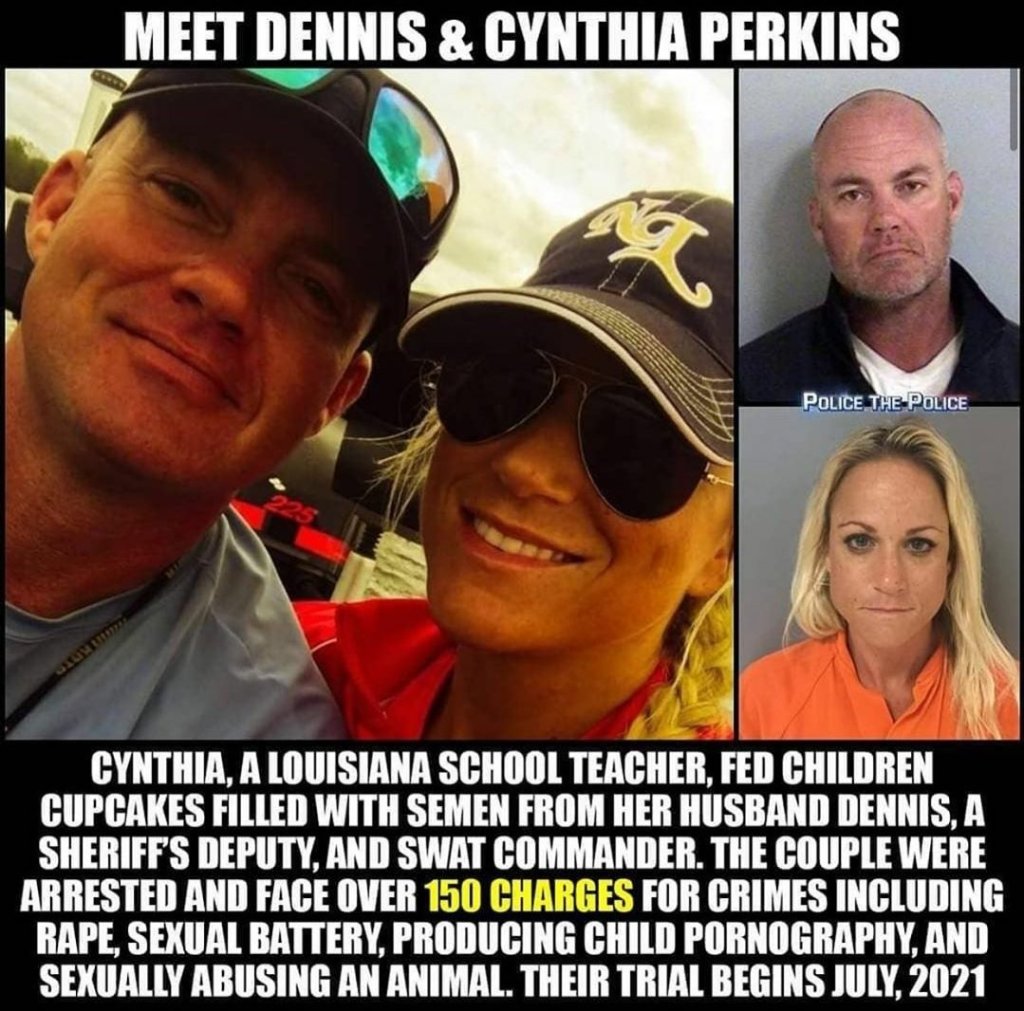

In an increasingly angry and bad faith campaign, Donald Trump and his team are presenting Democratic presidential candidate Joe Biden as an anti-police radical controlled by the far left. Last week, the Trump campaign sent a text message to supporters warning them that Antifa would raid their homes if Biden wins in November. “They’ll disarm you, empty the prisons, lock you in your home and invite MS-13 to live next door,” warned Florida congressman Matt Gaetz.
The reality, however, is that the 77-year-old former vice president has a long history of opposing progressive legislation and spearheading increasingly more draconian police, immigration, and criminal justice measures. Biden first shot to prominence in the 1970s, when, as a freshman senator, he became a leading voice against bussing, the practice of desegregating schools via public transport (something his now-running mate Kamala Harris grilled him on during the debates). He also maintained a close relationship with arch segregationist Sen. Strom Thurmond, who left the Democratic party and became a Republican due to his vehement opposition to the Civil Rights Act. He even read the eulogy at Thurmond’s funeral, around the time of which it came out that Thurmond had fathered a child with a 15-16-year-old black servant girl working for him.
But Biden’s problematic history with race goes much further; the Delawarian has been one of the chief architects of the racist prison system we live under today. For decades, he pushed for more cops, more jails, more arrests, and more convictions, even criticizing the notorious Ronald Reagan for not locking enough people up.
Throughout the 1980s, he and Thurmond worked on a number of bills that radically reshaped the criminal justice system, including the 1984 Comprehensive Crime Control Act which limited parole and cut sentence reductions for good behavior. Biden continued to attack Republican George H.W. Bush from the right on crime, in 1989, condemning his draconian proposals as not going far enough. “In a nutshell, the President’s plan does not include enough police officers to catch the violent thugs, enough prosecutors to convict them, enough judges to sentence them, or enough prison cells to put them away for a long time,” he said, later demanding to know why Bush hadn’t executed more drug dealers like he wanted.
Despite Bush pushing through substantial increases to the prison industrial system, Biden continually demanded more, publishing his own plans that included billions more in funding for increased numbers of police, FBI, and DEA agents.
This all culminated in what in 2007 he called his “greatest accomplishment” in politics: the controversial 1994 Crime Bill. Often labeled the “Biden Crime Bill” because of its author and chief promoter, the bill laid the basis for an ever-increasing prison population, introducing the death penalty for dozens of new offenses and spent billions on hundreds of thousands of extra police and prison cells. Just as Bill Clinton was making a point of returning to Arkansas to oversee the execution of a mentally handicapped black man, Biden was staking out his position as a new leader of the new, “tough on crime” Democrats, boasting that his bill meant that “we do everything but hang people for jaywalking.” As his biographer Branko Marcetic wrote, Biden makes Hillary Clinton look like [civil rights advocate] Michelle Alexander.
 Hellbound and Down
You must be logged in to post a comment.