
Where do you think it is coming from?

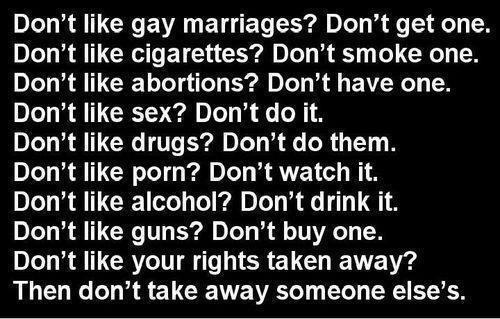
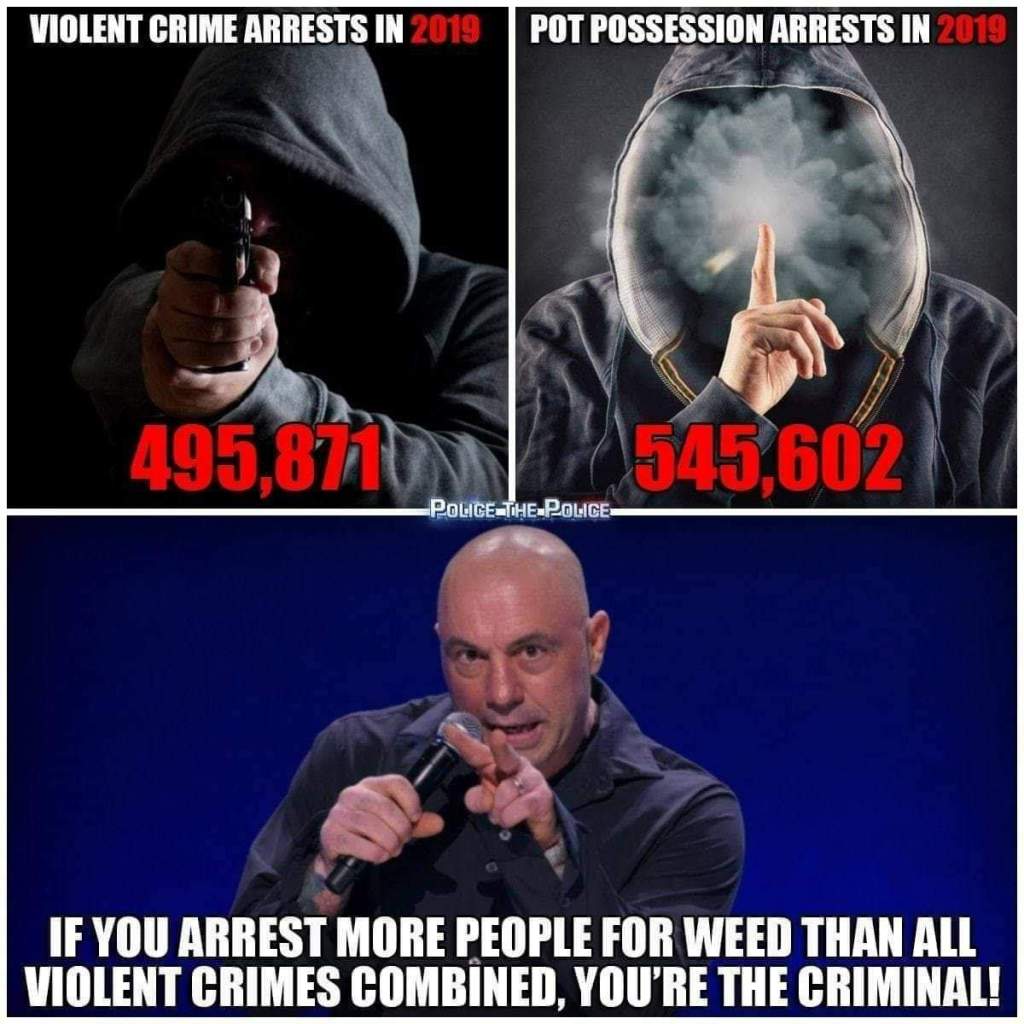
In the United States, cannabis is legal for recreational use in 11 states while 33 other states allow some form of medical use. One would think that with this widespread legalization, which seems to be speeding up, that police officers would start concentrating their efforts elsewhere and arrest actual criminals who hurt people — not kidnap and cage innocent people for using a plant. Sadly, however, the incentives for arresting cannabis users are too addictive and the police state marches on, laying waste to all the lives it touches along the way.
Despite a massive number of anecdotal accounts coupled with an equally massive amount of research on the medical benefits of using cannabis as medicine, most states in the “land of the free” still kidnap and cage people for using it.
Sadly, in the land of the free, realizing the true benefits of cannabis is limited by the plant’s schedule 1 classification by the federal government. As cops continue to kidnap and cage people for cannabis, this plant’s life-saving potential is hindered. This seems especially egregious knowing the plant’s promise for alleviating the horrific opioid epidemic we are currently facing along with its numerous other potential treatments.
The good news is that most people now see cannabis prohibition for the tyrannical horse manure that it is and are willing to disobey. After all, most positive change comes — not in the form of begging politicians — but when good people choose to disobey bad laws.
This disobedience seems to be spreading too — all the way to Congress, aparently.
The historic event was detailed in two books, “What the Dormouse Said: How the Sixties Counterculture Shaped the Personal Computer Industry”, which was released in 2005 by John Markoff, and “The Dark Net,” which was released more recently by Jamie Bartlett.
In “What The Dormouse Said,” Markoff Writes: “In 1971 or 1972, Stanford students using Arpanet accounts at Stanford University’s Artificial Intelligence Laboratory engaged in a commercial transaction with their counterparts at Massachussetts Institute of Technology. Before Amazon, before eBay, the seminal act of e-commerce was a drug deal. The students used the network to quietly arrange the sale of an undetermined amount of mariju**a.“
Bartlett gives a nearly identical description in his book ‘The Dark Net’, which discusses online marketplaces that have made headlines in recent years.
The Silk Road, which launched in 2011, was the first truly anonymous online marketplace, and it quickly became a target for politicians and law enforcement because of the large volume of drugs that were being sold through the site. On the Silk Road, drug users and vendors were able to trade anonymously using Bitcoin, making it one of the first major commerce platforms to adopt the cryptocurrency. The website’s alleged creator, Ross Ulbricht, is currently serving a double life sentence with no possibility of parole for operating the online marketplace.
One important point that was heavily overlooked by the media during the Ulbricht trial was the fact that the Silk Road actually made the world a safer place by undermining prohibition. Even though drugs are illegal, large numbers of people still use them on a regular basis and these people are often put in dangerous situations because of these prohibitions.


 Hellbound and Down
You must be logged in to post a comment.