
That’s where my $2000 went…

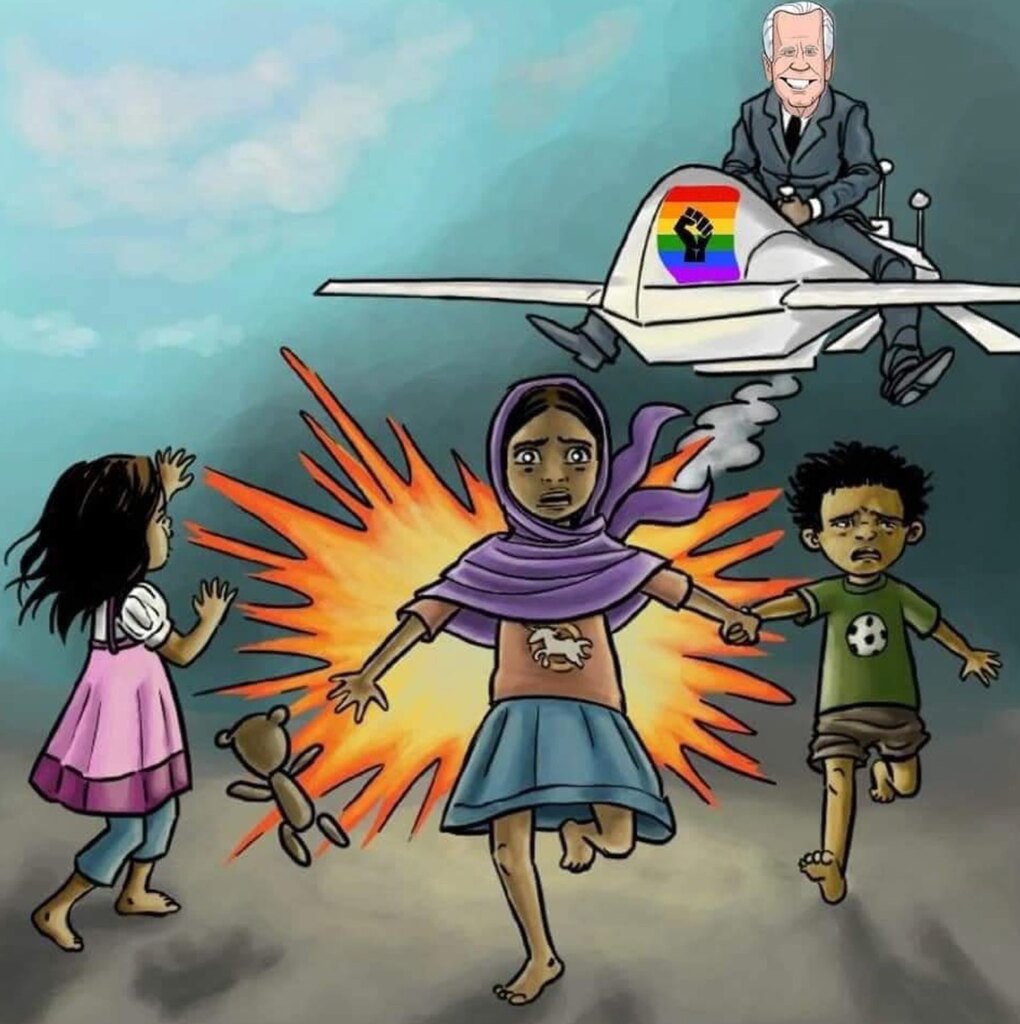
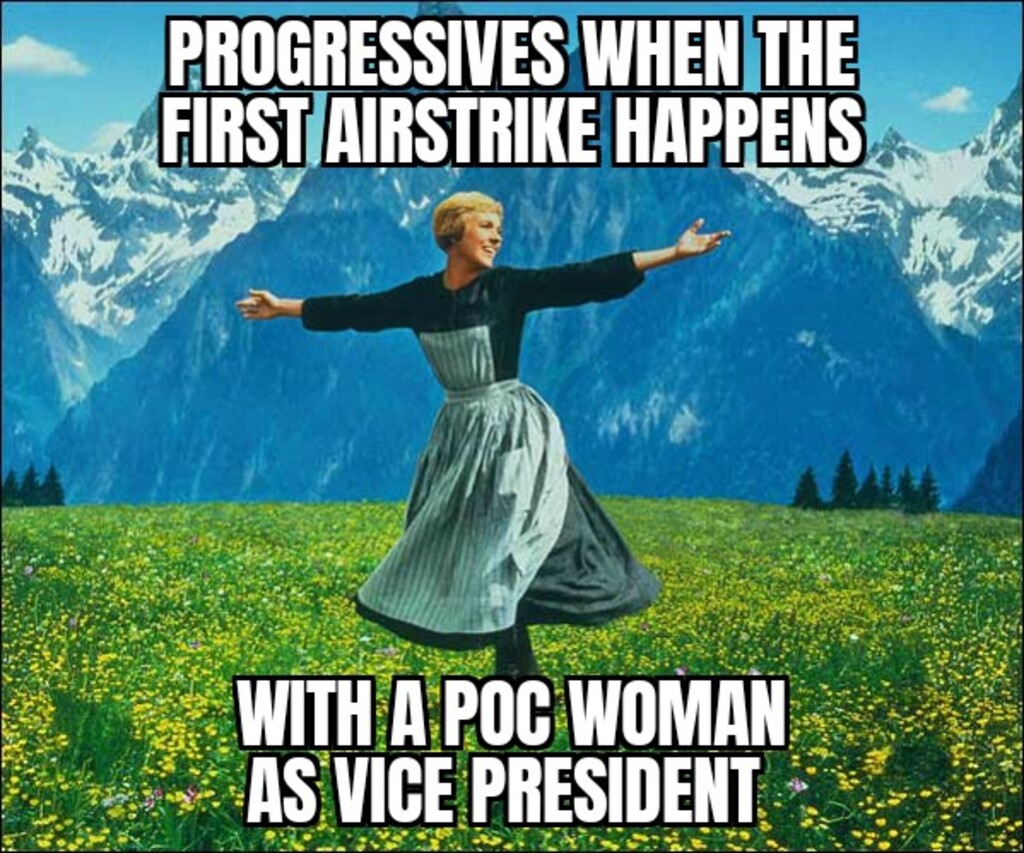
On orders of President Biden, the United States has launched an airstrike on a facility in Syria. As of this writing the exact number of killed and injured is unknown, with early reports claiming “a handful” of people were killed.
Rather than doing anything remotely resembling journalism, the western mass media have opted instead to uncritically repeat what they’ve been told about the airstrike by US officials, which is the same as just publishing Pentagon press releases.
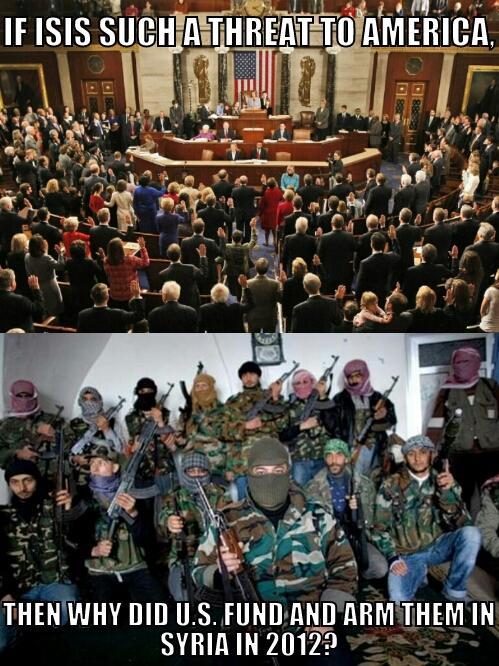
The DC Circuit has ruled that the CIA is under no obligation to comply with Freedom of Information Act requests pertaining to its involvement with insurgent militias in Syria, overturning a lower court’s previous ruling in favor of a Buzzfeed News reporter seeking such documents.
As Sputnik‘s Morgan Artyukhina clearly outlines, this ruling comes despite the fact that mainstream news outlets have been reporting on the Central Intelligence Agency’s activities in Syria for years, and despite a US president having openly tweeted about those activities.
“In other words, the CIA will not be required to admit to actions it is widely reported as having done, much less divulge documents about them to the press for even greater scrutiny,” Artyukhina writes, calling to mind the Julian Assange quote “The overwhelming majority of information is classified to protect political security, not national security.”

Four years after signing the now-infamous “Never Trump” letter condemning then-presidential candidate Donald Trump as a danger to America, retiring diplomat Jim Jeffrey is recommending that the incoming Biden administration stick with Trump’s foreign policy in the Middle East.
But even as he praises the president’s support of what he describes as a successful “realpolitik” approach to the region, he acknowledges that his teamroutinely misled senior leaders about troop levels in Syria.
“We were always playing shell games to not make clear to our leadership how many troops we had there,” Jeffrey said in an interview. The actual number of troops in northeast Syria is “a lot more than” the roughly two hundred troops Trump initially agreed to leave there in 2019.
Trump’s abruptly-announced withdrawal of U.S. troops from Syria remains perhaps the single-most controversial foreign policy move during his first years in office, and for Jeffrey, “the most controversial thing in my fifty years in government.” The order, first handed down in December 2018, led to the resignation of former Defense Secretary Jim Mattis. It catapulted Jeffrey, then Trump’s special envoy for Syria, into the role of special envoy in the counter-ISIS fight when it sparked the protest resignation of his predecessor, Brett McGurk.
For Jeffrey, the incident was far less cut-and-dry — but it is ultimately a success story that ended with U.S. troops still operating in Syria, denying Russian and Syrian territorial gains and preventing ISIS remnants from reconstituting.
In 2018 and again in October of 2019, when Trump repeated the withdrawal order, the president boasted that ISIS was “defeated.” But each time, the president was convinced to leave a residual force in Syria and the fight continued.
“What Syria withdrawal? There was never a Syria withdrawal,” Jeffrey said. “When the situation in northeast Syria had been fairly stable after we defeated ISIS, [Trump] was inclined to pull out. In each case, we then decided to come up with five better arguments for why we needed to stay. And we succeeded both times. That’s the story.”
Four years after signing the now-infamous “Never Trump” letter condemning then-presidential candidate Donald Trump as a danger to America, retiring diplomat Jim Jeffrey is recommending that the incoming Biden administration stick with Trump’s foreign policy in the Middle East.
But even as he praises the president’s support of what he describes as a successful “realpolitik” approach to the region, he acknowledges that his teamroutinely misled senior leaders about troop levels in Syria.
“We were always playing shell games to not make clear to our leadership how many troops we had there,” Jeffrey said in an interview. The actual number of troops in northeast Syria is “a lot more than” the roughly two hundred troops Trump initially agreed to leave there in 2019.
Trump’s abruptly-announced withdrawal of U.S. troops from Syria remains perhaps the single-most controversial foreign policy move during his first years in office, and for Jeffrey, “the most controversial thing in my fifty years in government.” The order, first handed down in December 2018, led to the resignation of former Defense Secretary Jim Mattis. It catapulted Jeffrey, then Trump’s special envoy for Syria, into the role of special envoy in the counter-ISIS fight when it sparked the protest resignation of his predecessor, Brett McGurk.
 Hellbound and Down
You must be logged in to post a comment.