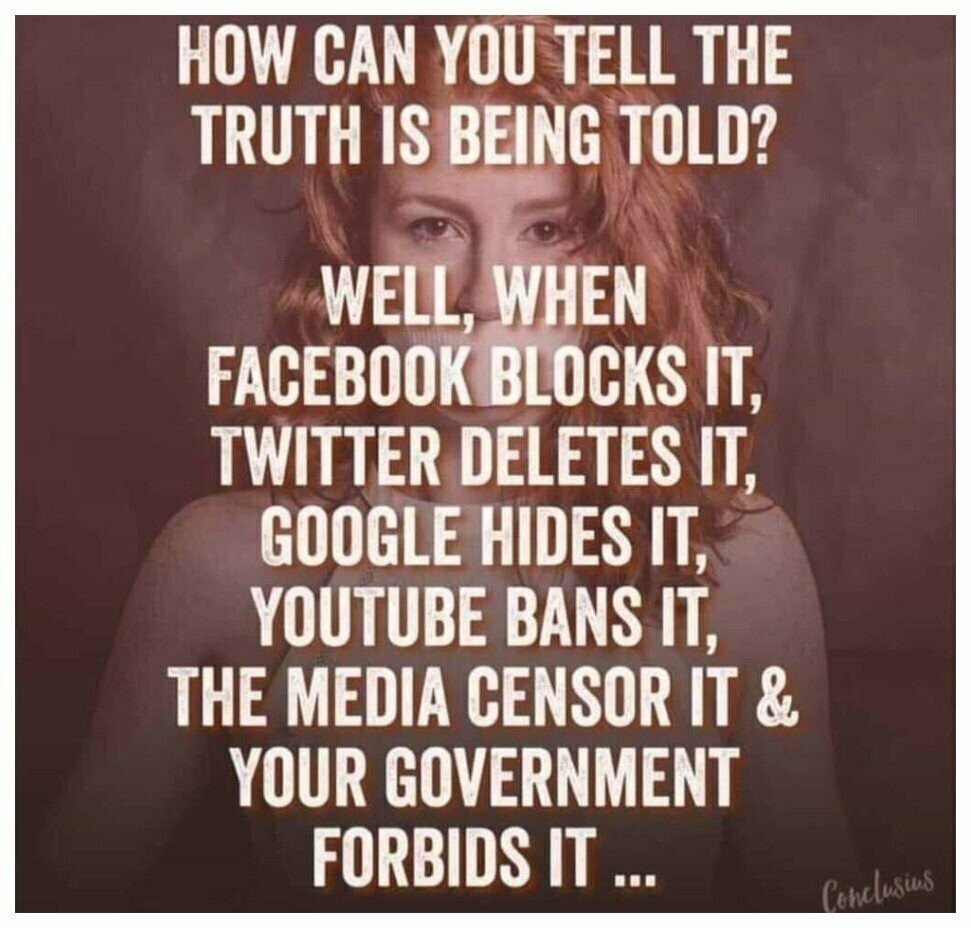
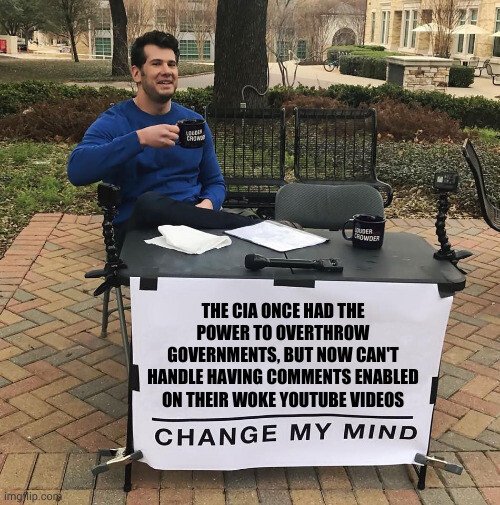
How Facebook uses ‘fact-checking’ to suppress scientific truth

At the end of a recent 800-meter race in Oregon, a high-school runner named Maggie Williams got dizzy, passed out and landed face-first just beyond the finish line. She and her coach blamed her collapse on a deficit of oxygen due to the mask she’d been forced to wear, and state officials responded to the public outcry by easing their requirements for masks during athletic events.

But long before the pandemic began, scientists had repeatedly found that wearing a mask could lead to oxygen deprivation. Why had this risk been ignored?

One reason is that a new breed of censors has been stifling scientific debate about masks on social-media platforms. When Scott Atlas, a member of the Trump White House’s coronavirus task force, questioned the efficacy of masks last year, Twitter removed his tweet. When eminent scientists from Stanford and Harvard recently told Florida Gov. Ron DeSantis that children should not be forced to wear masks, YouTube removed their video discussion from its platform. These acts of censorship were widely denounced, but the social-media science police remain undeterred, as I discovered when I recently wrote about the harms to children from wearing masks.
Keep reading

Pentagon launches program to surveil military personnel’s social media

The Pentagon is planning on launching a program that would screen military personnel’s social media for “extremist material” — looking to retain a private firm to do the digging in order to circumvent First Amendment protections, according to a report.

Internal Defense Department documents reviewed by The Intercept reveal that Bishop Garrison, a senior advisor to Defense Secretary Lloyd Austin tasked with addressing “extremism” in the armed forces, is currently in the process of designing a social media screening program which will “continuously” monitor for “concerning behaviors.”

In the past, the Pentagon has shied away from surveilling members due to First Amendment protections, as well as other privacy concerns.

This program, according to the outlet, citing a senior Pentagon official, will rely on a private firm in order to avoid being accused of circumventing First Amendment restrictions through government.

Keep reading

Biden Revokes Trump Order Protecting Users From Censorship on Social Media

President Joe Biden this week revoked an order from the previous Trump administration that sought to protect users from unfair or deceptive content restriction practices by Big Tech companies.

The effect of the revocation would require the Director of the Office of Management and Budget and the heads of executive departments to take steps to rescind any regulations or policies that enforced former President Donald Trump’s executive order entitled “Preventing Online Censorship,” which was signed in May last year.

Trump’s order sought to prevent social media companies such as Twitter, Facebook, and YouTube from moderating users’ content in what his administration said was being done in an unbalanced and inconsistent way. The order cited examples from Twitter that added “fact-checking labels” to certain tweets in a manner that the administration said clearly reflects political bias.

Twitter added a “fact-checking” label on two of Trump’s tweets two days before the president issued his executive order. Trump accused Twitter of “selectively applying” its warning labels, arguing such action amounted to political activism.

Biden’s order also seeks to roll back liability protections under Section 230 of the 1996 Communications Decency Act. That law largely exempts online platforms from liability for content posted by their users, although they can be held liable for content that violates anti-sex trafficking or intellectual property laws.

Keep reading

Biden Secretary of Defense adviser pick once said online misinformation is a digital “plague”

In an op-ed from 2018, Biden’s pick for senior adviser to the Secretary of Defense, Bishop Garrison, described free speech as a “digital black plague.”

In the 2018 op-ed, resurfaced by Revolver News, Garrison described alleged disinformation, which to others is free speech, as a “digital black plague,” which if allowed to “spread further,” soon “the shining city on the hill will undoubtedly find itself alone in the darkness for years to come.”

Garrison also said that technology was responsible for the spread of disinformation, which to some, is any information they don’t like.

Keep reading

Facebook, Social Media Giants Admit to Silencing Palestinian Voices Online

Activists reported that social media companies have been removing their content, stating it violated community guidelines or deeming it “hate speech.” Reports also included suspended and deactivated accounts and text-only content labeled “sensitive,” a designation usually reserved for photos and videos containing violence, gore or derogatory images. The “Save Sheikh Jarrah” Facebook group was also deactivated, according to Mohammed El-Kurd.

Reports were largely centered on Instagram and Twitter, with some restrictive behaviors conducted by Facebook and even TikTok.

Keep reading

DHS to scan social media posts looking for “domestic terrorists” after Capitol breach

The Department of Homeland Security (DHS) plans to launch a warning system to detect “domestic terrorism” threats by gathering and analyzing intelligence on public social media posts and making predictions on future actions.

The purpose of the system is to detect the sort of posts that allegedly proceeded the breach of the US Capitol on January 6. Law enforcement agencies were criticized for ignoring or missing the posts.

According to a DHS official involved in the efforts, the focus is supposedly not on the posters, but to identify the targets of domestic terrorism. The official also said that, for now, the DHS is using human data analysts, not computer algorithms, to analyze public social media posts.

Keep reading