At Urban Dictionary, a user named Dankulous Memeulon plumbs the wisdom of the ancient truism that the political left tends to generate inept, insipid internet memes. He describes this phenomenon as “an absolute fact: Leftists and their shills CANNOT meme, and any attempt by them to do so ends up as either cringe-worthy and biased propaganda, or [as] cancerously inaccurate.” But Memeulon goes a step further and posits an explanation as to why this is true: “a possible cause […] is perhaps a leftist’s despicable attempts to stay politically correct, like all cucks, and thus they cannot, by their very nature, produce memes without fear of offending a minority who couldn’t care either way.”
I must confess that as a bald, cis-gendered, white, monogamous, conservative, heterosexual, Christian, male, English professor in his early 40s, I am too square to claim any expertise in creating dope-ass memes. But I do study them, along with the ongoing meme war that continues to intensify. Look no further than the WallStreetBets crowd over at Reddit, who have now learned how to burn hedge fund managers by pumping “meme stocks.”
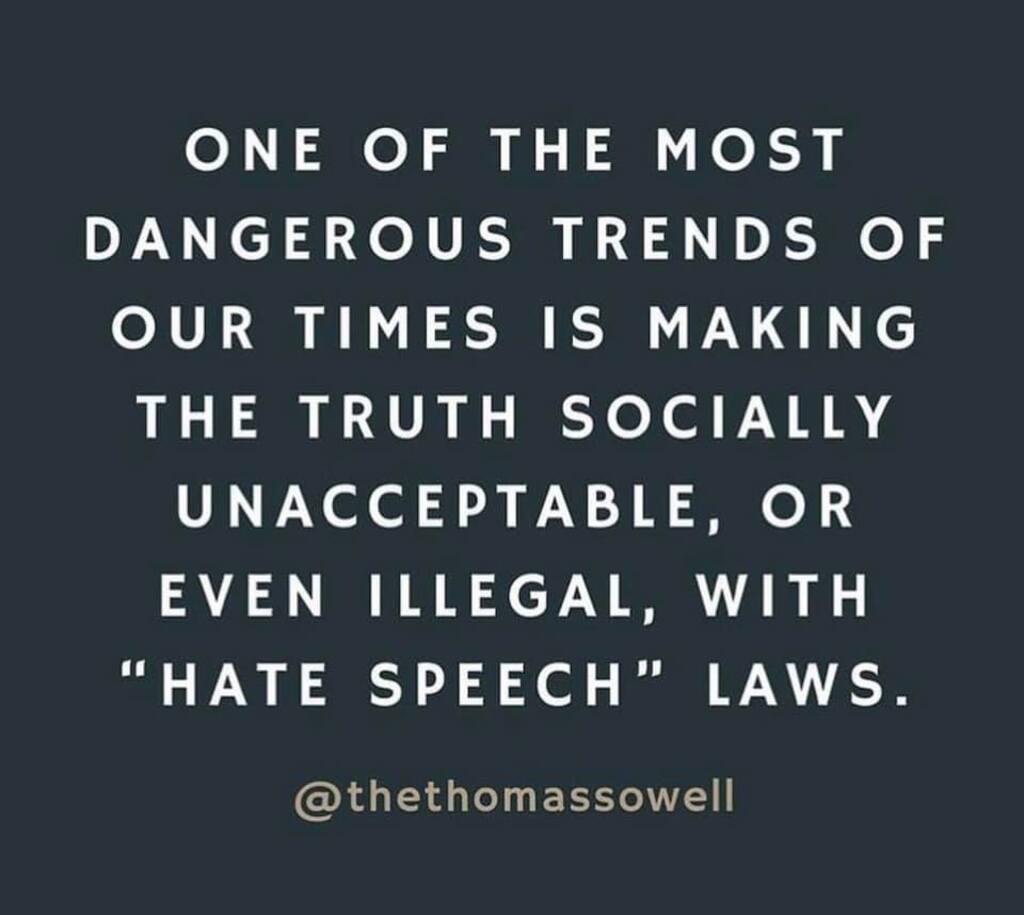
Many scholars have demonstrated the academic relevance of meme culture to understanding how digital communication helped to bring right-wing populism to a new prominence in American politics. But the circulation of political memes (and their resulting formalization as a genre of public discourse) hints at why it is that as mainstream culture moves further left, the culture also grows more ossified, more staid, and more rigid in its demands that people conform to a particular set of puritanical expectations regarding political speech.
Distilled to its essential rhetorical function, the purpose of the political meme is to expand the range of topics that are eligible for public scrutiny. Generally, this is achieved through an imagistic, minimalist lampooning of our culture’s prevailing pieties and the supposedly unquestionable assumptions that undergird them. In short, the key pathos of meme culture is irreverence: a disrespectful attitude toward the things that polite society holds sacred. Understanding how irreverence has operated in modern American life, and how the objects of American reverence have recently changed, not only sharpens the contours of the political realignment that is unfolding, it also explains why the left exhibits such inferior skill when it comes to creating internet memes.
Keep reading




You must be logged in to post a comment.