
Vote harder!



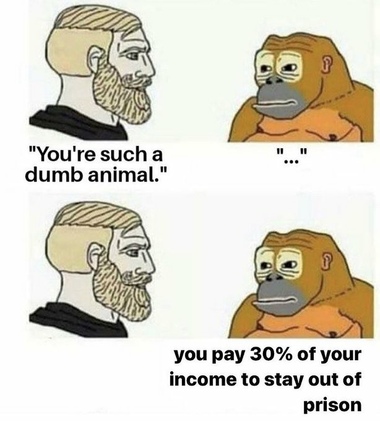
To advise the Heritage Minister on regulating Canada’s internet, a panel of experts, most of them academics, has been appointed. One of the government’s internet regulation plans, alongside the online censorship bill, is to create a federal internet censorship agency.
When announcing the panel of experts, Heritage Minister Pablo Rodriguez said, “We are open to all ideas. The only thing we want is to do the right thing, is to make it right, is to make it happen.”
The minister was asked if it was a priority for the internet censorship bill not to infringe Canadians’ rights. He said that freedom of expression is a fundamental right and is “at the core” of the bill.
“But I’ll tell you something else,” Rodriguez said. “Actually there are a lot of people who don’t want to share what they think anymore, who are afraid of going online to speak freely because of the negative and violent reaction they may get. I think in some ways this will really help freedom of speech.”
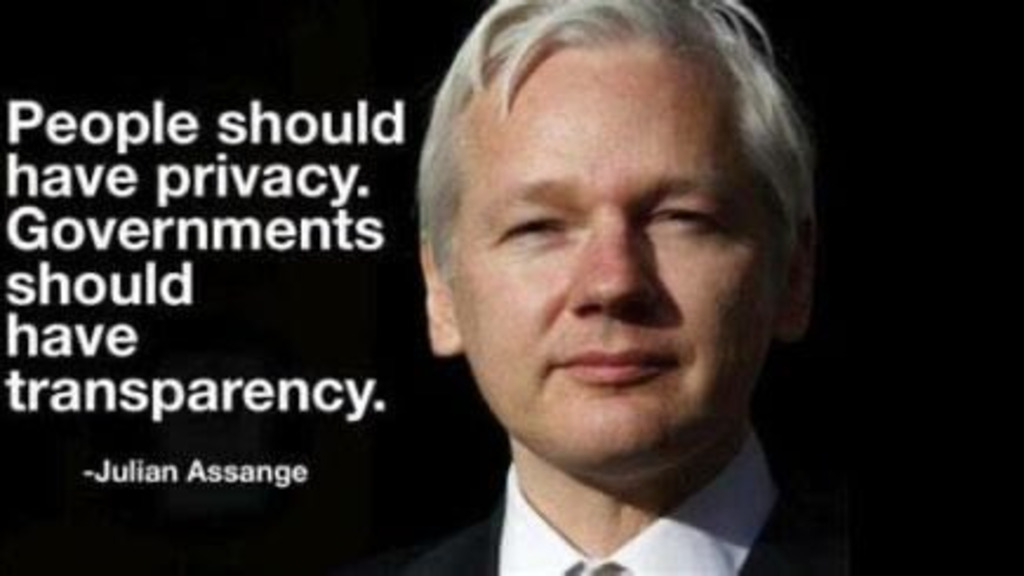
Rep. Maxine Waters (D-Calif.) tried to stop the publication of a news story about Los Angeles’ homeless crisis this week, reportedly telling a Los Angeles Times scribe: “You’ll hurt yourself and the community trying to put this together.”
The Wednesday story by investigative reporter Connor Sheets detailed a March 25 incident in South Los Angeles, where hundreds of homeless people tried to obtain Section 8 housing vouchers after being misled by social media rumors.
The would-be applicants crashed an event held by nonprofit advocacy group Fathers and Mothers Who Care, which had been meant to help the unhoused obtain emergency shelter.
The confusion reportedly overwhelmed the non-profit as well as Los Angeles Housing Services Authority (LAHSA) workers who told the unexpected arrivals that they would only be able to provide their information and enter an emergency housing database.
At one point, Waters told the crowd: “I want everybody to go home,” triggering an angry response.
The Department of Homeland Security (DHS) wants Americans to believe since 2011, when the word “extremists” was just starting to take root in the public’s consciousness, there has been an explosion of violent extremism.
In 2011, DHS published the “Empowering Local Partners To Prevent Violent Extremism In The United States” report, while at the same time calls for ending America’s neverending war on terror started taking hold.
The DHS report made dubious claims like al-Qa‘ida was trying to recruit and radicalize Americans across the country, which coincidentally was also the 10th anniversary of 9/11. The report mentions extremists and violent extremists interchangeably during a time when Americans were beginning to question the war on terror.
In May 2011, National Public Radio wrote, “Why We Must End The War On Terror” and asked in September, “Is It Time To End The War On Terror?” Similar articles were being published across the country asking the same thing.
Fast forward eleven years to 2022, and the war on terror shows no signs of abating.
DHS, who could be mistaken for magicians if it were not so ironic, have convinced law enforcement that America now has at least twenty-three different types of extremists.
There does not appear to be a master list of American extremists published by DHS or the Department of Justice.
I used four sources to compile this list of twenty-two different types of violent extremists, but I fear that the government’s “official list” is far larger.
Sources: National Strategy for Countering Domestic Terrorism, A Schema of Right-Wing Extremism in the United States, Homegrown Violent Extremist Violent Indicators (2019) report and the National School Board.


You must be logged in to post a comment.