As this year ends, U.S. President Joe Biden signed into law military spending of $770 billion. That’s just for the next year alone. The scale of wastefulness and bloated corruption is eye-watering. It eclipses what the United States is willing to invest for overhauling its badly neglected civilian infrastructure and for combating the coronavirus pandemic that has killed far more people in the U.S. than in any other nation.
If there is one thing that portends a historic collapse of U.S. global power it is its pathological addiction to militarism that is hemorrhaging vital resources.
What is also amazing is how this gargantuan deformity in economic planning is presented as somehow rational and normal by the Western media.
Three decades after the Cold War officially ended, the U.S. is setting a new record high for annual expenditure on its armed forces.
Biden’s budget – his first as president – exceeds the record set by the previous Trump administration for military largesse of $740 billion.
So much for wishing humanity peace and prosperity – as is the international tradition at this time of year – when the U.S. allocates such a grotesque amount of resources to the means of war and annihilation.
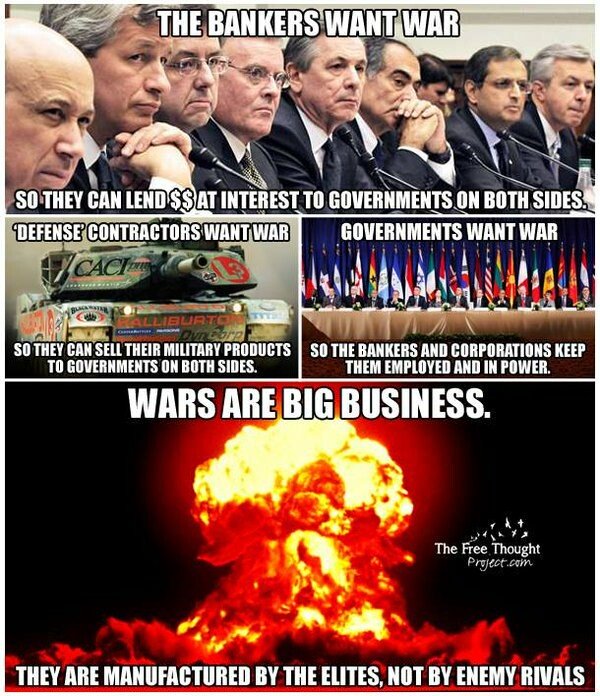
This obscene expenditure is not in any way conceivably a “defense budget” as it is termed in Orwellian newspeak. It is a dreadful and despicable war budget.
The United States spends more on its military than the next 11 top nations combined. Compared with China ($250bn) the U.S. budget is nearly three times bigger. The U.S. spends over 12 times more than Russia ($60bn) on its armed forces.
Those figures alone tell beyond any doubt which nation is the ultimate aggressor. Yet, farcically, the Western corporate media in Orwellian fashion portray China and Russia as the aggressors against whom the United States is “defending’ the rest of the world.
Biden’s 2022 National Defense Authorization Act (NDAA), as it is formally titled, devotes billions more to devising new nuclear weapons and to provoke China and Russia. Camouflaged with Orwellian rhetoric, there is some $7 billion for the “Pacific Deterrence Initiative” and $4 billion for the “European Defense Initiative”.
The Biden administration has committed a further $300 million in military support for Ukraine over the next year. This is on top of the $2.5 billion in arms that Washington has plowed into Ukraine since the CIA-backed coup d’état in Kiev in 2014 which brought to power a Russophobic regime.
Keep reading



 Hellbound and Down
You must be logged in to post a comment.