
What is most striking is that while Silicon Valley censorship of online speech and interference in political discourse is recognized as a grave menace to a healthy democracy around the democratic world, it is often dismissed in the U.S. — especially by journalists — as some sort of trivial “culture war” question when they are not actively cheering and even demanding more of it. Even more bizarre is that opposition to oligarchical censorship and monopoly power is often depicted by the liberal-left as a right-wing cause, largely because they perceive (inaccurately) that such oligarchical discourse policing will operate in their favor.
Tag: media
For the conspiracy theorists out there…
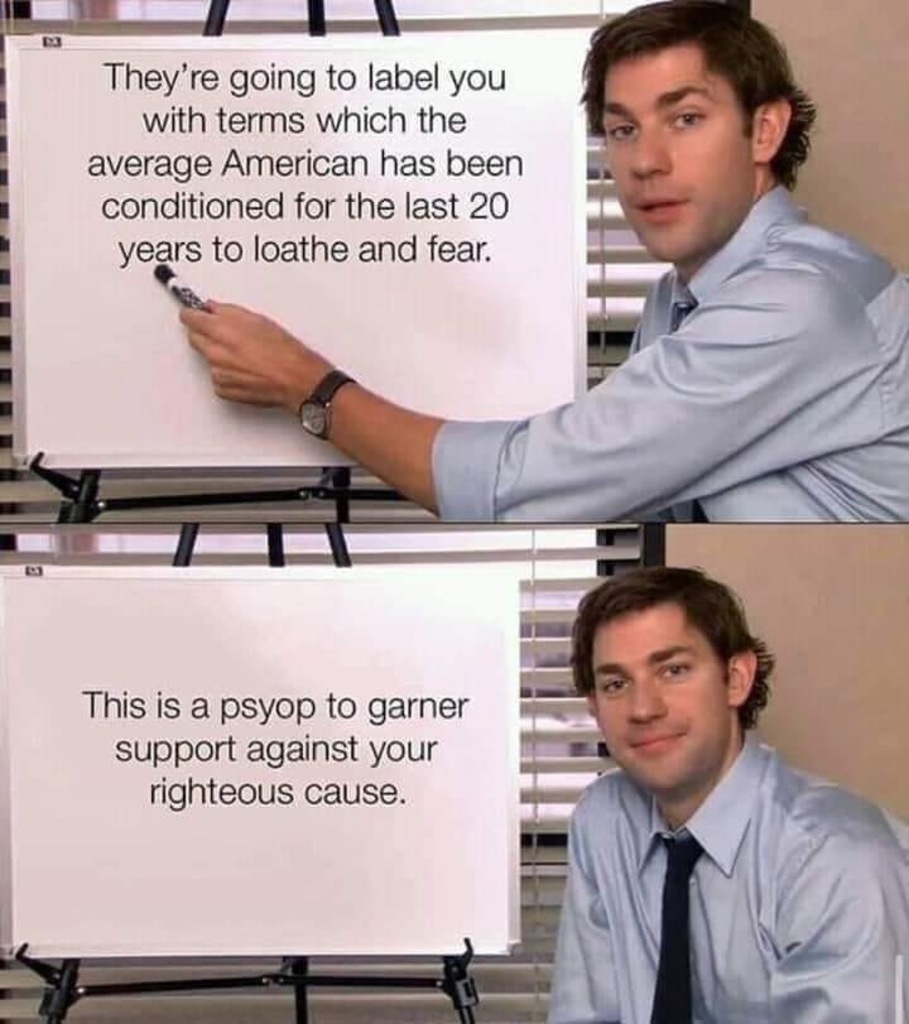
Media is the most dangerous drug of all…

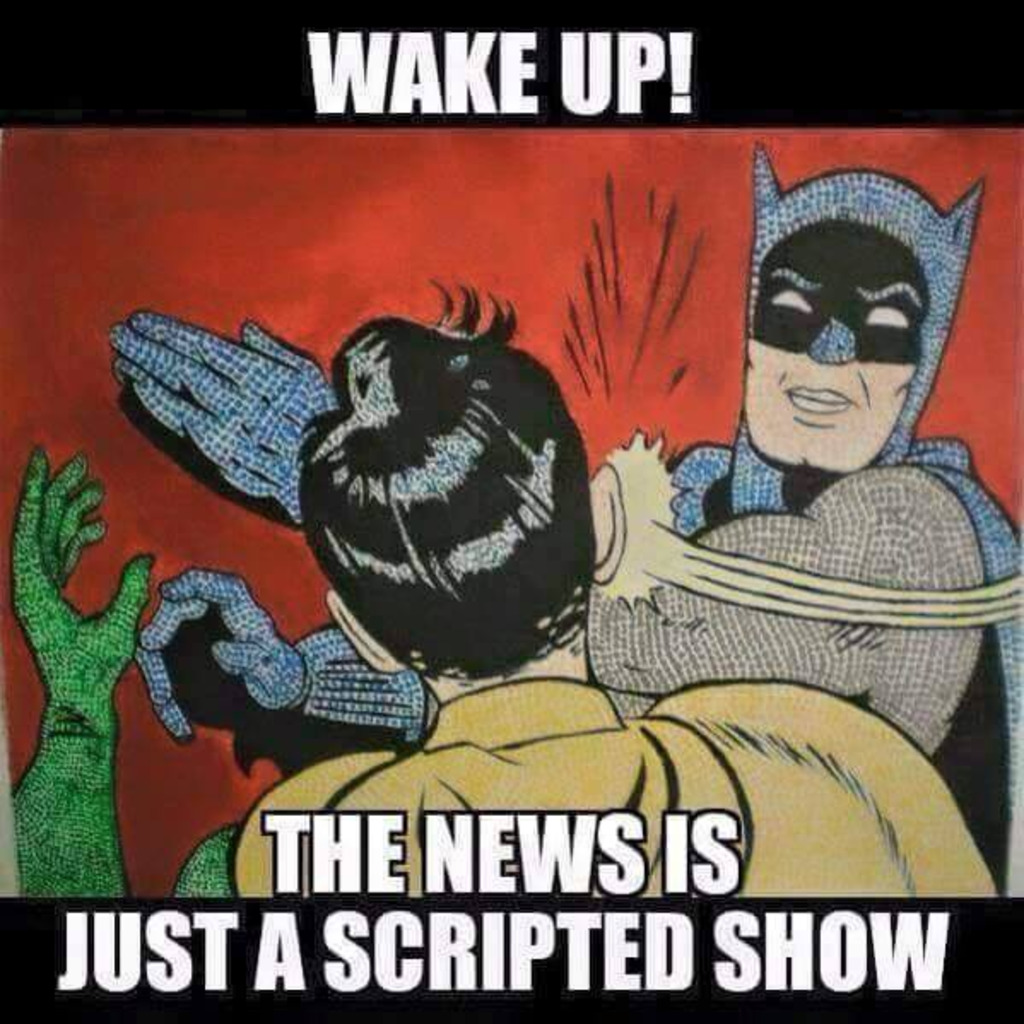
Wake up!
Congress Wants to Give the Establishment Media a Massive Handout
If there is one force in society worse than Big Tech, it’s Big Media – mainstream, establishment, and corporate media.
Yet a bill currently making its way through Congress would give a massive handout to the latter, ostensibly justified by criticism of the former.
The bill, introduced by Rep. David Cicilline (D-RI), is titled the “Journalism Competition and Preservation Act of 2019,” and it is a particularly troublesome piece of legislation, even by Democrat standards.
The title of a bill is quite deceptive. Far from promoting “competition,” the current version would instead cement the advantage of the establishment and corporate media at the expense of its competitors.
It would give Big Media companies a special exemption from antitrust law, allowing them to form a cartel that would, under normal circumstances, be illegal to create. But why should these establishment news companies be given a special exemption from antitrust law to negotiate on their own behalf something that applies only to their select few and not to all news companies and journalists? Of course, they should not.
Furthermore, there is nothing in the bill that would prevent the bigger media companies from excluding smaller companies from the cartel. If passed, there would be nothing to stop the formation of a cartel that includes CNN, NBC, MSNBC, the New York Times, the Washington Post, and other big companies, while excluding smaller competitors in the independent media — not to mention local newspapers. Such a cartel would secure favorable rates for the former while leaving the latter in the dust.
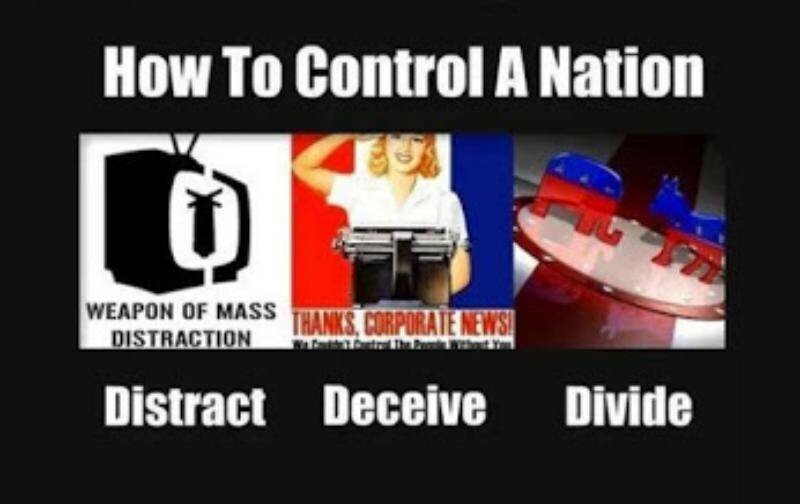
3 simple steps!
Criticizing Public Figures, Including Influential Journalists, is Not Harassment or Abuse
During Hillary Clinton’s ill-fated 2016 presidential campaign, one of the most common tactics used by her political and media supporters was to cast criticisms of her (largely from supporters of Bernie Sanders) not as ideological or political but as misogynistic, thus converting one of the world’s richest and most powerful political figures into some kind of a victim, exactly when she was seeking to obtain for herself the planet’s most powerful political office. There was no way to criticize Hillary Clinton — there still is not — without being branded a misogynist.
A very similar tactic was used four years later to vilify anyone criticizing Sen. Elizabeth Warren (D-MA) — also one of the world’s richest and most powerful figures — as she sought the power of the Oval Office. A major media theme was that she was being brutally assaulted by Sanders supporters who were using snake emojis to express dissatisfaction with what they believed was her less-than-scrupulous campaign, such as relying on millions of dollars in dark money from an anonymous Silicon Valley billionaire to stay in the race long after the immense failure of her campaign was manifest, and attempting to depict Sanders as a woman-hating cretin. When Warren finally withdrew from the race after having placed no better than third in any state including her own, Rachel Maddow devoted a good chunk of her interview with the Senator and best-selling author to exploring the deep trauma she experienced from the snake emojis.
The #BlueAnon Dossier, File #3 – Still More Conspiracies Fed By the Conspiracy-Hating Press
The press opposition to wild theories is belied by their obsession with them.
(See the prior installments with BlueAnon File #1 and Blue Anon File #2.)
In this third installment of the collection of crackpot theories cooked up by the media who decry the very practice, it is a mixture of the new and some older conspiracies. One thing to bear in mind in this lengthy list is that all of these are contemporary fever dreams. Every one of these dozens of examples has played out and been promoted during the Trump administration.
Some of the choices unearthed were either forgotten or so easily bypassed as hackneyed reporting they barely registered in the memory. But this has been an educational exercise; knowing the press is dysfunctional is one thing, but having them surpass even lowly regard is a head-shaking result. So to kick off this latest batch of bat-crap craziness in the press we’ll open with the newest.
The #BlueAnon Dossier, File #2 – More Press Conspiracies From the Conspiracy-Hating Press
Maybe they complain because it steals from the impact of their own crackpot theories?
In the previous entry, I laid out how the press loudly declares its opposition to conspiracy theories while also using them as an example to scorch Republicans, conservatives, and anyone on the right. The fact is the press follows the Qanon claims as closely as anyone, and the truth is they forward conspiracies at a clip far greater than the gauzy outfit known as Q — and with far greater reach and impact.
In an effort to both beat back the falsehoods behind their claims and to expose the rampant hypocrisy in these media hysterics, this is a rundown of some of the many wild claims and asinine stories pushed out not by anonymous internet denizens but the members of the press corps and major media outlets. The first entry in this edition is a perfect example of this dichotomy.
The #BlueAnon Dossier: The Conspiracies Promoted by the Conspiracy-Hating Press
For a group that talks about them with contempt, our journalists just LOVE to spread crackpot theories.
This past Thursday, on March 4, Washington was paralyzed. The National Guard troops were placed on high-alert with their unloaded weapons, the security fencing surrounding the Capitol was fortified, and Congress suspended its daily schedule. This was all done in preparation for a renewed assault on our nation’s capital and our democracy. The reason? The devotees of Qanon — that amorphous and overhyped cabal of political zealotry — were supposedly claiming that is the true inaugural date and that a failure of a Trump swearing-in ceremony would lead to renewed violence.
The Washington Post eventually came out to sheepishly report the empty streets seen in D.C. that day revealed something completely different: ‘’A March 4 threat from militant Trump supporters proves a mirage’’. This should be an abject embarrassment for the Democrats in Congress and the members of the media, but this is Washington we are speaking about; that emotion does not exist inside the beltway.
This non-episode reveals two details on the whole Qanon issue. One is that the press is intent to use this group as a political tool to attack conservatives, presenting their crackpot theories as mainstream thought within the movement. This attempt however exposes the other issue. In order to wield this weapon, the media needs to both pay close attention to Q theories, and then they need to broadcast them. What takes place then is the press taking these conspiracies far more seriously than anyone on the right; almost anytime I have heard of a Q talking point it is being promoted by someone in the press
The result: the embarrassment of last Thursday. The press has been so enamored over these conspiracy theories that they have developed their own version — dubbed BlueAnon. The industry that strives to deride conservatives for allegedly being beholden to Q-theories is actually borderline obsessed with conspiracies themselves. Here is the significant difference — while the hated Q-hysterics derive from randos on the internet, in the case of BlueAnon it usually involves crackpot theories pushed by the mainstream media.
Thus, to illustrate just how widespread these efforts have been, here is a list of just some of the wild claims we have witnessed being delivered in the press; you know, those people who despise conspiracy theories.
 Hellbound and Down
You must be logged in to post a comment.