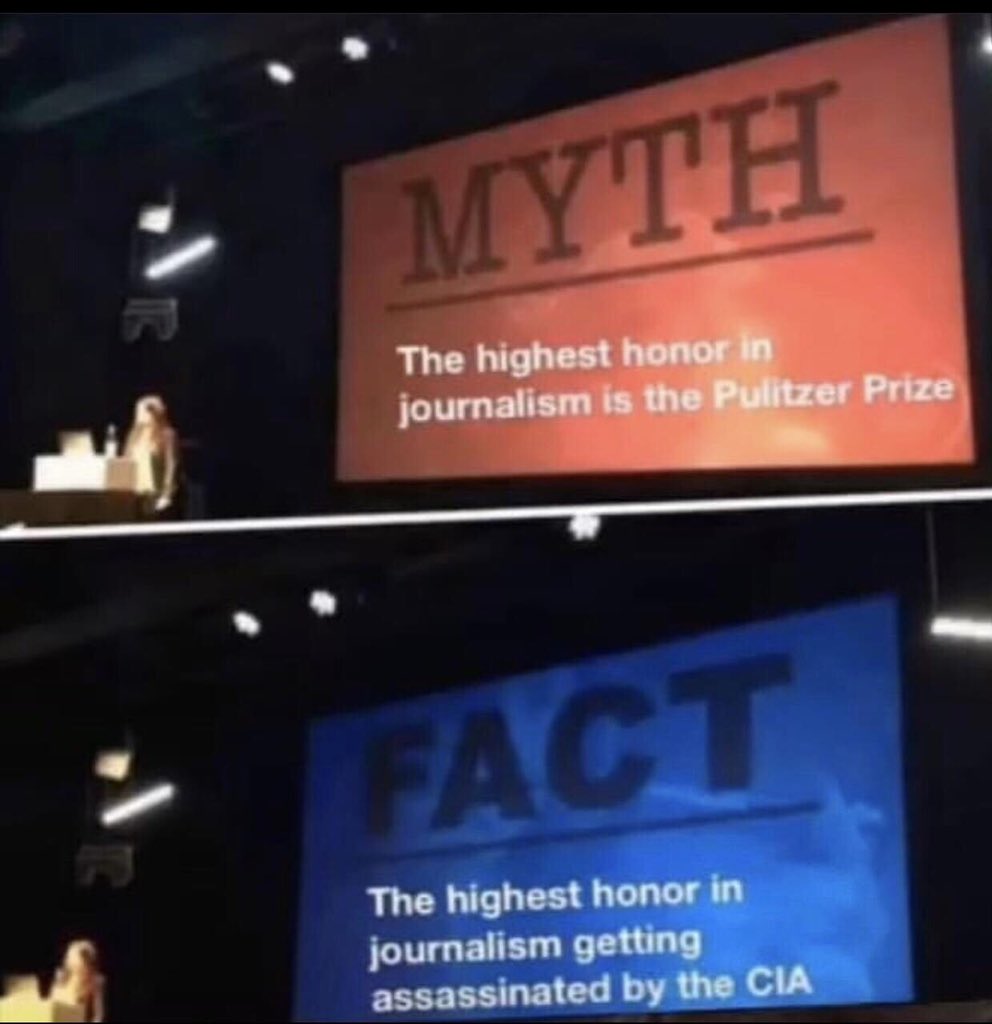
The real journalism prize…

The immediate trigger for Sulzberger’s memorandum was a Friday column written by Times opinion writer Bret Stephens, “The 1619 Chronicles.” Stephens is one of the Times’ leading columnists. An anti-Trump conservative, he pointed to the absurdity of many of the Project’s historical claims as well as its disregard for basic journalistic principles. Stephens concluded that the 1619 Project was “a thesis in search of evidence.”
Stephens quoted at length from historian James McPherson’s interview with the World Socialist Web Site, to which he provided a link. In early September 2019, the WSWS produced the first major exposure of the racialist falsifications of the 1619 Project, a few weeks after its rollout amidst an unprecedented media blitz. The WSWS followed this with interviews with scholars who dismantled the 1619 Project’s major claims—McPherson, Victoria Bynum, James Oakes, Gordon Wood, Dolores Janiewski, Adolph Reed, Jr., Richard Carwardine, and Clayborne Carson.
The Stephens column brought into the open the bitter conflict raging at the Times over its creation and promotion of the 1619 Project.


If there were any doubt left after 2016 as to what too much of the mainstream news media in America has become, it most certainly has been erased in 2020. Too often, many in my industry have revealed themselves as little more than propaganda tools for dueling political sides, no longer reporting the way journalists once did. We compete for the latest anonymous “scoop,” scandalous rumor, or unsupported accusation. We pounce on the supposed “bombshell” du jour and hype it on the news, accompanied by endless round robins with political operatives. Many of us don’t even bother to find and report on stories that powerful people and interests aren’t pushing.
To do this, too many of us have abandoned basic tenets of journalism. We ignore the suspicious timing of the handout “leaks” or scandals — as if nobody notices. We fail to explore or disclose sources’ motivations or conflicts of interest — as if nobody wonders about them. We don’t even pretend to assess the true news value of the “bombshell.” We’re simply happy to be of service to the propagandists; we invite them to use us, and our superiors reward us with admiration. Many of our peers either repeat the reporting, seek to confirm it using equally dubious methods, or discredit it. Rarely do we step back and consider that the whole drama is being orchestrated by political puppet-masters who count their successes by the number of news stories they generate.
Nearly seven in 10 Americans surveyed in a new poll — 69 percent — said they are more concerned about bias in the news others consume than in coverage they view themselves.
Six in seven Americans also said they believe there is at least “a fair amount” of political bias in news coverage in general, according to research from Gallup and the Knight Foundation released Thursday. A majority also agreed that it can be found in “the news source they rely on most.”
Education levels are also a key metric regarding respondents’ perspective on bias, pollsters found.
“Differences in Americans’ concern about the bias other people are exposed to are particularly striking when viewed by education level, with higher concern seen at each level of educational attainment,” the study finds. “Specifically, whereas 52 percent of Americans with a high school education or less are more concerned about bias in others’ news than in their own, the figure is 64 percent among those with some college education and is even higher among college graduates, 73 percent, and those with postgraduate education, which comes in at 77 percent.”
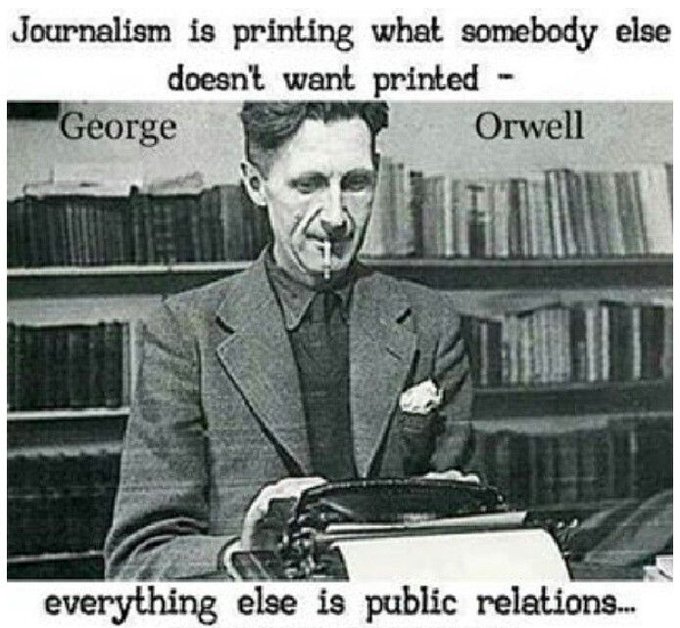
“Absolute truth is a very rare and dangerous commodity in the context of professional journalism.”
Hunter S. Thompson
 Hellbound and Down
You must be logged in to post a comment.