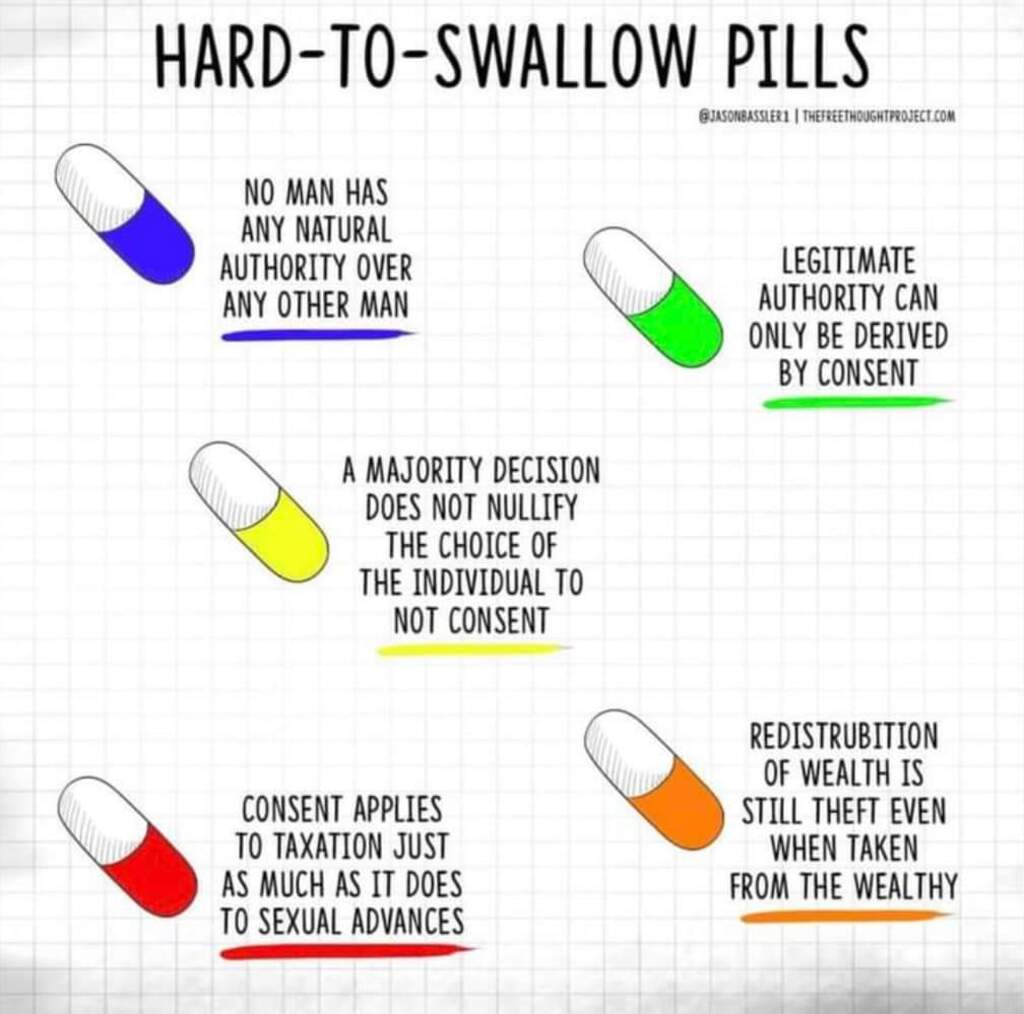
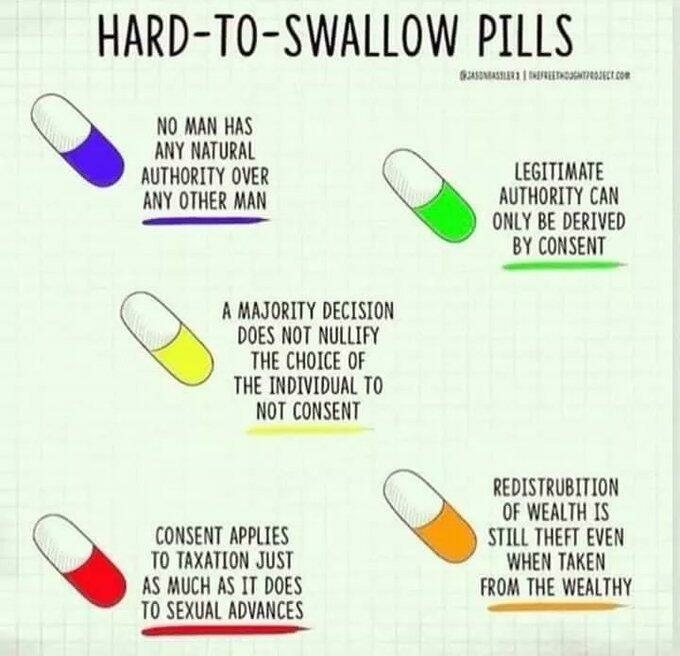
Archaeology’s woke trend: Obtain consent from someone who’s dead to study their bones

There’s an eerie new theory filling academia’s ivied walls – the living and the dead are the same. This latest argument against the use of human skeletal remains in research and teaching, which I’ve come across in person (from students who attended my talk at Brown University, an elite Ivy League college), proposes that the only ethical treatment of skeletal collections is to treat the dead like the living. I’ve seen this same argument, which is applied to prehistoric and historic anthropological collections used to reconstruct past peoples’ lives, in conference programs and on museum websites.

Those researchers interested in examining past populations through the study of human remains, thus, should be required to follow the same ethical guidelines as medical researchers who conduct their work on living people. We need to gather consent forms. The Smithsonian National Museum of Natural History took down their Written in Bone website that explored ways anthropologists looked at 17th-century residents of the Chesapeake Bay Area, which included colonists, African slaves, and European immigrants. This was because it had come to their attention that they had no consent forms from these people who died 300-years ago!

Interested in studying the past through bones? Now, you must also provide evidence that there are safeguards in place to avoid harming these long-dead individuals. And, researchers of past populations, regardless of how old these collections are, should be required to incorporate HIPAA (the law that provides living patients with privacy concerning their medical records) regulations into their research methods. Of course, it’s a bit difficult to get consent from someone who’s dead. Yet, the repatriation and reburial activists see this as just the right tool to bury the zombified remains whose, last wishes they assume, were to be reburied.

Could there be other tactics to get around these ethical issues? Maybe universities should start employing spirit mediums to run seances to ensure that we can connect with the dead, ask them questions, and get that much-needed consent form signed; can a ghost sign a paper?

Keep reading

UN report calls for decriminalization of all sexual activity, including between adults and children

A new report from the United Nations has called for all forms of drug use and sexual activity to be decriminalized globally.

Written by the International Committee of Jurists (ICJ), UNAIDS and the Office of the High Commissioner for Human Rights (OHCHR), the report was released on International Women’s Day, with the goal of guiding “the application of international human rights law to criminal law.” Called the “8 March principles,” the report calls for offenses related to “sex, drug use, HIV, sexual and reproductive health, homelessness and poverty” to be decriminalized.

The United Nations experts say that criminalizing offenses related to these issues constitute an attack on human rights.

“Criminal law is among the harshest of tools at the disposal of the State to exert control over individuals… as such, it ought to be a measure of last resort however, globally, there has been a growing trend towards overcriminalization,” Ian Seiderman, Law and Policy Director at ICJ, said in the press release. “We must acknowledge that these laws not only violate human rights, but the fundamental principles of criminal law themselves.”

While on the surface, it may seem relatively uncontroversial, the report calls for sex between adults and minors to be decriminalized, so long as the minors “consent”:

With respect to the enforcement of criminal law, any prescribed minimum age of consent to sex must be applied in a non-discriminatory manner. Enforcement may not be linked to the sex/gender of participants or age of consent to marriage. Moreover, sexual conduct involving persons below the domestically prescribed minimum age of consent to sex may be consensual, in fact, if not in law. In this context, the enforcement of criminal law should reflect the rights and capacity of persons under 18 years of age to make decisions about engaging in consensual sexual conduct and their right to be heard in matters concerning them.

Pursuant to their evolving capacities and progressive autonomy, persons under 18 years of age should participate in decisions affecting them, with due regard to their age, maturity and best interests, and with specific attention to non-discrimination guarantees.

Minors, of course, cannot truly consent to sex with an adult — something these so-called experts should know. 

Keep reading

Medical Journal Floats Concept of Using Braindead Women As Surrogates Through “Whole Body Gestational Donation”

An entry from the Journal of Theoretical Medicine and Bioethics is prompting outrage from women on social media after theorizing that the bodies of vegetative or braindead female patients could be utilized as “whole body gestational” surrogates.

The article, originally published in November of 2022, is titled Whole Body Gestational Donation, and floats the concept of utilizing vegetative women’s entire bodies as surrogates for “prospective parents who wish to have children but cannot, or prefer not to, gestate.”

Written by Anna Smajdor, a Professor of Practical Philosophy at the University of Oslo, Norway, the article proposes that it may be viable to utilize the donated bodies of women for gestational purposes in the same manner as donated organs are used.

“I suggest if we are happy to accept organ donation in general, the issues raised by whole-body gestational donation are differences of degree rather than substantive new concerns,” Smajdor writes in her abstract.

“As with many surrogacy arrangements, commissioning parents may prefer to create an embryo for implantation using their own gametes or those of donors. Thus, impregnation could be a surgical affair, preceded and followed by appropriate hormonal therapy to ensure maximal chance of success.”

Referencing previous theories by Israeli medical professor Rosalie Ber, Smajdor considers that the bodies of female patients in persistent vegetative states (PVS), or those who have experienced brain death, could be used as “whole body” incubators for surrogate children.

Keep reading

12-year-olds could get vaccinated without parental consent under bill proposed in Connecticut

Connecticut state Rep. Kevin Ryan has introduced a bill that would enable kids aged 12 and up to be vaccinated without parental permission.

“Be it enacted by the Senate and House of Representatives in General Assembly convened: That the general statutes be amended to allow a child twelve years of age or older to receive a vaccination with the consent of such child’s parent or guardian,” the text of the measure reads.

Connecticut House Minority Leader Rep. Vinnie Candelora described the proposal as “very disturbing.”

State Rep. Holly Cheeseman pushed back against the proposal, raising the prospect of a scenario in which a person’s child experiences “an adverse reaction” but the parent does not know what has happened to the child.

“Minors under the age of 18 cannot be vaccinated by a healthcare provider without parental consent,” according to portal.ct.gov. But the proposal put forward by Ryan would rob parents of this authority.

Keep reading

Senator in 2010 deposition: 13-year-olds can consent to sex

Before he became a leading voice for conservative causes on Capitol Hill, U.S. Senator James Lankford spent more than a decade as the director of youth programming at the Falls Creek Baptist Conference Center, a sprawling campground about 80 miles south of Oklahoma City that attracts more than 50,000 campers in grades six through 12 each year.

The Republican lawmaker’s tenure at the camp is a prominent feature of his political profile, noted in the first paragraph of his official Senate biography. That experience is also coming under renewed scrutiny as the Southern Baptist Convention, which is affiliated with the group that owns the camp, faces a reckoning over its handling of sexual abuse cases.

In 2009, while Lankford worked at the camp, the family of a 13-year-old girl sued a 15-year-old boy who was alleged to have had sex with her at the camp. Lankford, who was not in Congress at the time, is not alleged to have had any direct knowledge of the alleged assault, has not been accused of any wrongdoing and was not a defendant in the lawsuit, which was settled for an undisclosed amount before it was scheduled to go to trial.

But in a 2010 deposition in the case, given a week after he was elected to his first term in the U.S. House, Lankford testified that he believed a 13-year-old could consent to sex.

Keep reading

Illinois Bill Would Make Drunk Sex Illegal

A proposed bill in Illinois would make it illegal to have sex while intoxicated, classifying such an act as a person being “unable to give knowing consent.”

The ill-conceived bill was introduced in the Illinois House of Representatives at the end of January by state Rep. Mark Walker, a Democrat, and has since gained nine co-sponsors, including Republican Rep. Chris Bos. The text of the bill would amend the Criminal Code of 2012 to update the Sex Offenses Article of the Code to include a new definition for “unable to give knowing consent” that “includes when the victim is intoxicated, but the accused did not provide or administer the intoxicating substance.”

This means that someone who willingly drinks alcohol but then has sex with someone, possibly due to lowered inhibitions, can automatically claim to be a rape victim.

Defense attorney Scott Greenfield lamented the bill on Twitter, calling it “a nightmare.”

“Intoxication, rather than incapacitation, would make sex a crime for lack of consent, even if both are drunk. Whoever goes to the police first wins,” Greenfield tweeted. “This will be a nightmare.”

Keep reading