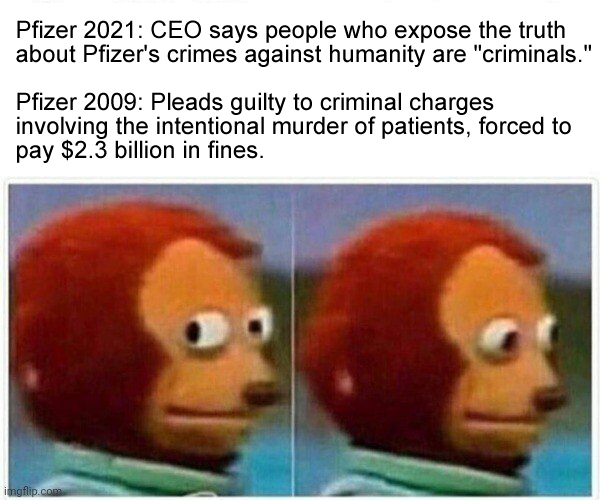
Ok, Pfizer…

Transportation Secretary Pete Buttigieg on Monday said the infrastructure bill will address the racist highway design meant to block black and brown kids from being bussed to the beach.
The program, dubbed “Reconnecting Communities,” will address racial inequities in the nation’s highway design.
“If an underpass was constructed such that a bus carrying mostly Black and Puerto Rican kids to a beach, […] in New York was designed too low for it to pass by, that that obviously reflects racism that went into those design choices,” Buttigieg said on Monday.
“I don’t think we have anything to lose by confronting that simple reality and I think we have everything to gain by acknowledging it and then dealing with it…” he added.
California Gov. Gavin Newsom has reappeared in public for the first time since October 27th, claiming he missed the Cop26 climate conference to go ‘trick-or-treating’ with his children.
Newsom spoke at the California Economic Summit, where he complained about the “treadmill” of work he had to plough through.
Fox News reports that Newsom’s children held an “intervention” during a family dinner because they “couldn’t believe I was going to miss Halloween.”
“He ultimately decided to stay home because the “knot” in his stomach was too much to bear,” according to the report.
Breitbart’s Joel Pollak wondered why Newsom had to miss the climate summit given that it is still ongoing and Halloween was 10 days ago.
“In addition to family, Newsom claims he has devoted the past two weeks to work — though he spent Saturday at the lavish wedding of billionaire oil heiress Ivy Getty, with Speaker of the House Nancy Pelosi (D-CA) officiating the nuptial vows,” he writes.
A writer with Slate has declared that the word ‘woke’ when used by a white person should be treated as a racial slur because it was “shoplifted” from the “black community”.
It’s the latest narrative in the debate over cancel culture.
It is no longer credible to declare that cancel culture doesn’t exist, and so the left has reverted to what it knows best, baseless accusations of racism and bigotry.
Along with a tacit threat, Slate hack Joel Anderson tweeted “If you’re not black and started using ‘woke’ pejoratively sometime post-2018 or so (or worse, don’t know anything about the earlier iteration of the term), I think it’s fair to consider it a racial slur.”
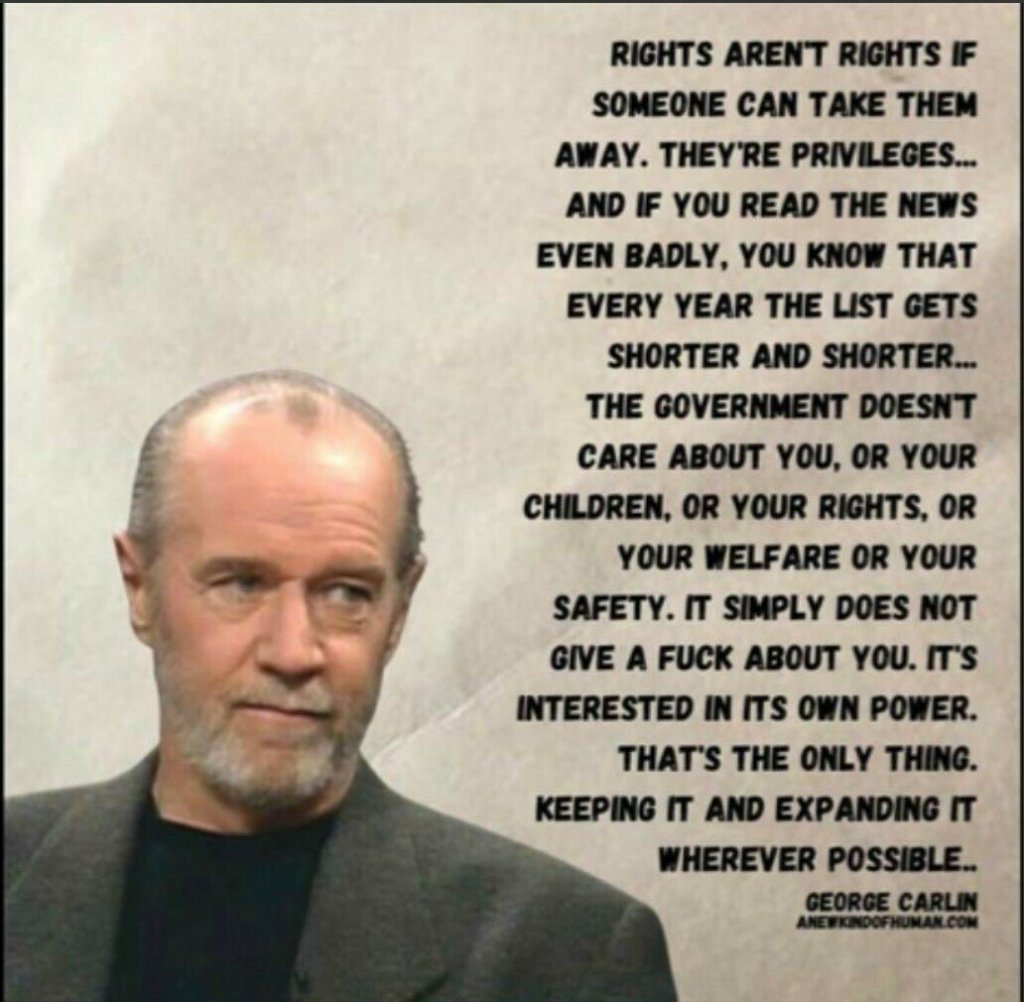
Big Tech platform Facebook is aggressively censoring any searches for information about the trial of Kyle Rittenhouse, an Illinois youth falsely accused of homicide by Wisconsin prosecutors following a self-defense incident at an ANTIFA riot.
Reports of Facebook turning off any and all search results amid the trial began last week, with Facebook users sharing evidence of totally disabled searches for Rittenhouse.
The block of information comes as Rittenhouse defense attorneys increasingly reveal a corrupt charade of a prosecution, with Kenosha County prosecutors implicated in coercing false testimony from witnesses and hardened ANTIFA militants openly admitting to chasing Rittenhouse armed with weapons during the shootings in August 2020.
Public information used by news outlets to report breaking news and neighborhood groups to monitor crime will be harder to access in Dallas.
Names are being redacted from public reports, and there are plans to delay real-time information about active crimes in the city.
City staff started quietly changing what shows up in open records and only said an “incident” spurred it. But it’s still unclear what that incident was. At least one member of the city council wants answers.
Certain records aren’t as open on the city of Dallas’ open records website.
The city stopped putting in the personal information for people who report or witness crimes. And it plans to redact more information and even delay real-time active 911 call data for 24 hours.
Russiagate has fallen apart, with special counsel John Durham exposing the notorious Steele Dossier as a collection of lies and made-up stories. But you wouldn’t know it by reading most of the media, which have mostly ignored the story.
More importantly, they haven’t faced up to their own part in pushing this witch hunt. Relying on one anonymous source — ex-British spy Christopher Steele — they spun a supposed conspiracy between Donald Trump and Russia. But they never revealed the fact that Steele was being paid by Hillary Clinton’s campaign for opposition research, and they never examined Steele’s sources, who were unreliable or nonexistent.
Here’s how the media amplified Steele’s baseless claims to create hysteria. None of these stories have been updated, no corrections have been made.
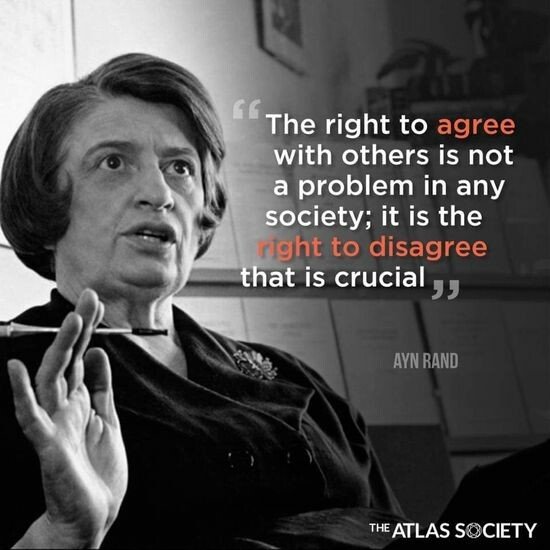
Pfizer CEO Albert Bourla strangely admitted that the major pharmaceutical corporation is getting briefed on “the spread of misinformation” of COVID-19 vaccines from “the CIA and FBI” while speaking to the globalist Atlantic Council.
After explaining to the council that Pfizer was being “targeted” by “dark organizations,” Bourla said that they “were getting briefings from the CIA and FBI” about cyber attacks. “But also about the spread of misinformation,” he added.


You must be logged in to post a comment.