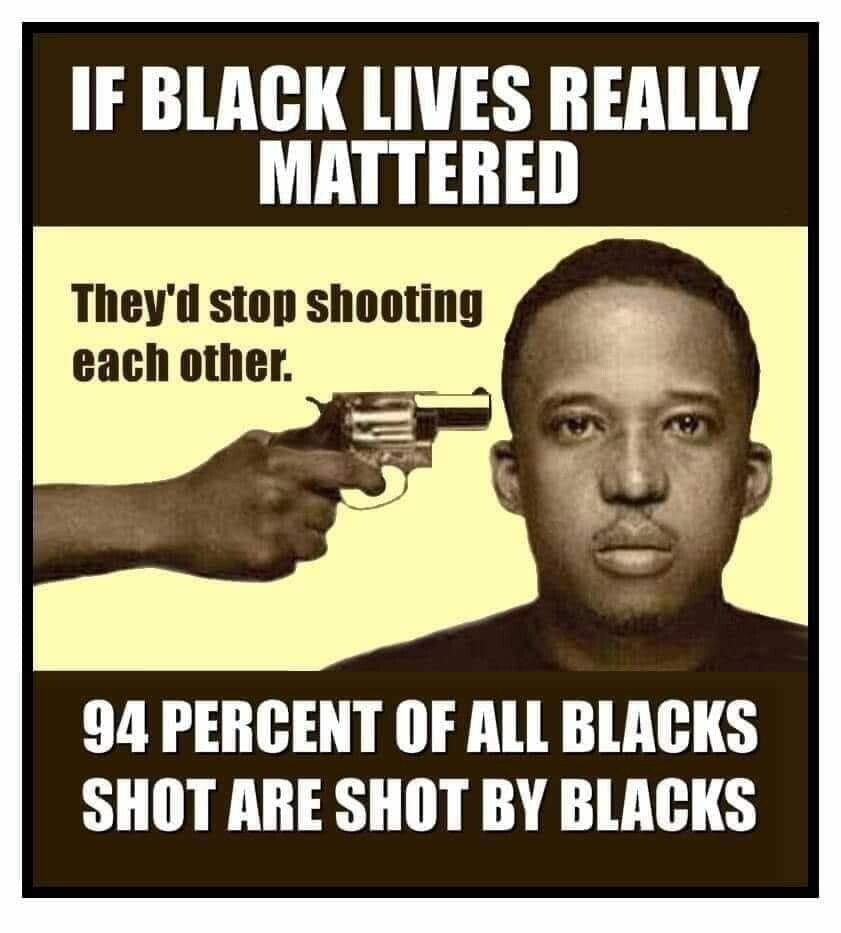
Forbidden truth…


Associated Press reporter Jonathan Lemire rejected the idea that there was any violence after the death of George Floyd in Minneapolis police custody last year while being quick to condemn the Capitol Hill violence that took place Jan. 6.
On Wednesday, with congressional hearings underway to examine the events that took place before and after the pro-Trump mob disrupted the certification of President Biden‘s election victory, Lemire appeared on MSNBC and attempted to contrast the political violence in Washington D.C. with what took place across the country last summer.
“Let’s be clear, to the different makeup of these protesters, of the people that we saw in June versus the people that we saw in January,” Lemire began. “In June, these were non-violent protesters, racially mixed, a lot of young people fueled by the Black Lives Matter movement. There was outrage by the death of George Floyd, a Black man killed under the knee of a White police officer in Minnesota. There was no violence there.”
Lemire, an MSNBC analyst, continued, “And then, of course, let us remember who was there in January. These were Trump supporters. They were White. They were people who, as it’s been well documented, if the racial makeup of that group had been different, the response at the Capitol likely would have been different as well.”
Liberal anchor Nicolle Wallace offered no pushback, quickly moving the conversation on to the “threat” to the U.S. Capitol.
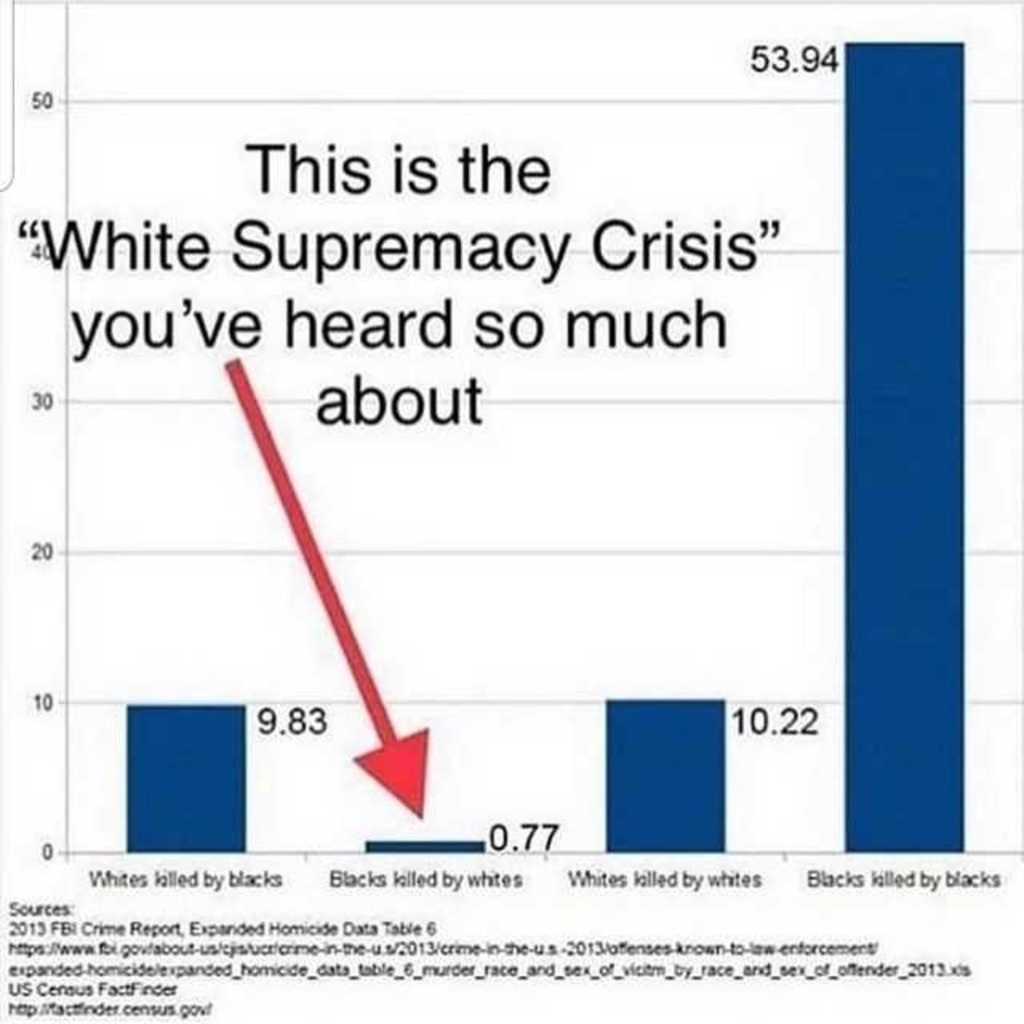
There’s been a rise in attacks on Asian-Americans in recent months, especially the elderly. This is true. Statistics confirm it.
But when it comes to perpetrators of recent acts of violence against Asian-Americans, it’s hardly white supremacy that’s to blame. Vicha Ratanapakdee, an immigrant from Thailand who lived in San Francisco, was brutally assaulted on video by Antoine Watson, a black 19-year-old.
Many attribute the 2020 uptick to the xenophobic rhetoric of Biden’s predecessor; former President Trump repeatedly referred to COVID-19 as “the China virus,” blaming the country for the pandemic. In doing so, Trump followed in a long American history of using diseases to justify anti-Asian xenophobia, one that dates back to the 19th and 20th centuries and has helped to shape perception of Asian Americans as “perpetual foreigners.”
Blaming the rise in physical assaults by whites on Asians because of the pandemic and Trump using the dreaded “Chinese virus” as a reason to hate doesn’t make any sense. This is especially true since almost all the attacks on Asians have been carried out by members of minority groups.

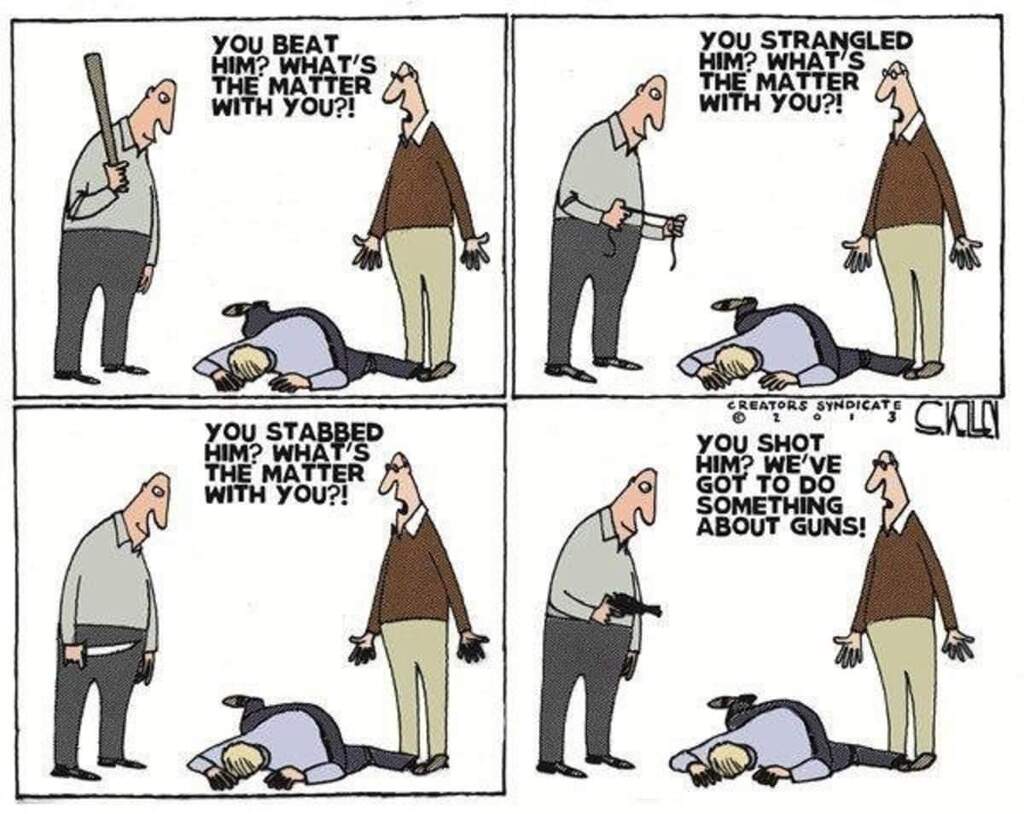
A Democrat lawmaker in Illinois has announced he wants to ban the sale of Grand Theft Auto (GTA), along with other video games that feature violence, after his state witnessed an increase in the amount of carjackings.
Democrat state Rep. Marcus Evans introduced the bill, HB 3531, which aims to amend an Illinois law preventing violent video games from being sold to children to an all-out ban on the sale “of all violent video games” to anyone.
During a press conference on Monday, Evans mentioned Grand Theft Auto by name and put into his own words what he believes to be an example of a violent video game. According to Evans, “a video game that allows a user or player to control a character within the video game that is encouraged to perpetuate human-on-human violence in which the player kills or otherwise causes serious physical or psychological harm to another human or an animal” is an example of a violent video game.
“The bill would prohibit the sale of some of these games that promote the activities that we’re suffering from in our communities,” Evans said.
“Grand Theft Auto and other violent video games are getting in the minds of our young people and perpetuating the normalcy of carjacking,” Evans continued. “Carjacking is not normal, and carjacking must stop.”
Evans also insisted that games like GTA promote behavior similar to that which has been seen prominently in Chicago.


 Hellbound and Down
You must be logged in to post a comment.