
- The CDC must be transparent about the side effects people may experience after getting their first shot of a coronavirus vaccine, doctors urged during a meeting Monday with CDC advisors.
- Dr. Sandra Fryhofer said that both Pfizer’s and Moderna’s Covid-19 vaccines require two doses and she worries whether her patients will come back for a second dose because of potentially unpleasant side effects after the first shot.
- Both companies acknowledged that their vaccines could induce side effects that are similar to symptoms associated with mild Covid-19, such as muscle pain, chills and headache.
Tag: vaccines
Airline Won’t Allow People To Fly Without COVID Vaccine
Qantas will not allow passengers on international flights unless they have been vaccinated against COVID-19 prior to departure.
The Austrlian airline’s chief executive, Alan Joyce, has stated that he believes a vaccine will become ‘a necessity’ once the jab is rolled out, not just for Quantas but for other airlines too.
The majority of Qantas’s international routes are currently suspended on account of the ongoing closure of Australia’s borders to non-residents. It’s expected that most of these routes won’t be reopened until sometime in the middle of next year.
Just sayin’…

Just say no.

UK terrorism chief calls for ‘national debate’ on criminalizing doubts about Covid-19 vaccine
The UK’s top counter-terrorism cop has suggested society stop allowing people to question the wisdom of a rapid Covid-19 vaccine rollout, regarding such skepticism to be life-threatening “misinformation.”
Met Assistant Commissioner Neil Basu has pointedly questioned whether it is “the correct thing for society to allow” the sharing of “misinformation that could cost people’s lives” — demonizing all doubts about quickly developed Covid-19 vaccines whose potential long-term effects are not yet known and tying them to extremist radicalization efforts.
While he didn’t go so far as to call for a law to be passed banning such content, his suggestion of a “national debate” will presumably light a fire under ministers already mulling such legislation.
Basu also expressed worries about a “sharp increase in extremist material online in the last few years” during Wednesday’s press conference, warning of a “new and worrying trend in the UK” of young people being radicalized. Officials told UK media that Islamic extremists and far-right groups were using “false claims about coronavirus” to radicalize their followers.
Social media users already wary of the rush to roll out the vaccine were disturbed by the attendant rush to criminalize criticism of it.
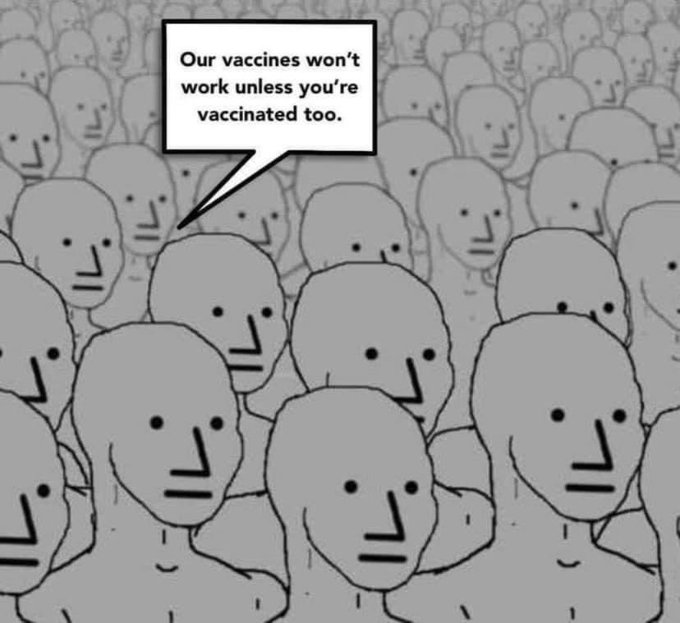
Vaxxer logic…
Food stamps, rent assistance may be withheld from those who refuse Covid-19 vaccinations
Americans who refuse to get mandated Covid-19 vaccinations may lose benefits such as food stamps (WIC) and rent assistance, according to a document from Johns Hopkins Bloomberg School of Public Health’s Center for Health Security.
According to the document, one of the top members of the “Working Group of Readying Populations for COVID-19 Vaccines” is Luciana Borio, MD, a prominent member of Joe Biden’s Covid-19 taskforce.
Borio recommends recruiting celebrities and social media influencers to speak to “specific audiences” about the urgency of taking the vaccine.
The document says “bundling” vaccines with food stamps would be, “a way to build trust” among low-income people such as “Blacks and minority communities.”
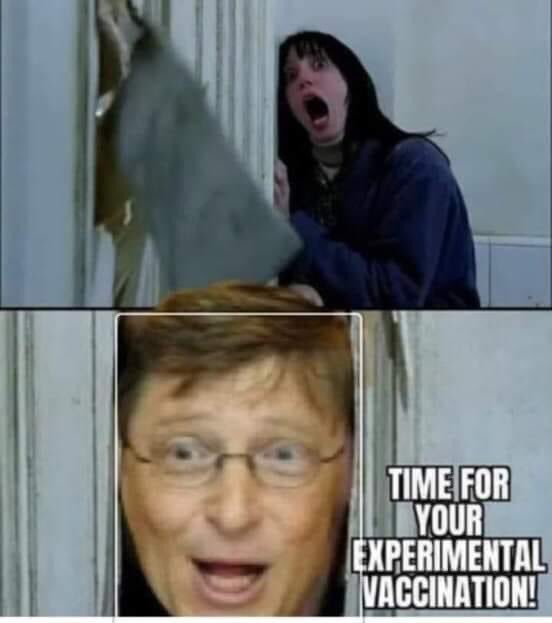
Be the first to try it…
Metropolitan Police counter-terror chief Neil Basu calls for action on coronavirus anti-vaxxers
Britain’s top counter-terrorism officer today called for a nationwide debate on the introduction of new laws to punish people who spread anti-vaccination conspiracy theories.
Met Assistant Commissioner Neil Basu said that there should be a discussion about whether it is “the correct thing for society to allow” people to spread “misinformation that could cost people’s lives” as he responded to concern that false claims online could undermine the take up of Covid-19 vaccines.
Mr Basu stopped short of endorsing the idea of a new law but his intervention will strengthen pressure on ministers to act against conspiracy theorists making false claims about the vaccines.
“There is a debate for society to have about free speech and responsibility and people who are spreading misinformation that could cost people’s lives… whether that is the correct thing for this society to allow to happen,” said Mr Basu.
Officials said that one reason for Mr Basu’s concern was that Islamist and far-Right groups were using false claims about coronavirus to radicalise followers.
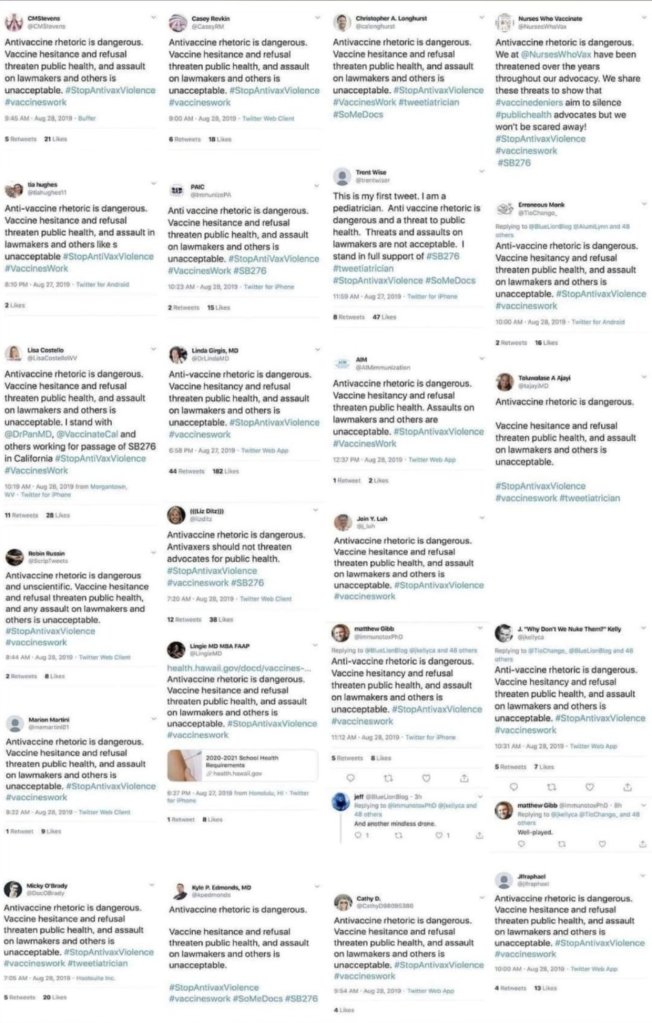
An army of bots, vaccine edition…
 Hellbound and Down
You must be logged in to post a comment.