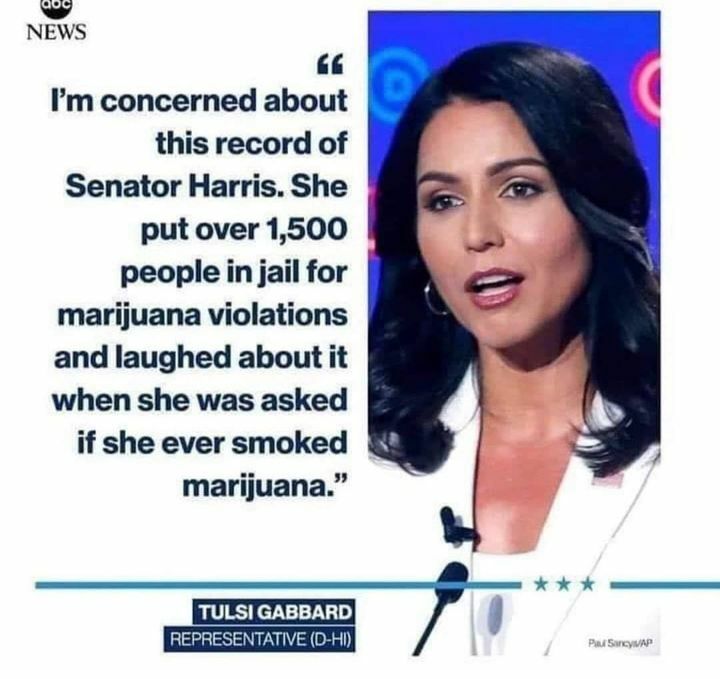
Tulsi Gabbard on Kamala Harris…


Few people know that new prescription drugs have a 1 in 5 chance of causing serious reactions after they have been approved. That is why expert physicians recommend not taking new drugs for at least five years unless patients have first tried better-established options, and have the need to do so.
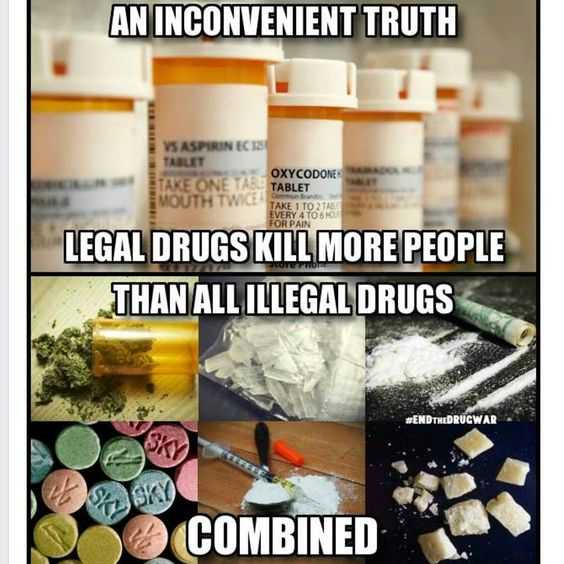
Few know that systematic reviews of hospital charts found that even properly prescribed drugs (aside from misprescribing, overdosing, or self-prescribing) cause about 1.9 million hospitalizations a year. Another 840,000 hospitalized patients are given drugs that cause serious adverse reactions for a total of 2.74 million serious adverse drug reactions. About 128,000 people die from drugs prescribed to them. This makes prescription drugs a major health risk, ranking 4th with stroke as a leading cause of death. The European Commission estimates that adverse reactions from prescription drugs cause 200,000 deaths; so together, about 328,000 patients in the U.S. and Europe die from prescription drugs each year. The FDA does not acknowledge these facts and instead gathers a small fraction of the cases.
Perhaps this is “the price of progress”? For example, about 170 million Americans take a prescription drug, and many benefit from the drug. For some, drugs save their life or keep them alive. About 80 percent of them are generic; that is to say, drugs whose benefits and risks are better known. If we suppose they all benefit, then 2.7 million severe reactions is only about 1.5 percent.
But as far as we can tell (very little research is funded on prescription drugs as a health risk compared to less deadly risks like diabetes or Alzheimer’s disease), millions who take new, patented drugs experience only modest benefits over established drugs. Only a small percent of new drugs provide significant advantages for patients to offset these risks of harm. Independent reviews over the past 35 years have found that only 11 to 15 percent of newly approved drugs have significant clinical advantages over existing, better-known drugs. These contribute to the large medicine chest of effective drugs developed over the decades. But the 85 to 89 percent with little or no clinical advantage flood the market. About four-fifths of the additional $70 billion spent on drugs since 2000 in the U.S. (and another $70 billion abroad) have been spent on these minor new variations rather than on the really innovative drugs.
Top University of South Carolina researchers think the chemical in marijuana that induces a “high” may be effective in treating a potentially lethal coronavirus complication, according to three newly released studies
The studies, co-published by Prakash Nagarkatti, found THC, the most potent mind-altering chemical in cannabis, can — in mice — prevent a harmful immune response that causes Acute Respiratory Distress Syndrome (ARDS) and cause a significant increase in healthy lung bacteria.
The studies, published in Frontiers in Pharmacology, the British Journal of Pharmacology and the International Journal of Molecular Sciences, were conducted by giving mice a toxin that triggered the harmful immune reaction that causes ARDS and then injecting mice with THC, according to the studies’ abstracts.
“The underlying mechanism is your immune system goes haywire and starts destroying your lungs and all your other organs,” Nagarkatti said of ARDS.
“Its’ like a car where you’re putting on a lot of accelerator, but the brakes aren’t working,” Nagarkatti said. “Basically what’s going to happen is your car is going to crash because you can’t stop it. And that’s basically what’s happening with ARDS.”

The House will vote on legislation next month to remove cannabis from the Controlled Substances Act and erase some marijuana criminal records.
The bill would not legalize the drug, which would be left up to states, but the vote will still be a historic step in the effort to reduce legal penalties related to the drug. House Majority Whip James Clyburn (D-S.C.) said in an email to members that the vote will take place during the September work period.

 Hellbound and Down
You must be logged in to post a comment.