
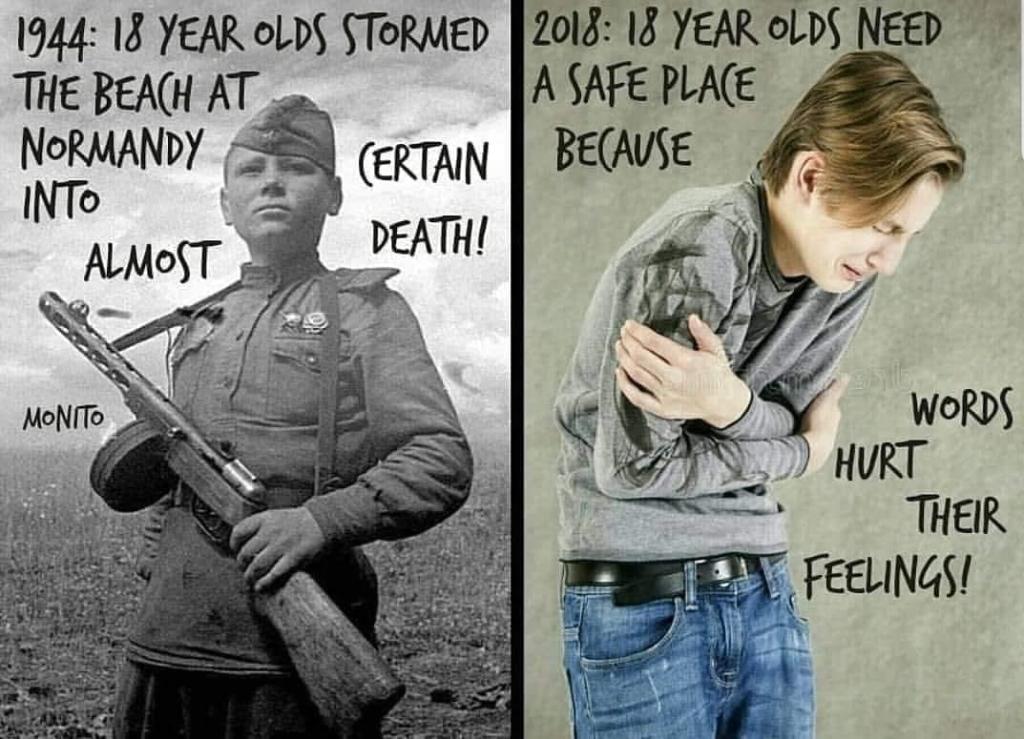
The concept of “safe spaces” in academia began to emerge in the 1970s, gaining popularity during the Obama administration. At that time, the left repurposed the idea to shield students, often with the support of far-left faculty, from viewpoints they found uncomfortable or offensive, especially conservative ones. Conservatives like Ben Shapiro were treated as existential threats, prompting safe spaces to be “activated” whenever opposing ideas dared to enter the lecture halls.
The irony is telling; many of the very students who champion safe spaces have driven conservative or even “moderate” professors out of their jobs, verbally harassed right-leaning classmates, and, more recently, escalated attacks on Jewish students at campuses across the nation, including UCLA, Harvard and Columbia.
“Columbia University cracked down on dozens of students who participated in the anti-Israel encampment and a recent takeover of a campus library, where protesters injured at least two public safety officers and vandalized the building… over 70 students of the New York City-based institution are facing consequences, with about 80% of them receiving suspensions, expulsions or degree revocations. Most of those suspended received two-year suspensions,” reported Samantha Kamman of the Christian Post.
 Hellbound and Down

You must be logged in to post a comment.