Remember…

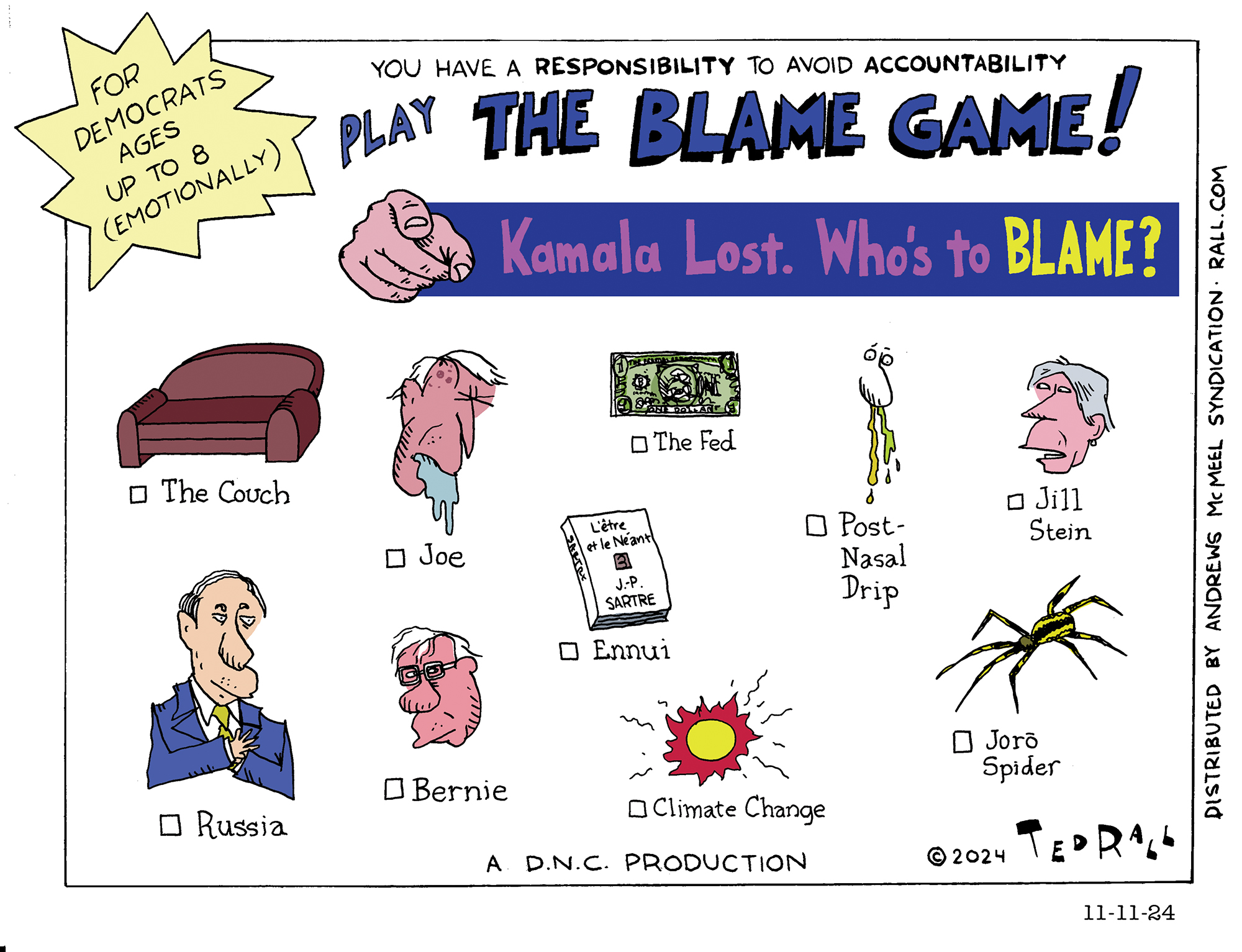

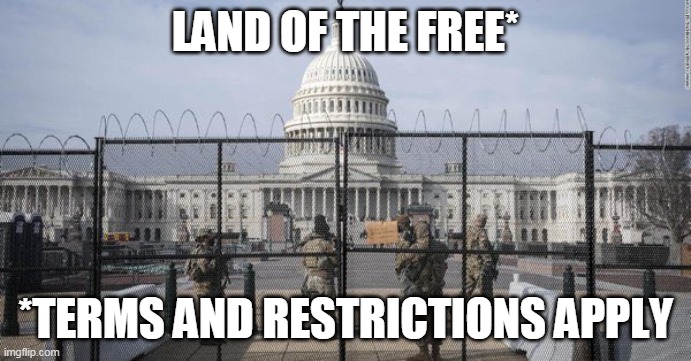
California’s state legislature has passed several bills related to “AI,” including a ban on deepfakes “around elections.”
The lawmakers squeezed these bills in during the last week of the current sessions of the state Senate and House, and it is now up to Governor Gavin Newsom (who has called for such laws) to sign or veto them by the end of this month.
One of the likely future laws is Defending Democracy from Deepfake Deception Act of 2024, which aims to regulate how sites, apps, and social media (defined for the purposes of the legislation as large online platforms) should deal with content that the bill considers to be “materially deceptive related to elections in California.”
Namely, the bill wants such content blocked, specifying that this refers to “specified” periods – 120 days before and 60 days after an election. And campaigns will have to disclose if their ads contain AI-altered content.
Now comes the hard part – what qualifies for blocking as deceptive, in order to “defend democracy from deepfakes”? It’s a very broad “definition” that can be interpreted all the way to banning memes.
For example, who’s to say if – satirical – content that shows a candidate “saying something (they) did not do or say” can end up “reasonably likely” harming the reputation or prospects of a candidate? And who’s to judge what “reasonably likely” is? But the bill uses these terms, and there’s more.
Also outlawed would be content showing an election official “doing or saying something in connection with the performance of their elections-related duties that the elections official did not do or say and that is reasonably likely to falsely undermine confidence in the outcome of one or more election contests.”
If the bill gets signed into law on September 30, given the time-frame, it would comprehensively cover not only the current campaign, but the period after it.
A FIFTY-one-year-old Egremont man has become the latest person in the county to be jailed for posting racially aggravated online social media posts linked to national civil unrest.
Sellafield worker Lee Joseph Dunn, of Church Street, appeared at Carlisle Magistrates’ Court this afternoon (Monday).
Dunn pleaded guilty to one offence. He admitted sending, by means of a public electronic communications network, a message that was grossly offensive or of an indecent, obscene or menacing character.
His crime occurred on July 30 and 31 and involved three shared Facebook posts.
Prosecutor George Shelley said Dunn had posted three separate images. The first one showed a group of men, Asian in appearance, at Egremont crab fair 2025, with the caption: “Coming to a town near you.”
The second also showed a group of men, Asian in appearance leaving a boat on to Whitehaven beach. This, said Mr Shelley, had the caption: “When it’s on your turf, then what?”
A final image showed a group of men, again Asian in appearance, wielding knives in front of the Palace of Westminster. There was also a crying white child in a Union flag T-shirt. This was also captioned, said Mr Shelley, with the wording: “Coming to a town near you.”
Cumbria Police had confirmed before the hearing that Dunn had been charged with posting offensive and racially aggravated content online.
Minnesota Gov. Tim Walz (D) referred to a crude sex joke based on a fake meme to make fun of rival Sen. JD Vance (R-OH) during a rally in Philadelphia, Pennsylvania, on Tuesday as Vice President Kamala Harris’s running mate.
“I can’t wait to debate the guy,” Walz said, to cheers. Then he added: “That is, if he’s willing to get off the couch and show up.”
The crowd roared with laughter.
“You see what I did there?” he said, clearly aware of the joke.
The joke refers to a meme that claims Vance had sex with a couch, based on a fake citation from his memoir, Hillbilly Elegy.
The meme was widely shared and repeated among “progressives” looking for something bad to say about Vance.
The author of the original hoax told Business Insider that the ease with which people believed his fake citation “hasn’t bolstered his faith in the critical-thinking skills of the electorate.”
Walz, supposedly bringing Midwest decency to the ticket, launched his campaign with a crude sexual joke — one based on deliberate misinformation.
A FBI staffer has come under fire for posting an insensitive message following the recent assassination attempt on former President Donald Trump.
Jenna Howell, reportedly employed in the FBI’s research identity department, shared a meme online that appeared to express disappointment that the assassination attempt had failed.
The Federalist reported that the image depicted the grim reaper attempting to grab a Trump doll from a claw machine, with the caption “Awww so close.”
Adding fuel to the controversy, Howell allegedly shared another meme criticizing those who denounced political violence.
When the Obama White House in 2013 used the “Success Kid” meme to promote, in posts on social media, the adoption of the Immigration Reform Bill – nobody clenched a fist, much less batted an eyelash to brand this PR strategy as a copyright violation.
However, the same can’t be said for the case of former Republican Congressman Steve King’s use of the meme (variations of which have been all over the internet for the past 15 or so years). But, when it made its way to one of King’s Facebook posts in 2020, the family of the child whose picture is used as a template sued on copyright grounds.
And now a court has once again sided with their arguments. The “new rule” is that the image turned into a meme, when used in a political ad, does not fall under the fair use copyright exemption.
The mother of the child, Laney Griner, has no problem with the picture being used in other types of ads – the United States Court of Appeals For the Eighth Circuit ruling notes that she took the photo in 2007, and after “Success Kid” became extremely popular, copyrighted it in 2012 to then license it to the likes of Virgin Mobile, Vitamin Water, Microsoft, and Coca-Cola, who used it in ads.
The original 2022 verdict in the case brought by Griner against King was that unlicensed use took place and that his campaign, but not the congressman himself, was guilty, and ordered them to pay $750.
In appealing the ruling, the campaign argued copyright law’s fair use rule to defend the inclusion of the meme in a fundraising effort. Another argument was implied license.


You must be logged in to post a comment.