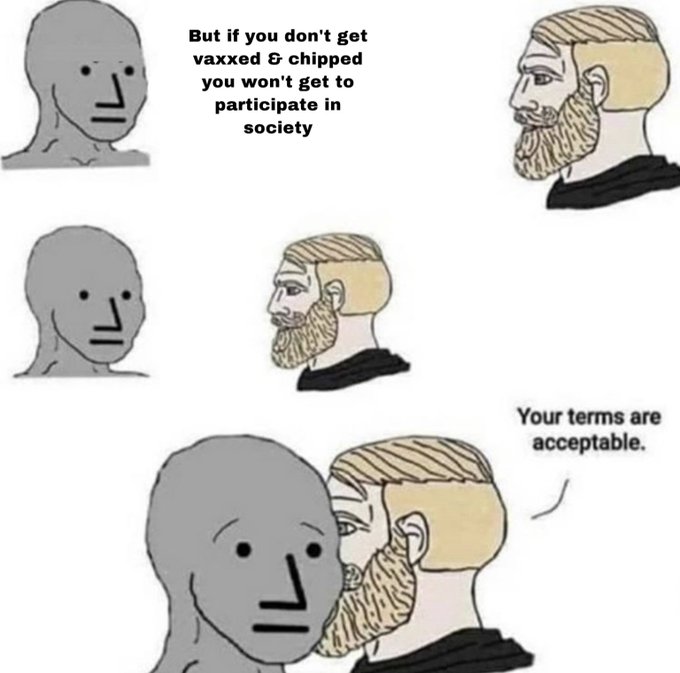
2 can play at that game…

It’s not every day that President Trump outflanks his progressive critics on the issue of ‘consent’.
But according to some recent comments from the president, skeptics worried about the prospect of mandatory vaccination orders in the US and in the UK have rallied to voice their opposition.
But if President Trump is reelected, Americans who are concerned about what some ‘experts’ have characterized as a ‘rushed’ approval process for the COVID-19 vaccine won’t need to worry about being forced to accept the vaccine and vaccinate their children. Because President Trump says he will not issue a mandate requiring that individuals receive the coronavirus vaccine once one becomes widely available.
Jorgensen last night volunteered the latter as an example of the type of “personal decision” best left to individuals, rather than determined via the political process. So I asked her whether, philosophically, she considered it wise for public schools to require children be vaccinated as a condition for enrollment.
“I think it is immoral,” she responded. Then, after noting that she personally has chosen to vaccinate her family, Jorgensen contrasted vaccination policy with the types of prohibitions Libertarians have long opposed—on drugs, gambling, vaping, consensual sex transactions, and so on.

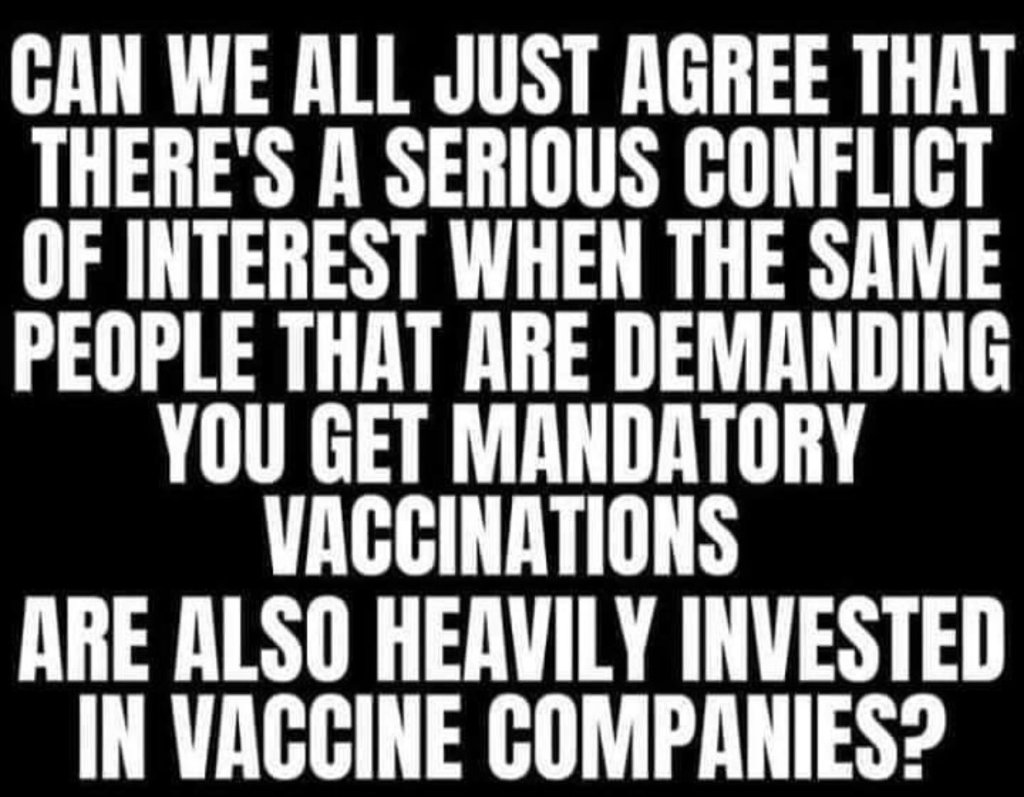
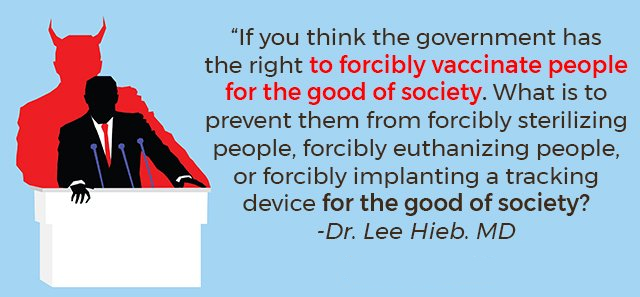
Protesters have swarmed downtown Boston and the state Capitol in the seven weeks since Republican Gov. Charlie Baker issued the first-of-its-kind requirement for students from preschool through college.As the Massachusetts mandate plays out, other states have weighed similar requirements while colleges throughout the country pile on their own orders to prevent flu patients from clogging doctors offices and emergency rooms alongside people infected with coronavirus this winter.
State laws across the country already require various vaccines for students and health care workers, while allowing a host of exemptions. Governments still have broad authority to implement new flu shot orders, potentially paving the way for mandatory inoculation against the coronavirus in a country where vaccine skepticismis spreading and President Donald Trump has resisted many public health protocols during the pandemic.
“This is a brave new experiment by the state of Massachusetts,” said Lawrence Gostin, who heads a university-based center on health law that serves as an official collaborating institute with the World Health Organization. “If it turns out to be a wholesale success, that should influence other states to go a similar route, not just with flu but with other vaccines. But if it causes a backlash and only marginal benefit, states might be hesitant to adopt that model in the future.”


As Friday’s hospitalization numbers across the Sun Belt appear to confirm CDC head Dr. Robert Redfield’s assertion that the American COVID-19 outbreak has peaked and is starting to fade, the State of Virginia is setting a new precedent by seriously discussing forcing Virginians to be vaccinated with whatever rushed-to-marked candidate the FDA approves first.
During an interview that aired on Friday, the state’s health commissioner said he planned to invoke state law to make vaccinations mandatory – once a western product is available, presumably.
 Hellbound and Down
You must be logged in to post a comment.