George Orwell on politics…

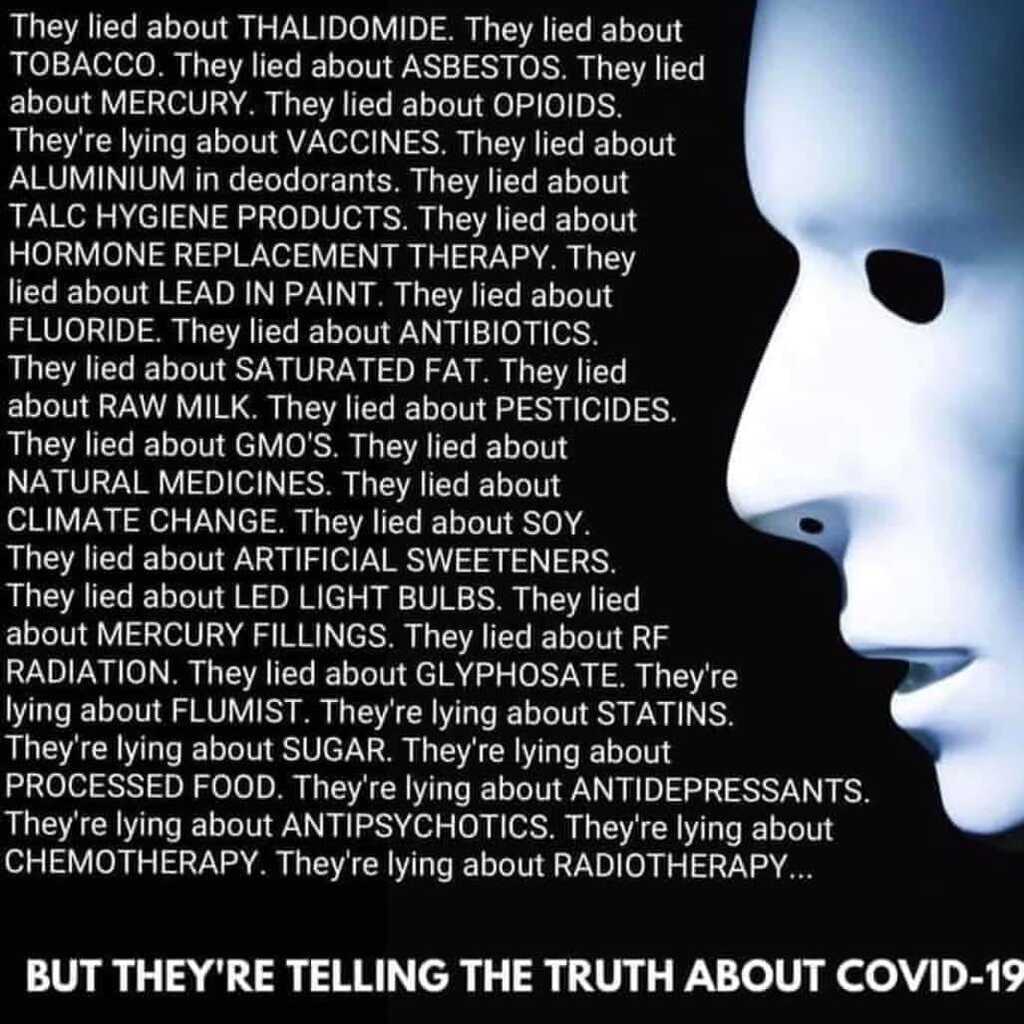

What took place at the Capitol on January 6 was undoubtedly a politically motivated riot. As such, it should not be controversial to regard it as a dangerous episode. Any time force or violence is introduced into what ought to be the peaceful resolution of political conflicts, it should be lamented and condemned.
But none of that justifies lying about what happened that day, especially by the news media. Condemning that riot does not allow, let alone require, echoing false claims in order to render the event more menacing and serious than it actually was. There is no circumstance or motive that justifies the dissemination of false claims by journalists. The more consequential the event, the less justified, and more harmful, serial journalistic falsehoods are.


Today we begin with an investigation regarding the Covid-19 vaccine shortages. There are serious questions about an incorrect claim made by top scientists at CDC: the nation’s premiere public health institute. Critics call it misinformation. CDC chalks it up to an “honest mistake.” Whatever it is, it resulted in vaccines going to some who are said to need it the least depriving others who are said to need it the most.
Like a lot of Americans, Congressman Thomas Massie already had coronavirus and wanted to know if he should still get a Covid vaccine.
Most everyone who’s had Covid-19 is considered immune. But how long immunity lasts is unknown—whether it’s after infection or vaccination.
An award-winning scientist himself, Massie quickly found that vaccine studies showed no benefit to people who’ve had coronavirus. Vaccination didn’t change their odds of getting reinfected.
The controversy began when Massie noticed the CDC was claiming the exact opposite.
 Hellbound and Down
You must be logged in to post a comment.