
Everyone’s Afraid to Speak
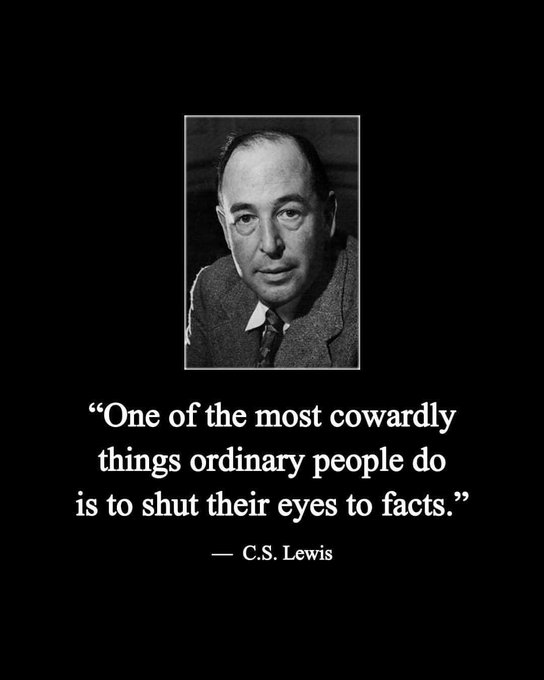
Someone our family has known forever recently told my sister that they’ve been reading my Substack and that if they wrote the things I write, people would call them crazy. I got a kick out of that—not because it’s untrue, but because it reveals something darker about where we’ve ended up as a society. Most people are terrified of being themselves in public.
My sister’s response made me laugh: “People do call him crazy. He simply doesn’t care.” The funniest part is that I don’t even write the craziest stuff I research—just the stuff I can back up with sources and/or my own personal observations. I always try to stay rooted in logic, reason and facts though—I’m clear when I’m speculating and when I’m not.
This same guy has sent me dozens of private messages over the last 4 or 5 years challenging me on stuff I share online. I’ll respond with source material or common sense, and then—crickets. He disappears. If I say something he doesn’t want to hear, he vanishes like a child covering his ears. Over the last few years, I’ve been proven right about most of what we’ve argued about, and he’s been wrong. But it doesn’t matter—he’s got the memory of a gnat and the pattern never changes.
But he’d never make that challenge publicly, never risk being seen engaging with my arguments where others might witness the conversation. This kind of private curiosity paired with public silence is everywhere—people will engage with dangerous ideas in private but never risk being associated with them publicly. It’s part of that reflexive “that can’t be true” mindset that shuts down inquiry before it can even begin.
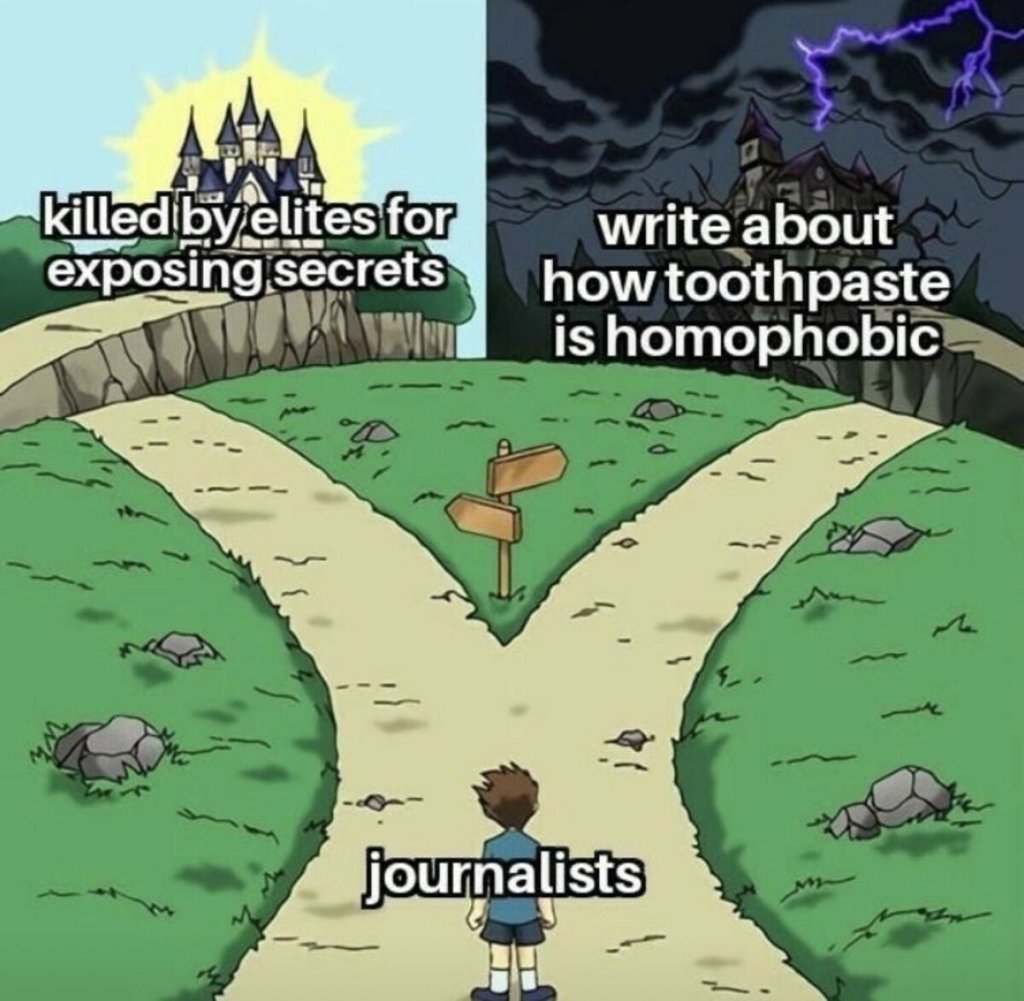
But he’s not alone. We’ve created a culture where wrongthink is policed so aggressively that even successful, powerful people whisper their doubts like they’re confessing crimes.
I was on a hike last year with a very prominent tech VC. He was telling me about his son’s football team—how their practices kept getting disrupted because their usual field on Randall’s Island was now being used to house migrants. He leaned in, almost whispering: “You know, I’m a liberal, but maybe the people complaining about immigration have a point.” Here’s a guy who invests mountains of money into companies that shape the world we live in, and he’s afraid to voice a mild concern about policy in broad daylight. Afraid of his own thoughts.
After I spoke out against vaccine mandates, a coworker told me he totally agreed with my position—but he was angry that I’d said it. When the company didn’t want to take a stand, I told them I would speak as an individual—on my own time, as a private citizen. He was pissed anyway. In fact, he was scolding me about the repercussions to the company. What’s maddening is that this same person had enthusiastically supported the business taking public stands on other, more politically fashionable causes over the years. Apparently, using your corporate voice was noble when it was fashionable. Speaking as a private citizen became dangerous when it wasn’t.
Another person told me they agreed with me but wished they were “more successful like me” so they could afford to speak out. They had “too much to lose.” The preposterousness of this is staggering. Everyone who spoke out during COVID sacrificed—financially, reputationally, socially. I sacrificed plenty myself.
But I’m no victim. Far from it. Since I was a young man, I’ve never measured achievement by finance or status—my benchmark for being a so-called successful person was owning my own time. Ironically, getting myself canceled was actually a springboard to that. For the first time in my life, I felt I’d achieved time ownership. Whatever I’ve achieved came from being raised by loving parents, working hard, and having the spine to follow convictions rationally. Those attributes, coupled with some great fortune, are the reason for whatever success I’ve had—they’re not the reason I can speak now. Maybe this person should do some inward searching about why they’re not more established. Maybe it’s not about status at all. Maybe it’s about integrity.
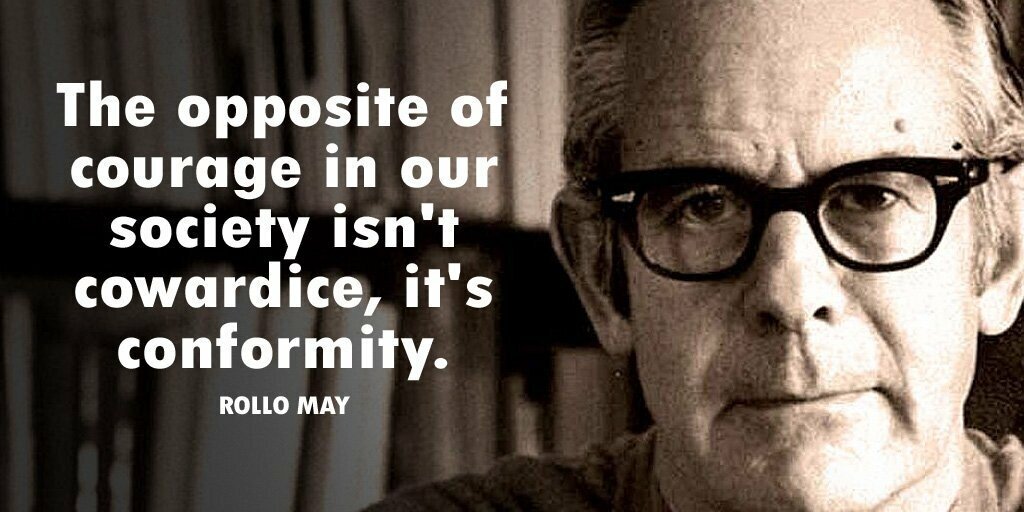
This is the adult world we’ve built—one where courage is so rare that people mistake it for privilege, where speaking your mind is seen as a luxury only the privileged can afford, rather than a fundamental requirement for actually becoming established.
And this is the world we’re handing to our children.



 Hellbound and Down
You must be logged in to post a comment.