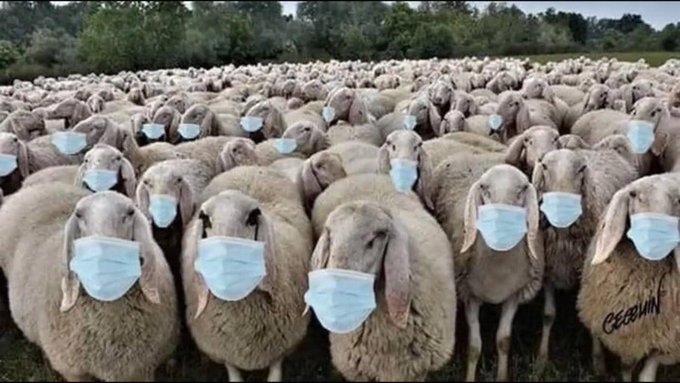
Coronavirus heroes…


On Thursday, a Florida health official told a local news station that a young man who was listed as a COVID-19 victim had no underlying conditions.
The answer surprised reporters, who probed for additional information.
“He died in a motorcycle accident,” Dr. Raul Pino clarified. “You could actually argue that it could have been the COVID-19 that caused him to crash. I don’t know the conclusion of that one.”
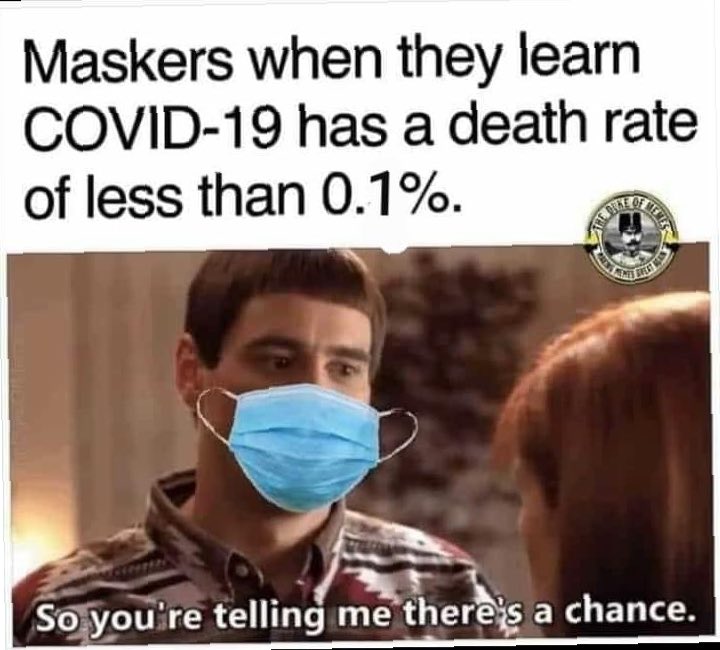
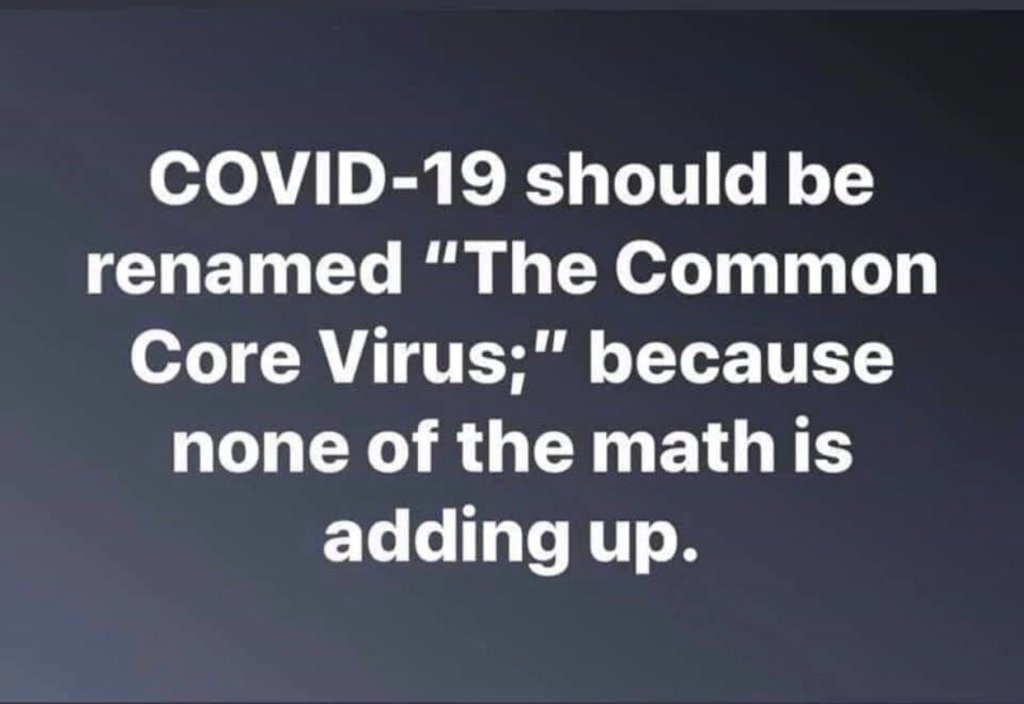
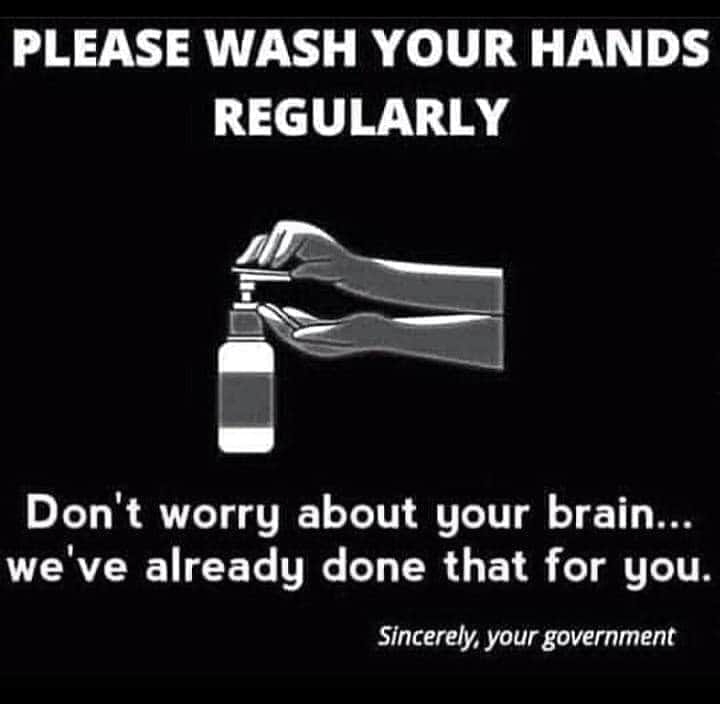
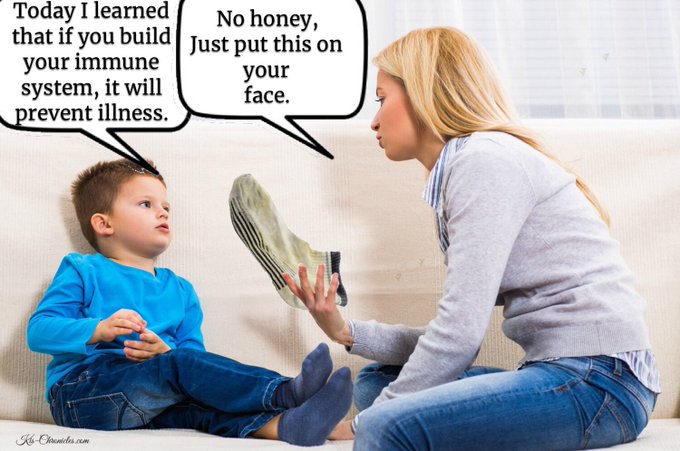
The anecdote is a ridiculous example of a real controversy that has inspired some colorful memes: what should define a COVID-19 death?
While the question is important, such incidents may be just the tip of the proverbial iceberg regarding the unreliability of COVID-19 data.
Florida Gov. Ron DeSantis says he’s concerned about the accuracy of COVID-19 test results.
In a news conference Monday, he said there have been several cases where people received positive results, even though they had never been tested in the first place.
“For that to come back positive, when there was no specimen submitted, is problematic. So I’ve heard it enough to be concerned about it,” said DeSantis.
People have said they submitted their contact information at a COVID-19 testing site, but after seeing how long the line was, they decided not to wait an hour or more to get the test. Nevertheless, a few days later, they got an email or a phone call telling them that they tested positive.

Coronavirus testing has been a hot-button issue since the beginning of the pandemic. First, there weren’t enough coronavirus tests to go around. Now, a new issue has emerged—just how accurate the tests people are getting actually are. According to a July 17 study published in the International Journal of Geriatrics and Rehabilitation, 50 percent of nucleic acid coronavirus tests distributed by the Centers for Disease Control and Prevention (CDC) provided inaccurate results.
The study’s lead author, Sin Hang Lee, MD, director of Milford Molecular Diagnostics Laboratory, found that the testing kits gave a 30 percent false-positive rate and a 20 percent false-negative rate.

The Canadian CDC breaks it down like this … if you’re gonna have sex during the pandemic, it’s a helluva lot safer to “use barriers, like walls (e.g., glory holes), that allow for sexual contact but prevent close face-to-face contact.”
New York City actually recommended walls back in June, but did not outright call them glory holes … sorry, NYC, Canada is holier than thou!
Folks on social media are having a field day tweeting creative ways to use walls and barriers, even suggesting things like “Plexiglas shields like in grocery stores except for glory holes,” holes in sheets, mail slots, doggy doors and donuts.
If glory holes sound a little too raunchy for you, don’t worry … doggy style seems to be kosher too. The BC CDC also recommends choosing sexual positions that limit face-to-face contact.
On Monday, vaccine researchers from Oxford University and the pharmaceutical company AstraZeneca announced results from a “Phase 1/2 trial,” suggesting their product might be able to generate immunity without causing serious harm. Similar, but smaller-scale results, were posted just last week for another candidate vaccine produced by the biotech firm Moderna, in collaboration with the U.S. National Institutes of Health.
As both these groups and others push ahead into the final phase of testing, it’s vital that the public has a clear and balanced understanding of this work—one that cuts through all the marketing and hype. But we’re not off to a good start. The evidence so far suggests that we’re getting blinkered by these groups’ PR, and so seduced by stories of their amazing speed that we’re losing track of everything else. In particular, neither the mainstream media nor the medical press has given much attention to the two vaccines’ potential downsides—in particular, their risk of nasty adverse effects, even if they’re not life-threatening. This sort of puffery doesn’t only help to build a false impression; it may also dry the tinder for the future spread of vaccine fear-mongering.
The parallels are overwhelming. The “state of emergency.” The propaganda. The mass hysteria. The mob mentality. The exaggeration of the actual threat. The police-state atmosphere. The suppression of dissent. The constant repetition of the new official narrative. The exhortative catchphrases and meaningless slogans. The confusion. The chaos. The existential fear. And so on. It is all so very familiar.
I’m referring to the simulated pandemic, of course, but also to the racialized civil unrest and identitarian polarization that GloboCap has fomented throughout the United States, and, to varying degrees, the rest of the empire. I’ve been covering the War on Populism and GloboCap’s “Trump-is-literally-Hitler” propaganda since 2016, so the civil unrest isn’t terribly surprising.
But, I confess, I did not see the fake plague coming.

You must be logged in to post a comment.