
Follow the money…


The House on Friday passed a landmark bill that would remove federal penalties on marijuana and erase cannabis-related criminal records.
The bill passed by a vote of 228-164, with several Republicans on board. While the MORE Act is not expected to come up in the Senate this year, and likely won’t in the next session of Congress either, its passage nevertheless marks a monumental step in marijuana policy.

After months of debate and partisan stalling, the Marijuana Opportunity Reinvestment and Expungement (MORE) Act of 2019 is set for a vote before a full chamber of Congress by the end of this week.
The bipartisan bill sponsored by Vice President-elect Kamala Harris has been touted as the most comprehensive federal cannabis reform legislation ever introduced and comes after over half a century of a failed “war on drugs” that fueled mass incarceration and other collateral damage for poor communities.
Late last week, Majority Leader Steny Hoyer advised the Congress that the MORE Act would be taken up by the House at some point between Wednesday evening and Friday.
In a September statement, Hoyer said that “The MORE Act remains a critical component of House Democrats’ plan for addressing systemic racism and advancing criminal justice reform.”
The bill has also gained the support of both liberals and libertarian-leaning conservatives who see the responsible use of cannabis as a personal right, as well as other Republicans who believe that it should be up to the states to regulate the dispensation of the plant without the interference or control of federal authorities.
New Jersey lawmakers may include a so-called social equity tax in the legislation establishing a legal market for recreational marijuana, according to reports.
Bills in the state Senate and Assembly would give cannabis regulators the authority to impose the “social equity excise fee,” which would help fund programs aimed at reducing racial disparities caused by drug laws.
The influential Legislative Black Caucus has lobbied for programs aimed at helping Black communities, which have been hard-hit by marijuana prohibition. Black residents are likelier to be arrested on marijuana charges than white residents, for example.
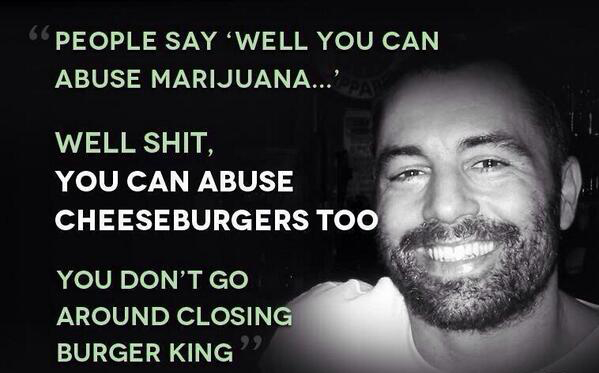
Somebody peacefully getting high without bothering or harming anybody else is listed together with “a disorderly person or small or large group, including protestors, causing a hazardous or dangerous condition right now” and “an emergency situation or condition that might cause danger to life or personal property” as reasons to call 911 instead of the 311 Citizen Service Management System.
According to the Observer, this is “yet another example of how police resources are used—and perhaps misused—in New York City for lack of any better alternatives, as there’s simply no one else to call.”
New York City has long held the unglamorous title as the most inhospitable city in the United States for cannabis users, with possession being most frequent reason why a New Yorker would be arrested.
And while cannabis possession was decriminalized in New York State last August the act of smoking weed is still a crime.
In the historic election cycle that took place earlier this month, multiple states made their voices heard in regard to the prohibition of cannabis and they voted to legalize it. As we reported last week, in many of these states, the ballot measures to legalize cannabis received more votes than both Biden and Trump. South Dakota was one of these states. Now, despite the overwhelming support for legalization by the people, drug war-addicted cops are challenging the popular vote.
Pennington County Sheriff Kevin Thom and South Dakota Highway Patrol Col. Rick Miller are not okay with the citizens of South Dakota having access to the devil’s lettuce, so they have filed a lawsuit challenging the voter referendum that legalized cannabis.
Thom and Miller are nitpicking the vote to legalize by challenging what is little less than a strawman they created. They say the vote to legalize cannabis which required a constitutional amendment to do so — was done so illegally — because semantics.
 Hellbound and Down
You must be logged in to post a comment.