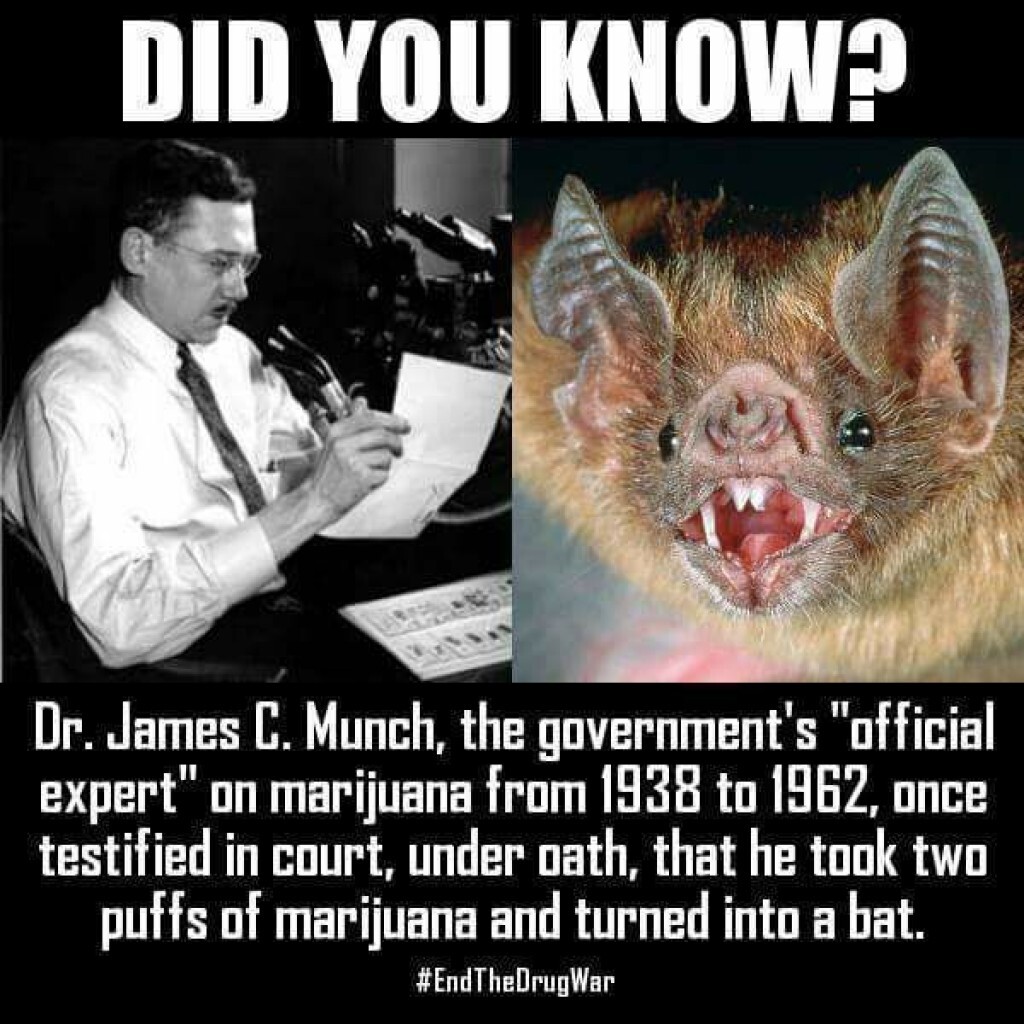
This is bat country…


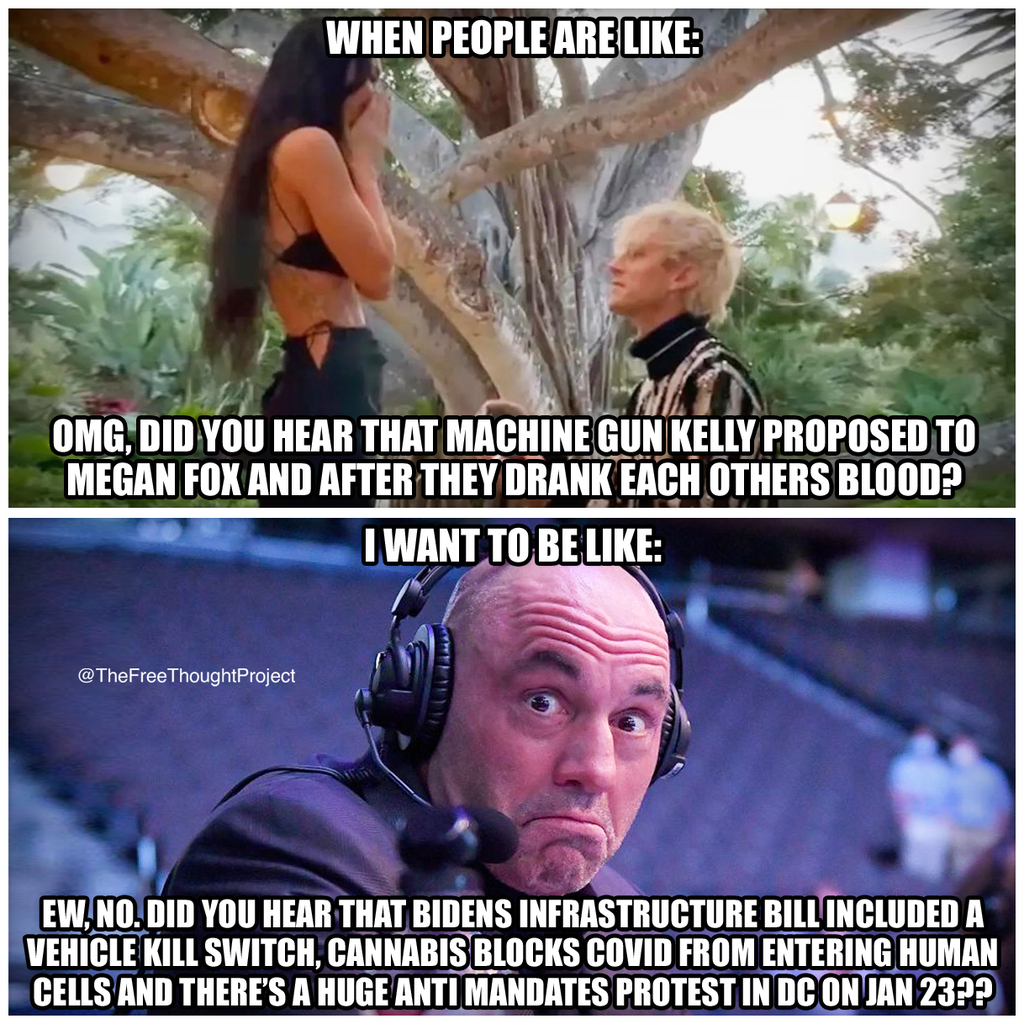
Compounds in cannabis can prevent infection from the virus that causes Covid-19 by blocking its entry into cells, according to a study published this week by researchers affiliated with Oregon State University. A report on the research, “Cannabinoids Block Cellular Entry of SARS-CoV-2 and the Emerging Variants,” was published online on Monday by the Journal of Natural Products.
The researchers found that two cannabinoid acids commonly found in hemp varietals of cannabis, cannabigerolic acid, or CBGA, and cannabidiolic acid, also known as CBDA, can bind to the spike protein of SARS-CoV-2, the virus that causes Covid-19. By binding to the spike protein, the compounds can prevent the virus from entering cells and causing infection, potentially offering new avenues to prevent and treat the disease.
The Drug War is an ineffectual waste of resources. No appreciable decline in illicit drug use has occurred since it began, despite the trillions of dollars spent:
“Prohibition is not only ineffective but counterproductive, at achieving the goals of policymakers both domestically and abroad. Given the insights from economics and the available data… the domestic War on Drugs has contributed to an increase in drug overdoses and fostered and sustained the creation of powerful drug cartels.”
The evidence of the DEA’s, ATF’s, and respective state agencies’ total incompetence, and even corruption, in doing their jobs is legion. The CIA facilitates the importation of cocaine into the US with impunity.
Given its failure, if the Drug War were a private-sector endeavor, investors would have pulled the plug years ago. Instead, since this utterly useless bureaucratic machinery sucks at the teat of the taxpayer, its purveyors are allowed to subsidize their careers fighting windmills.
Rather than acknowledging that their total lack of any meaningful progress in reducing the flow of drugs into the US or deescalating usage rates, these agencies routinely use their abject failure to justify ever-larger budgets. If they just got a few billion more dollars each year, the logic goes, the Drug War could be won in a jiffy.
Total nonsense.
The legal status of cannabis in the U.S. isn’t always clear. At the federal level, it is an illegal Schedule I drug. However, individual states have the ability to determine their own laws around cannabis sales and usage.
But, as Visual Capitalist’s Avery Koop details below, cannabis was not always illegal at the top level. It was only in the last 100 years that cannabis faced a prohibition similar to the alcohol prohibition of the early 1920s.
In this infographic from Tenacious Labs, we explore the fascinating history of cannabis prohibition in the U.S. dating all the way back to the 1900s.
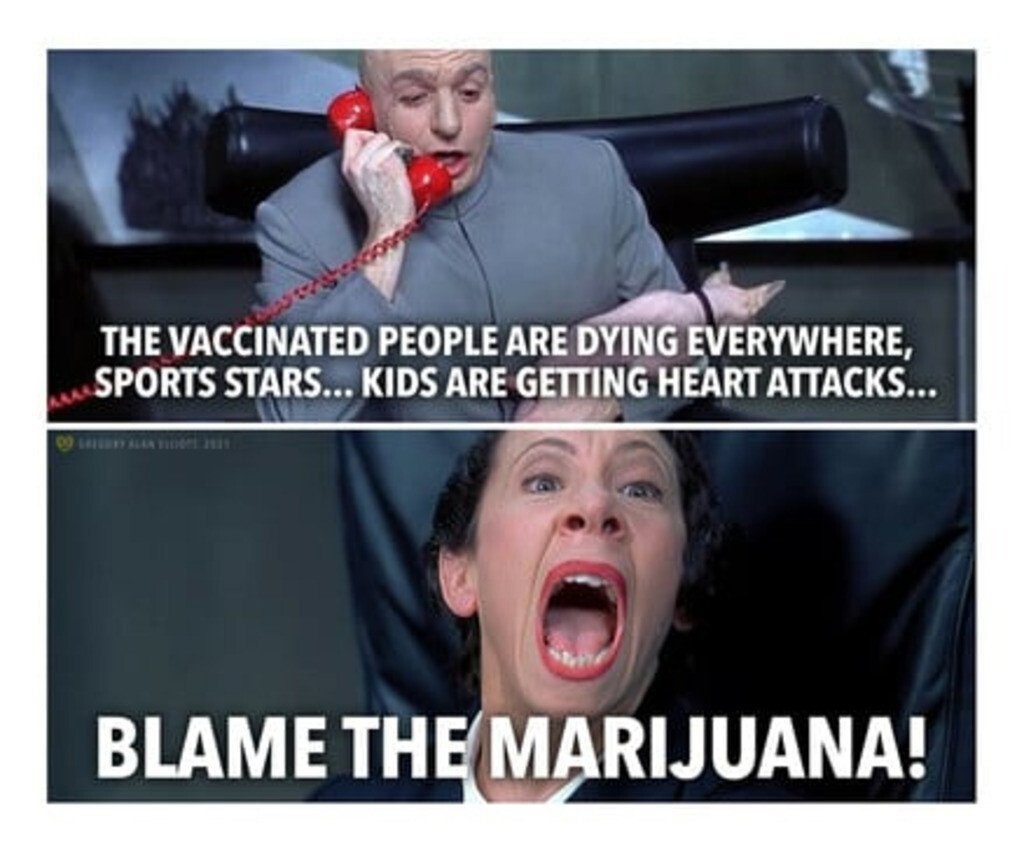
Despite the state spending thousands of dollars a second – ticketing, kidnapping, caging, and killing evil drug users, the rate of lethal drug overdoses in the last 15 years has skyrocketed at near-exponential rates.
According to the most recent data on overdose deaths, despite the states immoral war on drugs, 2020 went down as the deadliest year in history for overdoses.
In fact, according to data from the federal government: More Americans died from drug overdose in a 12-month period than at any other point in history.
Drug overdoses were linked to more than 81,000 people’s deaths between June 2019 and May 2020, according to the Centers for Disease Control and Prevention, jumping 18 percent compared to the previous 12-month period. Such deaths rose 20 percent or more in 25 states and the District of Columbia, the report said.
Across the board, drug use and deaths associated with drug use have increased at alarming rates. No amount of AR-15s, SWAT police, MRAPs, or any other military gear has had a hand in lowering these statistics. In fact, the increase in overdose deaths nearly perfectly coincides with the increase in militarization in the last decade and a half.
One drug, or rather plant, which is still viciously sought after in the state’s immoral war on drugs could be the key to slowing this epidemic. Cannabis.
However, in spite of some form of cannabis being legal in some fashion in well over half the country, the government still violently and with extreme prejudice continues to seek out those who dare possess it.
This violent prohibition continues despite research like the data published in the Journal of Addictive Diseases that shows this plant’s power to mitigate the opioid crisis.
For thousands of years, humans have lit up around the world, enjoying the high that comes from cannabis.
But the controversial politics surrounding the drug has made it difficult for scientists to figure out its genetic origins. Where did cannabis come from and how did it evolve into the potent green that brings us pleasure?
Scientists finally have an answer to that question — and the evolution of modern-day cannabis and how it diverged from its very close relative hemp is even wilder than you might think.
New research published Friday in the journal Science Advances used genetics to trace the ancient birthplace of Cannabis sativa, from which we harvest pot today.
The cultivation of marijuana has much longer roots than we previously understood, according to the study — including evidence that our cultivation of pot may have led to the extinction of pure, wild, ancient strains of cannabis.
Cannabis “is one of the first cultivated crop species,” Luca Fumagalli, a co-author on the study from the University of Lausanne’s Laboratory for Conservation Biology, tells Inverse.
Since Dec. 11, 2020, the Pfizer-BioNTech COVID-19 Vaccine has been available under the Food and Drug Administration’s Emergency Use Authorization in individuals 16 years of age and older, and the authorization was expanded to include those 12 through 15 years of age on May 10, 2021. On August 23, 2021, it was granted full approval by the FDA.
The Pfizer-BioNTech COVID-19 Vaccine now becomes the fastest created, deployed and subsequently approved vaccination in history. Previously, the fastest vaccine to go from development to deployment was the mumps vaccine in the 1960s, which took about four years.
The swift approval of the vaccine illustrates just how fast the government can react if it wants to do so. On the contrary, however, there have been hundreds if not thousands of studies on the benefits of cannabis to safely treat multiple ailments and diseases, spanning the course of centuries, yet the FDA has failed to approve its use for anything.
To be clear, the FDA has approved patentable pharmaceutical synthetic compounds such as dronabinol. The pharmaceutical patented drugs Marinol and Syndros both use dronabinol which is nothing more than a chemical synthetic equivalent to delta-9- tetrahydrocannabinol (THC) — but the plant-based version you can grow in your own home remains off the list.
 Hellbound and Down
You must be logged in to post a comment.