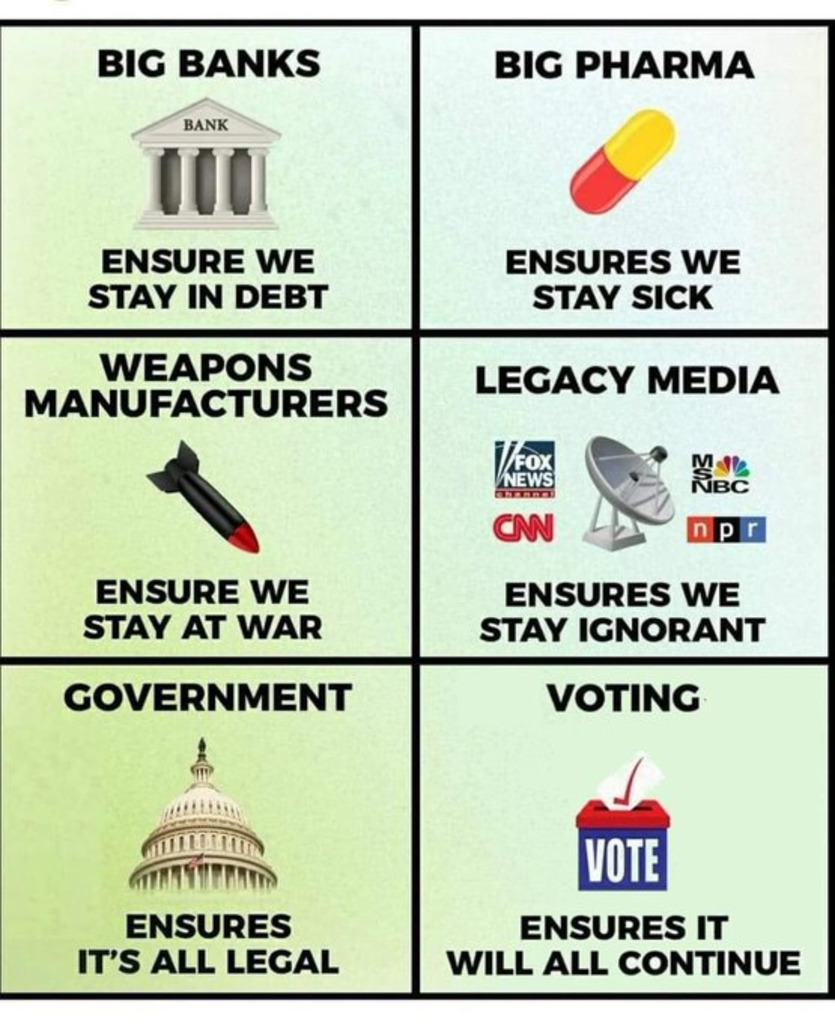
Have millions been taking antidepressants with harmful side-effects for decades – when there’s no scientific evidence they do what they claim? Some experts have suspected it for years. Now patients have been left reeling by a groundbreaking study

Like millions of patients who seek help from their GPs for depression, Emma Ward was repeatedly told she was suffering from ‘an imbalance of chemicals in the brain’.

If Emma wanted to get better, her doctors said the 26-year-old should keep taking the antidepressants she had been prescribed since she was 15 — even though the drugs did not seem to improve her mood, and left her feeling perpetually numb emotionally.

Now, shocking new research published yesterday shows that the theory justifying the millions of prescriptions for antidepressants handed out every month to patients such as Emma, is simply not true.

The research confirms what some medical professionals have increasingly come to suspect. That the ‘chemical imbalance’ theory — that depression is due to a lack of the brain chemical serotonin — is nothing more than a myth.

This myth was created more than 35 years ago by pharmaceutical companies to justify their products, and has been perpetuated ever since by the training and practice of doctors around the world. In the most comprehensive review of the research on links between depression and serotonin ever carried out, researchers from the UK, Italy and Switzerland looked at 17 major international reviews that had documented the findings from more than 260 studies, involving 300,000 patients.

Keep reading

Bombshell Oxford Study: Less than 6% of “Approved” Medical Drugs Are Backed by “High-Quality Evidence” to Support Their Benefits – “Harms” are Significantly Underreported Across the Board

According to a newly released study by the University of Oxford, a jaw-dropping 94% of recently approved medications are not supported by high-quality evidence that demonstrates their benefits. What’s more, just like with the experimental Covid-19 ‘vaccines,’ side effects and adverse reactions to these drugs are being severely underreported across the board.

When looking at medical drugs that have been approved since 2008 under the Cochrane reviews – a “leading” international journal and database that is endorsed by over 100 organizations worldwide, including the US Food and Drug Administration (FDA) -researchers determined that just 87 of the 1,567 medications (6%) had clinical data that met the “high-quality” standard.

From the Oxford study:

“Of 1567 eligible interventions, 87 (5.6%) had high quality evidence on first-listed primary outcomes, positive, statistically significant results and were rated by review authors as beneficial.”

Unbelievably, the majority of these drugs could not even pass the ‘moderate-quality’ review, with over 50% failing to meet the reduced threshold. And yet, consumers have access to these drugs, which are causing unknown and underreported side effects – something that should amount to medical malpractice at the very least. That is – if we lived in a sane, well-functioning society.

One of the study’s authors, Dr. Jeremy Howick, certainly thinks so. Writing about the findings, Dr. Howick deemed the issue worrisome and stressed that, with this happening, ‘informed choice’ about medical treatments is essentially impossible.

Keep reading

Pfizer Documents reveal at least 800 people never finished the COVID Vaccine Trial due to Death, Injury or Withdrawn Consent

The US Food and Drug Administration (FDA) attempted to delay the release of Pfizer’s COVID-19 vaccine safety data for 75 years despite approving the injection after only 108 days of safety review on December 11th, 2020.

But in early January 2022, Federal Judge Mark Pittman ordered them to release 55,000 pages per month. They released 12,000 pages by the end of January.

Since then, PHMPT has posted all of the documents on its website. The latest drop happened on 1st June 2022.

One of the documents contained in the latest data dump is ‘125742_S1_M5_5351_c4591001 fa interim discontinued patients.pdf’.

The document provides a 112-page list of subjects who withdrew from the phase 1 clinical trial of the Pfizer Covid-19 injection, and provides a vague description as to why.

The first 14 pages list 102 subjects who withdrew from the study. This equates to an average of 7.2 subjects per page. So based on a further 93 pages detailing withdrawn subjects this equates to approximately 780 people who withdrew from the first phase of the clinical trial alone. The actual number could be slightly more or slightly less.

Many of the subjects mysteriously revoked consent to continue in the trial due to reasons such as re-reading the consent form and deciding it is not what they had originally agreed to.

Keep reading