
Don’t let them twist you up…

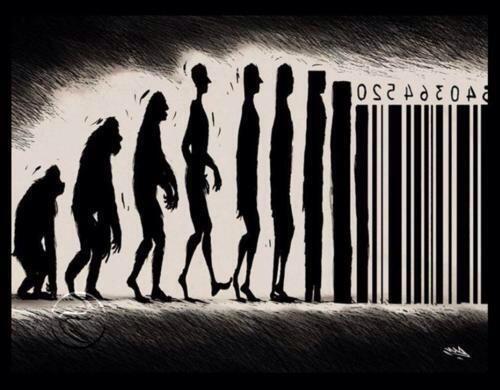



2021 is a big moment for CCTV: the world’s one-billionth surveillance camera is likely to be installed by the end of the year. A single CCTV camera per every eight humans on Earth.
But of course, it doesn’t quite work like that. Each camera doesn’t follow a set group of people around, creating a neatly edited portrait. The cameras are (mostly) fixed in position, and some countries have many more cameras than others.
In China and the US, for example, there is already one camera per 4.1 and 4.6 people, respectively – way ahead of the curve. But what if it is more pertinent to think of how cameras are distributed spatially? After all, more cameras across a city with a smaller footprint makes for greater coverage of everybody’s comings and goings.
The increasing levels of CCTV surveillance could have direct implication to people’s privacy, so Surfshark wanted to know which cities have the highest number of CCTV cameras per square kilometer. We gathered the numbers, crunched them, and produced a series of new visualizations to illustrate just how pervasive surveillance cameras are in the 130 most populous international cities.



A new personality construct has been defined that describes people who persistently see themselves as victims within interpersonal conflicts. The research was published in Personality and Individual Differences.
Study authors Rahav Gabay and team describe how the social world is satiated with interpersonal transgressions that are often unpleasant and seemingly unwarranted, such as being interrupted when speaking. While some people can easily brush off these moments of hurt, others tend to ruminate over them and persistently paint themselves as a victim. The authors present this feeling of being the victim as a novel personality construct that influences how people make sense of the world around them.
The researchers call it the Tendency for Interpersonal Victimhood (TIV), which they define as “an ongoing feeling that the self is a victim, which is generalized across many kinds of relationships.”
Through a series of eight studies among Israeli adults, Gabay and associates sought to test the validity of the construct of TIV and explore the behavioral, cognitive, and emotional consequences of such a personality trait.
An initial three studies established the TIV as a consistent and stable trait that involves four dimensions: moral elitism, a lack of empathy, the need for recognition, and rumination. A follow-up study further found that this tendency for victimhood is linked to anxious attachment — an attachment style characterized by feeling insecure in one’s relationships — suggesting that the personality trait may be rooted in early relationships with caregivers.
 Hellbound and Down
You must be logged in to post a comment.